

Most cannabis buyers focus on THC percentage and strain category when choosing a product — and while those are useful starting points, they tell an incomplete story. The cannabis plant contains over 100 distinct cannabinoids, each interacting with your body’s endocannabinoid system in ways that collectively shape the full experience of any product you consume.
Understanding the key cannabinoids — what they do, how they differ, and how they work together — gives you a significantly more useful basis for choosing the right product than THC percentage alone can provide.
The Endocannabinoid System — The Foundation
Before covering individual cannabinoids, the context that makes them relevant is worth establishing briefly.
Your body contains a network of receptors distributed throughout the brain, nervous system, immune system, and peripheral tissues called the endocannabinoid system. This system regulates a remarkably wide range of physiological processes — mood, pain perception, sleep, appetite, inflammation, and stress response among them.
The two primary receptor types are CB1 receptors — concentrated in the brain and central nervous system — and CB2 receptors — concentrated in the immune system and peripheral tissues. Different cannabinoids interact with these receptors in different ways, producing different effects. Some bind directly and strongly to specific receptors. Others work more indirectly — modulating receptor activity or interacting with entirely different biological systems. The specific combination of cannabinoids and terpenes in any given product determines the collective pharmacological effect through what researchers call the entourage effect.
THC — Tetrahydrocannabinol
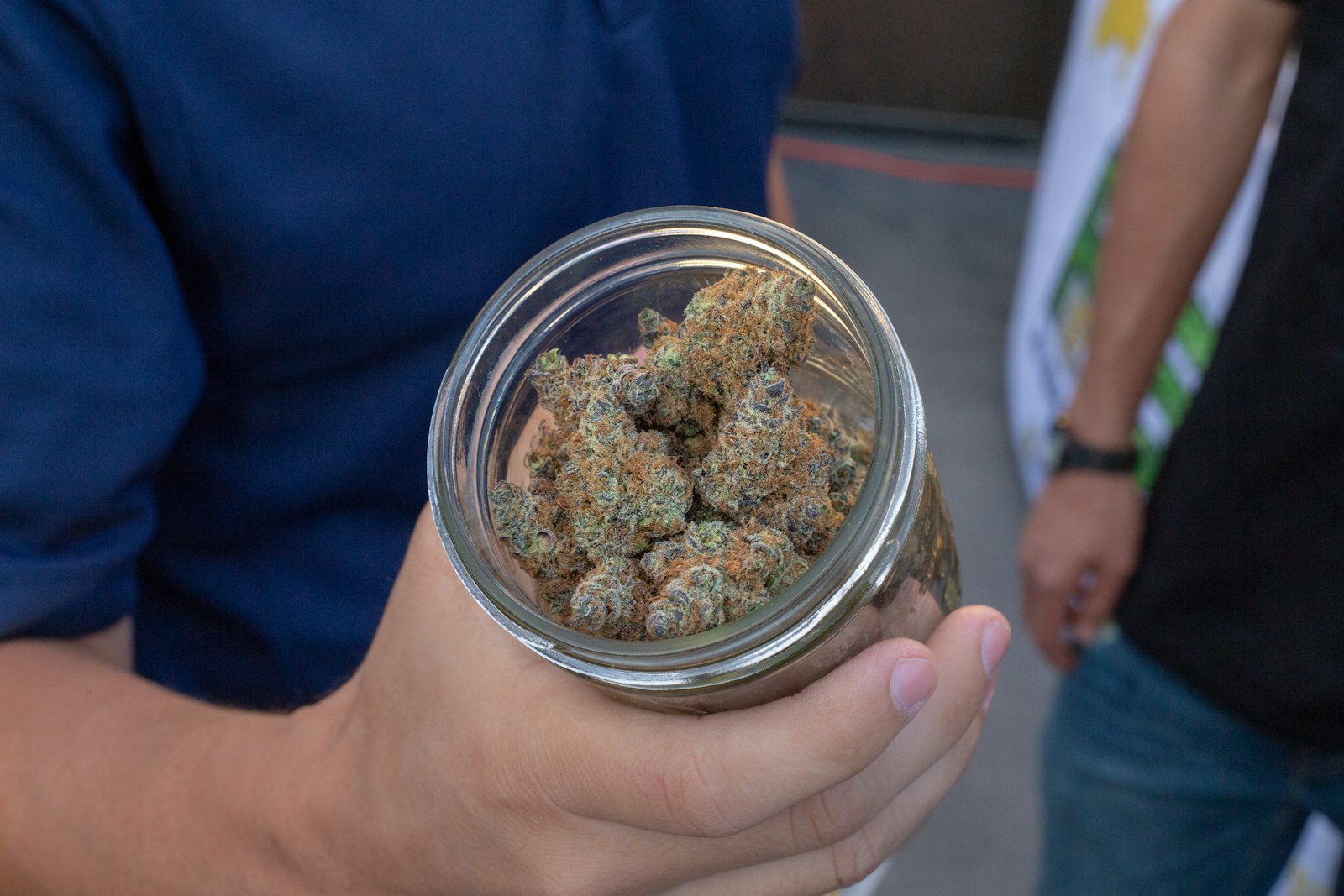
THC is the primary psychoactive compound in cannabis — the cannabinoid responsible for the high that most people associate with recreational cannabis use. It binds directly and powerfully to CB1 receptors throughout the brain, producing its distinctive effects: euphoria, altered perception, physical relaxation, increased appetite, and the range of sensory and cognitive changes that characterise a cannabis experience.
THC’s potency and effect character vary between strains and products based on both the concentration of THC and the terpene profile of the specific product. A 25% THC indica-dominant strain produces a very different experience from a 25% THC sativa-dominant strain because the terpenes that accompany the THC shape how the receptor activation plays out — which is why reading the full product description rather than just the percentage is consistently useful.
The relationship between THC and anxiety is dose-dependent and worth understanding clearly. At low doses, THC typically produces anxiety reduction alongside its other effects. At high doses — or in individuals with particular sensitivity — it can trigger or amplify anxiety. This is one reason that higher-THC products are not automatically better for every application.
Browse our full range of THC products — flower, concentrates, edibles, and vapes — at The Purple Leaf.
CBD — Cannabidiol
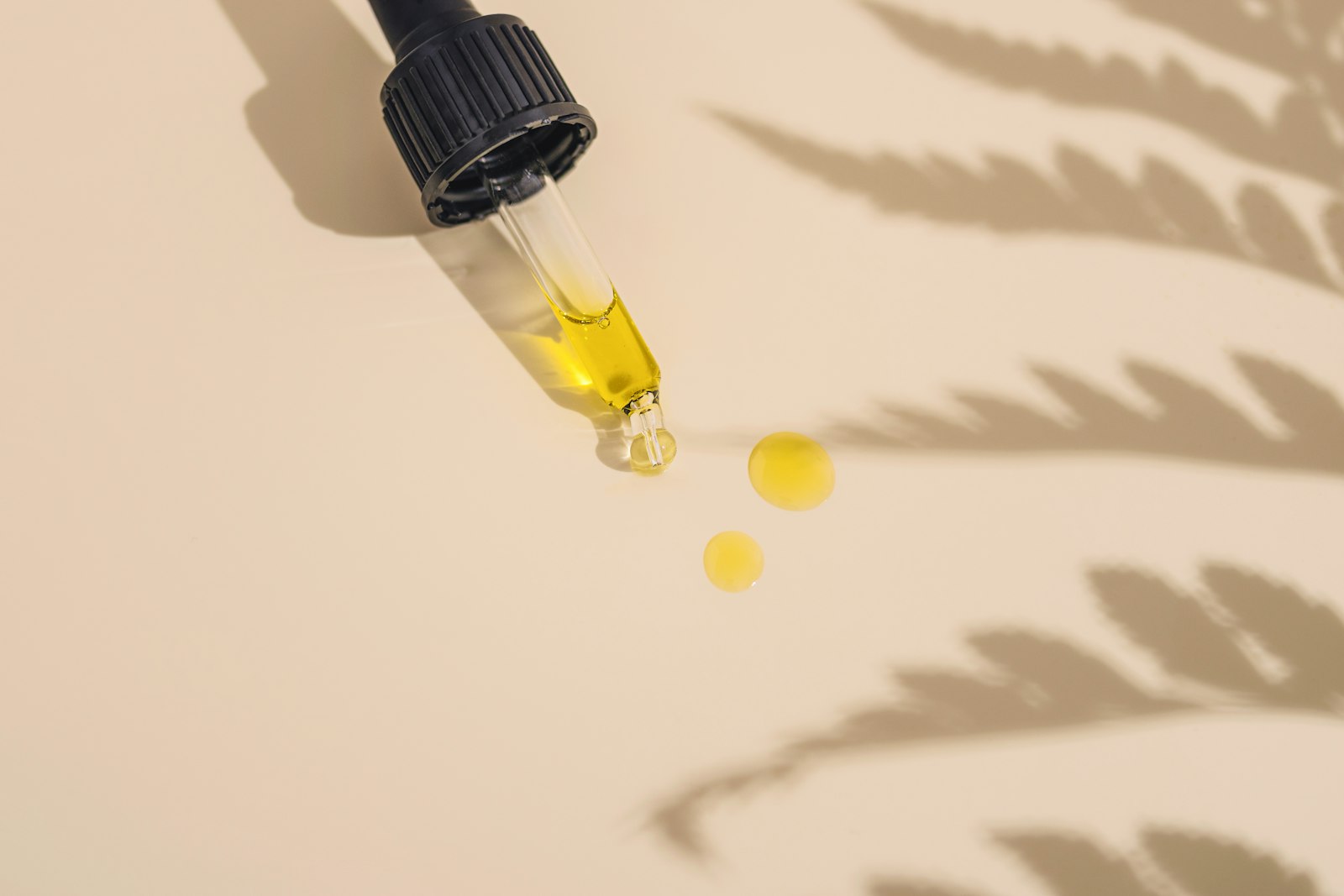
CBD is the most widely used cannabis compound in the legal Canadian market — and the one with the broadest mainstream acceptance, appearing in oils, capsules, topicals, edibles, and beverages marketed to wellness-focused consumers who want the potential benefits of cannabis without any psychoactive effect.
CBD does not produce a high at any dose. This is not because it’s a weaker version of THC — it’s because it interacts with the endocannabinoid system through a fundamentally different mechanism. Rather than binding directly and powerfully to CB1 receptors the way THC does, CBD modulates receptor sensitivity more indirectly, interacts with serotonin receptors, influences adenosine signalling, and affects numerous other biological pathways in ways that produce more subtle, diffuse effects.
The clinical evidence base for CBD is the strongest of any cannabinoid beyond THC. Studies consistently support its effectiveness for anxiety reduction, anti-inflammatory applications, pain management, and sleep improvement. It is the only cannabinoid currently approved as a prescription pharmaceutical in both Canada and the United States — Epidiolex, approved for specific rare seizure disorders — reflecting the most rigorous level of regulatory confidence in its therapeutic properties.
CBD also plays an important functional role when combined with THC. It appears to moderate the intensity of THC’s psychoactive effects by reducing THC’s binding efficiency at CB1 receptors, producing a more moderated and manageable experience than pure THC at equivalent doses. This is why balanced THC/CBD products are consistently recommended as the gentlest introduction to psychoactive cannabis for new users.
Browse our CBD products — including oils, capsules, and topicals — alongside our edibles for balanced options at The Purple Leaf.

CBG — Cannabigerol
CBG occupies a unique and increasingly interesting position in cannabis pharmacology. Technically speaking, it is the precursor cannabinoid from which THC, CBD, and most other cannabinoids are biosynthesised — cannabis plants produce cannabigerolic acid (CBGA) early in their development, which enzymes then convert into the various cannabinoids as the plant matures. By the time most cannabis flower is harvested, the majority of the original CBG has been converted into other compounds, leaving only trace amounts of CBG in the final product.
This scarcity historically limited CBG research and commercial development — but dedicated high-CBG cultivars have been developed specifically to preserve CBG rather than converting it, and CBG-focused products are increasingly available in the legal Canadian market.
The emerging research on CBG is promising across several applications. Early studies suggest anti-inflammatory properties, antibacterial activity, potential neuroprotective effects, and positive interaction with the same serotonin receptor pathways that CBD engages. Some users specifically seek CBG products for mood support and mental clarity, reporting a focused, balanced quality to the CBG experience that distinguishes it from both the psychoactivity of THC and the more diffuse calm of CBD.
CBG is non-psychoactive — it does not produce a high — and is generally considered to have a good safety profile comparable to CBD. As research continues to develop and high-CBG cultivars become more widely available through licensed producers, it is likely to become a more prominent part of the cannabis wellness conversation.
CBN — Cannabinol
CBN is the cannabinoid most associated with the sedating effects of aged cannabis — and understanding how it forms explains why. CBN is not directly produced by the cannabis plant in significant quantities. Instead, it develops as a degradation product of THC: when THC is exposed to oxygen and light over time, it gradually oxidises and converts into CBN. This is why cannabis that has been improperly stored for extended periods often produces a heavier, more sedating effect than fresh product — the THC has partially converted to CBN.
The sedating reputation of CBN is well-established in cannabis culture and has driven its inclusion in an increasing range of nighttime wellness products — gummies, capsules, and vape cartridges specifically marketed for sleep support. The clinical evidence for CBN as a standalone sedative is still developing and somewhat less robust than its popular reputation might suggest. However, CBN appears to work synergistically with other cannabinoids — and specifically with THC — to produce enhanced sedation through the entourage effect, which may explain why the sleep association has proven durable in user experience even as the isolated CBN research catches up.
From a product selection standpoint: CBN-containing products — particularly those combining CBN with low-dose indica THC and CBD — are among the most practical cannabis sleep formulations available in the legal market. Browse our edibles menu and capsules section at The Purple Leaf for available sleep-focused options.
THCV — Tetrahydrocannabivarin
THCV is structurally similar to THC — sharing the same basic molecular framework — but with distinct pharmacological properties that produce a markedly different experience. It interacts with both CB1 and CB2 receptors, but its specific binding characteristics produce effects that diverge from THC in interesting ways.
At low doses, THCV appears to actually antagonise CB1 receptors rather than activate them — meaning it may reduce rather than increase the intensity of THC effects when the two are present together. At higher doses, it shifts to producing its own agonist effects at CB1, contributing to the psychoactive profile of the product.
The most frequently cited THCV characteristic in both research and user reporting is appetite suppression — a notable contrast to THC’s well-documented appetite-stimulating effect. This has earned THCV informal nicknames related to appetite control in cannabis communities. Research into its metabolic applications is ongoing.
THCV also appears to produce a more energetic, clear-headed effect than THC — less sedating, less impairing of cognitive function, and associated with a faster onset and shorter duration than comparable THC doses. It is naturally present in higher concentrations in certain African landrace cannabis genetics, which have historically been noted for their distinctive uplifting and energetic character.
THCV remains a minor cannabinoid in most commercial cannabis products — present in small amounts rather than as a primary cannabinoid — but dedicated THCV products are increasingly available as producer interest in minor cannabinoids grows.
CBC — Cannabichromene
CBC is one of the earliest-discovered cannabinoids — identified over five decades ago — and one of the most consistently under-discussed despite being present in meaningful quantities in many cannabis strains. Like CBD and CBG, it is non-psychoactive and does not produce a high.
CBC’s most interesting characteristic from a pharmacological standpoint is how it interacts with the endocannabinoid system. Unlike THC and CBD, CBC’s primary activity is not at CB1 or CB2 receptors — it instead engages with TRP channels (transient receptor potential channels) involved in pain and inflammation signalling, and with TRPA1 receptors specifically associated with pain response. This distinct mechanism of action suggests that CBC’s anti-inflammatory and analgesic contributions are genuinely additive to those of CBD and THC rather than simply duplicating them — a meaningful point for users managing pain conditions.
Research also suggests that CBC may play a role in neurogenesis — the formation of new brain cells — in preclinical studies, which has attracted attention from researchers interested in cannabis’s neuroprotective potential. Like most minor cannabinoid research, these findings are promising but early.
In practical terms, CBC contributes to the entourage effect of full-spectrum cannabis products — working synergistically with THC, CBD, and other cannabinoids to produce a richer, more complete pharmacological profile than any single cannabinoid in isolation. This is one of the primary arguments for choosing full-spectrum or whole-plant cannabis products over highly isolated or distillate-only options for wellness applications.

The Entourage Effect — Why All of This Matters Together
Understanding individual cannabinoids is valuable — but the most practically important concept in cannabis pharmacology is how they work together.
The entourage effect describes the synergistic interaction between the full range of cannabinoids, terpenes, and other plant compounds in cannabis. The collective effect of consuming a full-spectrum cannabis product — one that contains THC, CBD, CBG, CBN, THCV, CBC, terpenes, and other minor constituents in their natural proportions — is consistently greater and more nuanced than any single isolated cannabinoid can produce alone.
This is why whole-plant products often outperform isolated compounds for complex wellness applications. It’s also why choosing cannabis based purely on THC percentage misses a significant portion of the relevant information — the terpene profile, the minor cannabinoid content, and the overall product formulation collectively determine the experience as much as the headline number does.
For buyers at The Purple Leaf, this means that reading product descriptions beyond the THC percentage — looking at the terpene profile, the strain classification, and where available the full cannabinoid breakdown — consistently produces better purchasing decisions than percentage alone.
How to Use This Information When Choosing Products
For recreational use and maximum THC effect: Look for products with high THC and a terpene profile suited to your intended experience — indica-dominant for relaxation, sativa-dominant for energy and creativity. Browse our flower menu and concentrates.
For wellness without psychoactive effect: CBD-dominant products with additional minor cannabinoids offer the most complete wellness profile without impairment. Browse our CBD products and capsules.
For sleep support: Look for products combining low-dose indica THC with CBD and CBN. Browse our edibles menu for available nighttime formulations.
For anxiety management with some psychoactive effect: Balanced THC/CBD products at moderate doses. Browse our vapes and edibles for balanced options.
For pain management: Full-spectrum products that preserve a broad cannabinoid and terpene profile deliver the most complete anti-inflammatory and analgesic effect. Look for products with CBD, CBC, and caryophyllene in the terpene profile alongside THC.
Frequently Asked Questions
What are cannabinoids?
Cannabinoids are naturally occurring chemical compounds in the cannabis plant that interact with the body’s endocannabinoid system. Over 100 cannabinoids have been identified, with THC and CBD being the most widely studied and commercially significant. Each cannabinoid interacts with the body through distinct mechanisms producing different effects.
What is the difference between THC and CBD?
THC is psychoactive — it binds directly to CB1 receptors in the brain and produces the classic cannabis high. CBD is non-psychoactive — it interacts with the endocannabinoid system through a different mechanism and produces no high at any dose. Browse our CBD products and flower for options across both cannabinoid profiles.
What is CBG and is it worth trying?
CBG is a non-psychoactive cannabinoid and the biosynthetic precursor to THC and CBD. Emerging research suggests mood support, anti-inflammatory properties, and neuroprotective potential. High-CBG products are increasingly available through licensed retailers.
What is the entourage effect?
The entourage effect describes the synergistic interaction between cannabinoids, terpenes, and other cannabis plant compounds — where the combined effect of all constituents working together exceeds what any single isolated compound produces alone. It’s why full-spectrum products often outperform isolated cannabinoids for complex wellness applications.
Which cannabinoid is best for sleep?
A combination of low-dose indica THC, CBD, and CBN produces the most consistently effective cannabis sleep profile — THC for sleep onset, CBD for anxiety moderation, and CBN for enhanced sedation through the entourage effect. Browse our edibles and capsules for available nighttime options.
Where can I buy full-spectrum cannabis products in Canada?
The Purple Leaf carries a full range of cannabis products across every cannabinoid profile — flower, concentrates, edibles, vapes, and CBD products — available for local London, Ontario delivery and Canada Post shipping Canada-wide. Order at thepurple-leaf.com or call 519-777-9498 Monday to Friday, 9 AM to 8 PM EST.
Shop Cannabis Products at The Purple Leaf
Understanding cannabinoids helps you shop smarter — and The Purple Leaf has the full range to match whatever profile you’re looking for.
Please note: This article is general information, not medical advice. Cannabis affects everyone differently. Talk to a doctor or pharmacist before using cannabis for any health reason, especially if you take medication. You must be 19 or older to buy cannabis in Ontario.
Buy weed online in Canada · Same-day weed delivery in London, Ontario on weekday orders placed before noon (12:00 PM EST).