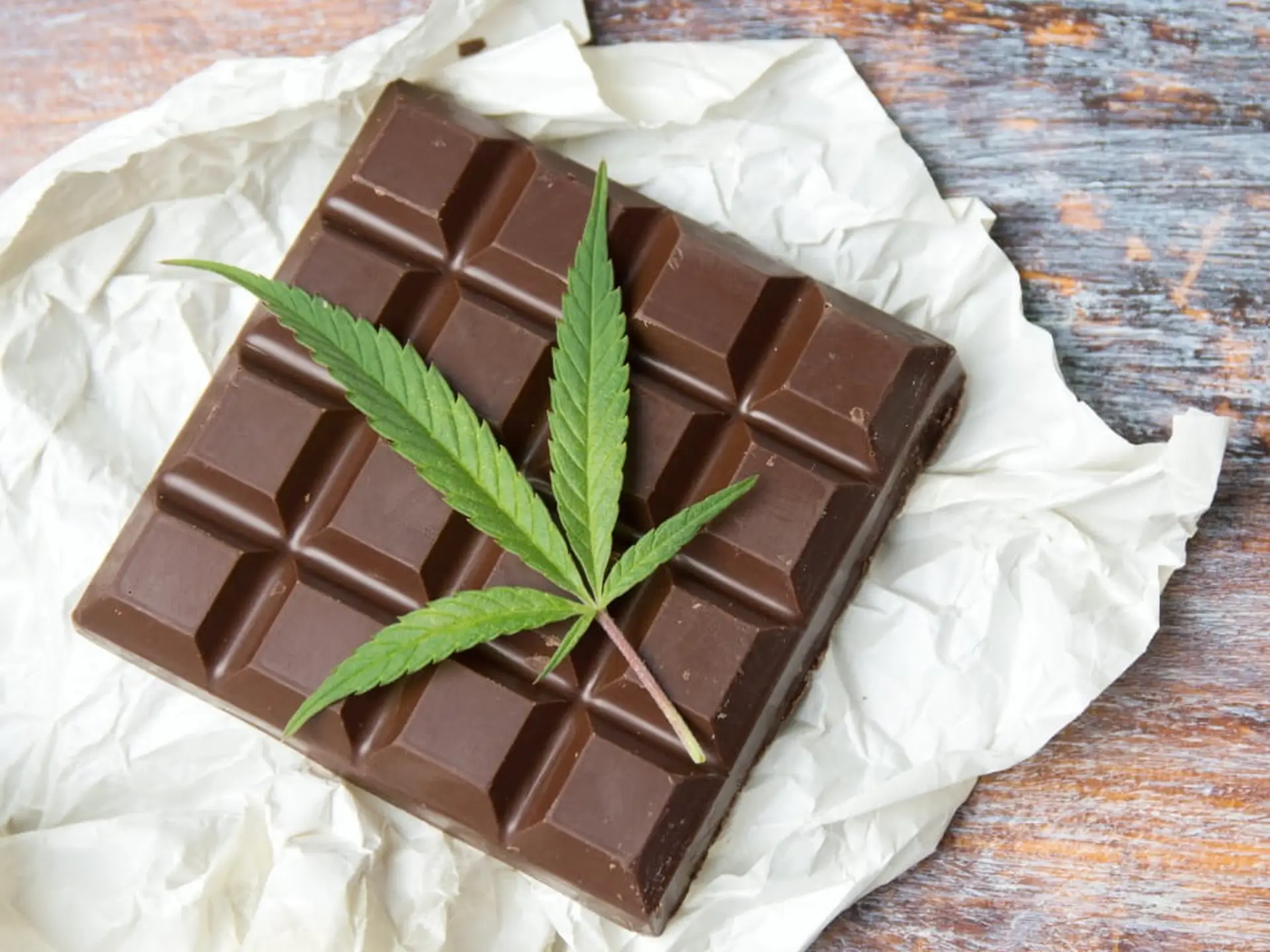
Cannabis chocolate has earned its spot near the top of every edibles conversation for good reason. It’s familiar, easy to portion, and straightforward to understand. For anyone exploring edibles for the first time, a clearly labelled cannabis chocolate is one of the most approachable entry points in Canada’s legal cannabis market. That said, edibles come with their own learning curve, and the most important part of that curve is understanding dosage. In the legal market, the number you’ll encounter most often is 10mg THC. Here’s what that means and how to read a label before you buy.
Why 10mg Shows Up Everywhere
Canada’s legal cannabis market regulates edibles with strict packaging and dosage requirements, and cannabis chocolate is no exception. Under the Cannabis Act, edible cannabis products are capped at 10mg of THC per package. That single rule shapes the entire chocolate category and is the reason 10mg shows up on so many labels across so many brands.
The result of that standardization is a more consistent, comparable shopping experience. When you pick up a cannabis chocolate from a licensed retailer like The Purple Leaf, the label clearly shows you the cannabinoid content before you open the wrapper. There are no surprises, and no guesswork. That transparency is one of the biggest practical advantages of Canada’s regulated cannabis market, and it’s a big part of why chocolate has become such a popular edible format. Whether you’re browsing milk chocolate bars, dark chocolate squares, or soft chocolate chews, legal edibles make it easy to compare options side by side on the shelf.
Why Edibles Feel Different From Other Formats
Understanding why the 10mg cap exists starts with understanding how edibles work in your body. Cannabis chocolate doesn’t enter the bloodstream the same way smoked or vaped flower does. After you eat it, the cannabinoids travel through your digestive system and are processed by the liver before they reach circulation. That pathway takes time, and it changes the nature of what you feel.
Onset from an edible can range anywhere from 30 minutes to two hours or more depending on your metabolism, body composition, and whether you’ve eaten recently. The effects also tend to last significantly longer than inhaled cannabis, often four to six hours or more. And because the liver converts THC into a compound called 11-hydroxy-THC during digestion, many people find the experience from an edible feels more pronounced than an equivalent inhaled dose, even at the same milligram count.
All of that is why patience is fundamental to the edible experience. Eating a piece of cannabis chocolate and then eating more because you don’t feel anything after 45 minutes is the most common edibles mistake, and it’s one the 10mg cap helps guard against by keeping serving sizes manageable. Start low, give it time, and go from there.
Reading THC and CBD on a Chocolate Label
Cannabis chocolates in Canada come in a range of THC and CBD combinations, and knowing how to read those numbers is the most useful skill you can develop as an edible consumer.
A label showing a 1:1 ratio means the THC and CBD milligram amounts are equal across the package. This type of product tends to produce a more balanced, settled experience for many people compared to a THC-forward option at the same total THC count. That’s partly because CBD can moderate some of the more intense effects associated with higher THC concentrations.
Other chocolates are THC-forward, containing a small amount of CBD or none at all, which is common in products aimed at more experienced consumers. Some products also lean heavily on CBD with minimal THC, which is a good starting point for anyone who wants to explore the format without a strong psychoactive effect.
Reading those two numbers before you buy gives you far more useful information than the flavour or branding on the front of the package. The Purple Leaf carries a range of cannabis edibles clearly labelled with cannabinoid content to make that comparison easy.

Full Spectrum vs. Isolate: What It Means on a Label
Two more terms you’ll regularly encounter on cannabis chocolate packaging are full spectrum and isolate, and the difference between them is worth understanding.
Full-spectrum extracts contain a broader mix of cannabinoids and terpenes from the cannabis plant beyond just THC. This includes minor cannabinoids like CBG and CBN, as well as aromatic terpene compounds that contribute to the overall character of the experience. Many people find full-spectrum products feel more rounded and nuanced than isolate-based ones, partly due to what’s known as the entourage effect — the idea that cannabinoids and terpenes work together in ways that produce a more complete experience than any single compound alone.
Isolate-based chocolates use a more refined extract, typically focused on THC alone with minimal other plant compounds. These tend to have a cleaner, more neutral flavour profile and a more predictable, consistent effect, which some consumers prefer.
Neither option is better in an absolute sense. The right choice comes down to what kind of experience you’re looking for and which products catch your attention on the shelf.
Indica, Sativa, and Hybrid Labels on Chocolates
Just like dried flower, cannabis chocolates are often labelled as indica, sativa, or hybrid, and those terms reflect the cannabis genetics used in the extract.
Indica-labelled chocolates are generally associated with a more relaxing, body-forward experience and are a popular choice for evenings or wind-down sessions. Sativa-labelled chocolates tend to carry more uplifting, mentally engaging associations. Hybrid chocolates, which are the most common category across Canada’s legal edibles market, sit somewhere in between and vary widely depending on the specific strain genetics and terpene profile of the extract used.
It’s worth keeping in mind that these labels are a starting point rather than a guarantee. The cannabinoid ratio, the extract type, and your individual response all shape the experience just as much as the strain classification. Treat the indica, sativa, or hybrid label as one piece of a broader picture.
How to Read a Cannabis Chocolate Label
Canadian cannabis packaging is designed to keep key information standardized and easy to find. Here are the numbers and terms worth checking before you buy.
THC (mg) tells you the total THC content in the package. This is your most important reference point for dosage.
CBD (mg) tells you the total CBD content. Combined with the THC number, this gives you the cannabinoid ratio of the product.
Extract type indicates whether the chocolate uses a full-spectrum or isolate-based extract. This affects both flavour and the character of the experience.
Strain type is listed as indica, sativa, or hybrid and describes the cannabis genetics behind the extract.
Packaged-on and best-before dates confirm freshness, which matters more than most people expect for a quality edible experience.
Taking 30 seconds to read those five things before checkout makes navigating the edibles shelf significantly easier, especially when you’re comparing multiple options side by side. The team at The Purple Leaf is always happy to help you work through those details in store.
What “Start Low, Go Slow” Actually Means
Start low and go slow has become the defining phrase of responsible edible consumption, and with cannabis chocolate, it’s genuinely practical advice rather than just a disclaimer.
Starting low means choosing a smaller portion of your chocolate and giving your body a full window of time before deciding whether to have more. For most people new to edibles, that means beginning with 2.5mg to 5mg and waiting at least 90 minutes before reassessing. Experienced cannabis consumers who are comfortable with the edible format may start closer to 10mg, but even then, the same patience principle applies.
Canada’s 10mg-per-package cap makes that starting-low approach easy to execute because the total serving is modest by design. The regulated, clearly labelled nature of legal cannabis products from a licensed retailer like The Purple Leaf means you always know exactly what you’re working with before you take a bite.
The Bottom Line on Cannabis Chocolate
Cannabis chocolate remains one of the most popular and consistently approachable edible formats in Canada’s legal cannabis market. It’s convenient, clearly labelled, and available across a wide range of cannabinoid ratios, extract types, and flavour profiles. Once you know how to read the label and understand the timing involved with edibles, shopping for cannabis chocolate becomes as easy as any other part of your routine.
Visit The Purple Leaf to explore our current edibles selection and find the right cannabis chocolate for your experience level and preferences.