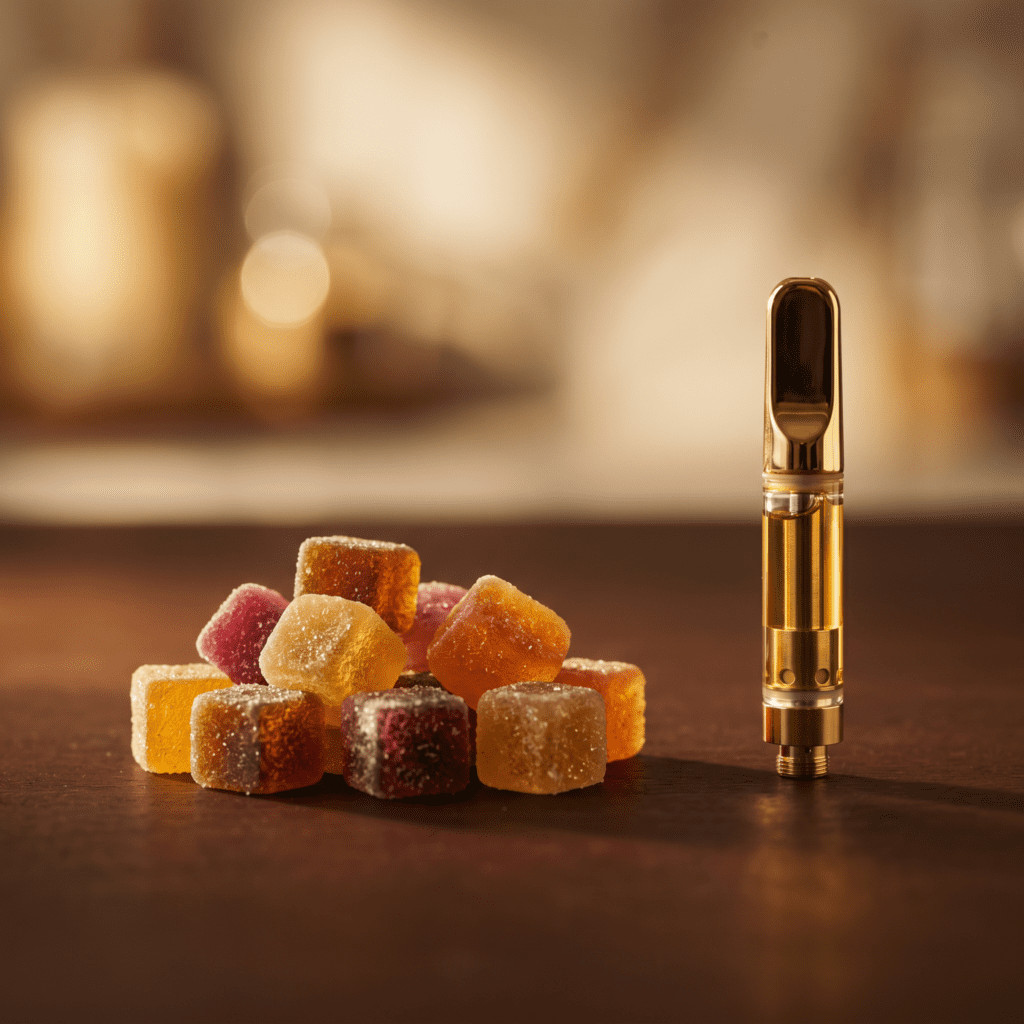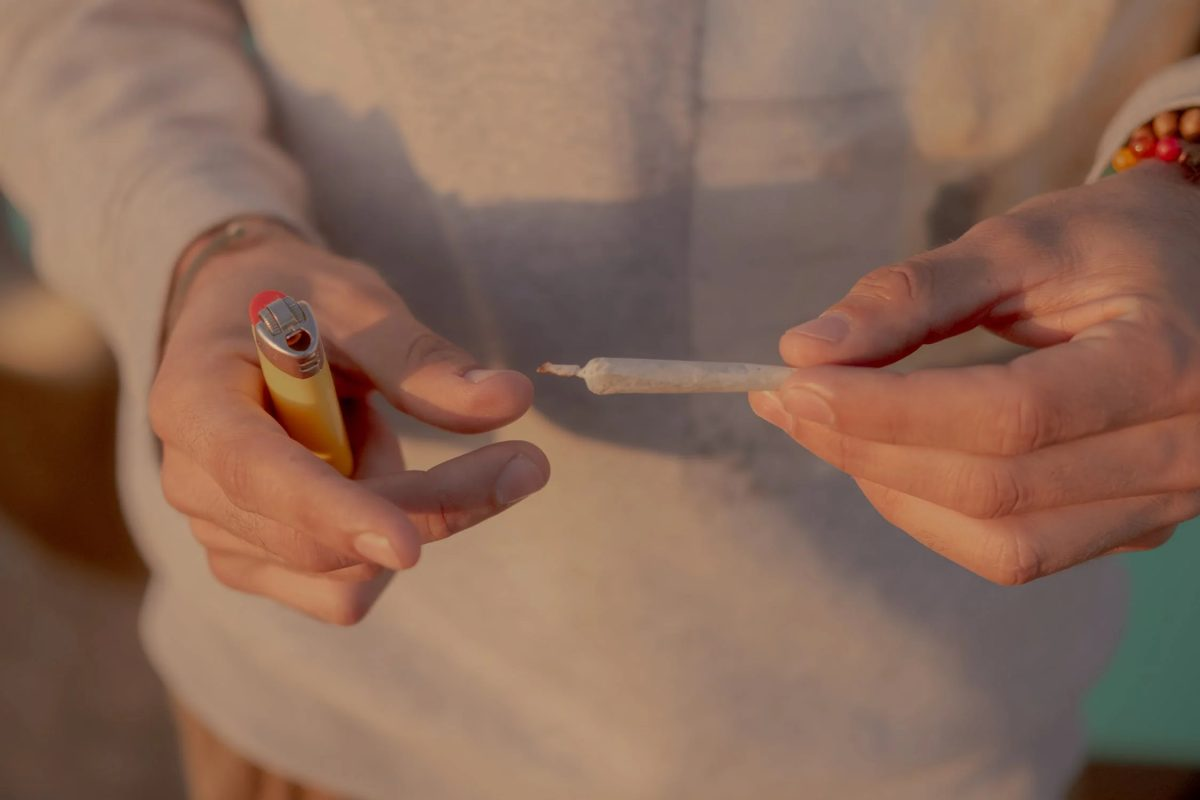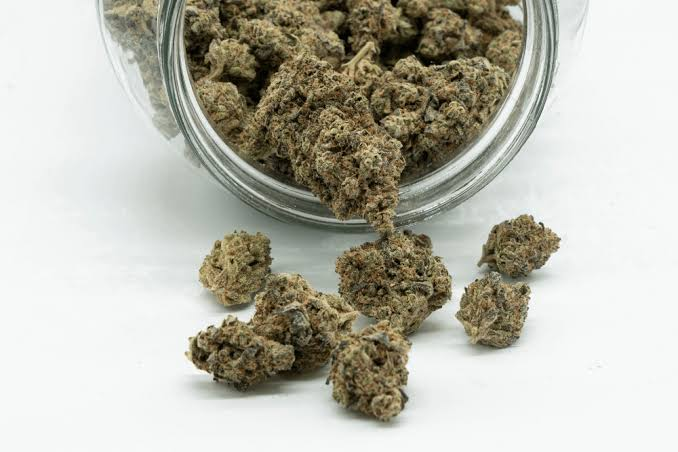


That’s what catches most people off guard the first time they try an edible after being accustomed to smoking. You can consume the same amount of THC through an edible as you would through a joint, and what you feel — and when you feel it — can be entirely different. Not slightly different. Meaningfully, noticeably different. Here’s why.
Why Inhaled Cannabis Works So Fast
When cannabis is smoked or vaped, cannabinoids travel from the lungs directly into the bloodstream. The pathway is short and efficient. Onset typically happens within minutes, peaks somewhere around 30 to 60 minutes in, and winds down within a couple of hours for most people.
That speed gives you real-time feedback. You know where you are, and you can make an informed decision about whether you want more. For many cannabis consumers, that predictability is exactly why they prefer inhaled formats for certain occasions. Edibles don’t work this way — not even close.
The Digestive System Changes Everything
When you eat a cannabis edible, THC doesn’t go directly into your bloodstream. It enters the digestive system, passes through the stomach, gets absorbed by the gastrointestinal tract, and makes its way through the liver before entering circulation. That whole process takes time — and how much time depends on the person.
Onset from an edible can range from 30 minutes to upward of four hours. That’s a wider window than most people expect when they’re standing at the shelf for the first time. Your metabolism, body composition, and whether you’ve eaten recently all play a role. A full stomach tends to slow absorption; an empty stomach tends to speed it up. No single timeline applies to everyone.
Duration is also much longer. Inhaled cannabis typically wears off in two to three hours, but edibles can produce effects for four to six hours or more. Because that window is so extended, the decisions you make before consuming carry far more weight than they do with any inhaled product. Browse The Purple Leaf’s edibles selection to explore the formats available.
The Liver Converts THC Differently
Here’s the science behind why edibles feel different — even when the THC content on the label is identical to what you’d smoke.
When THC is inhaled, it reaches the brain mostly intact. When THC is consumed as an edible, the liver converts it into a compound called 11-hydroxy-THC. This metabolite crosses the blood-brain barrier more efficiently than regular THC, and research consistently shows it produces a stronger and longer-lasting experience at an equivalent dose.
That’s not something to be alarmed by — it’s just how biology works. Knowing this helps you make better choices. It also explains why two people can eat the same gummy or chocolate and describe their experiences in noticeably different terms. How efficiently the liver converts and processes THC varies significantly from person to person.

Why Cannabis Chocolate Behaves the Way It Does
Cannabis is fat-soluble, meaning THC and other cannabinoids bind to fat rather than water. This explains a lot about why chocolate has become one of the most popular edible formats.
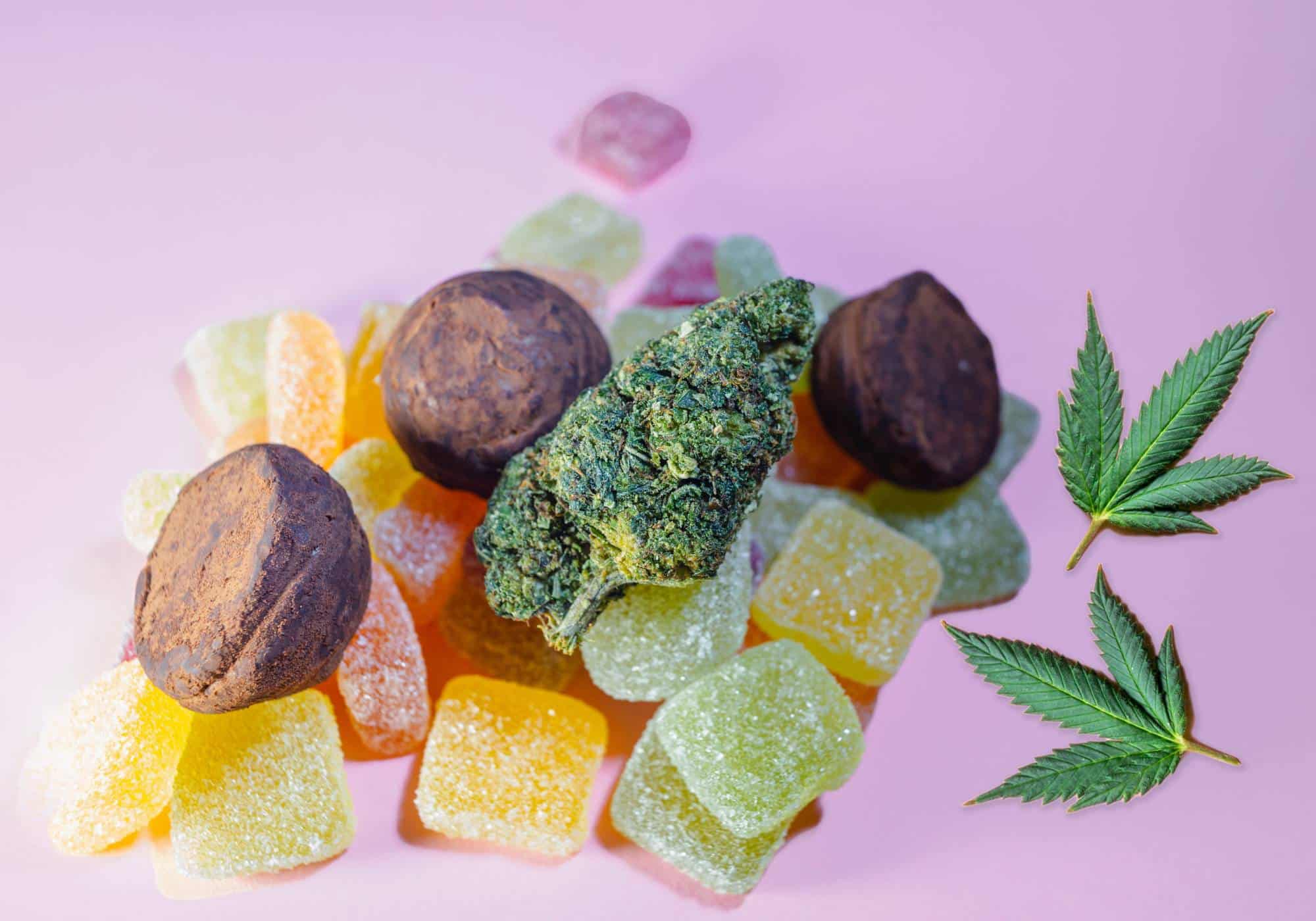
Chocolate — particularly milk and dark varieties — is naturally rich in fat from cocoa butter and dairy. That fat content creates an ideal environment for cannabis extract to bind evenly and distribute consistently throughout the product. In a well-made cannabis chocolate, the extract isn’t just mixed in; it’s integrated into the fat matrix, which affects both flavour and how efficiently cannabinoids are absorbed during digestion.
Dark chocolate adds another dimension. Its higher cacao content brings aromatic compounds that interact with the terpene profile of full-spectrum extracts in ways that make a quality cannabis chocolate taste genuinely cohesive — complex and layered rather than like two separate things sharing a wrapper. Full-spectrum products, which preserve the broader cannabinoid and terpene profile of the plant, tend to integrate particularly well into a rich chocolate base.
The 10mg Standard: What It Means and Why It Matters
Canada’s legal cannabis market caps edible products at 10mg of THC per serving, and that limit reflects a genuine understanding of how edibles work in the body. Given the delayed onset and extended duration, a standardized serving size gives consumers a meaningful reference point before they consume.
Every edible sold through a licensed Canadian cannabis retailer carries regulated, standardized labelling: THC content, CBD content, extract type, and serving size. That information is there because with edibles, what you know before you consume matters far more than with any other format.
A 1:1 THC to CBD edible delivers a different experience than a THC-dominant product at the same milligram count. An isolate-based edible behaves differently from a full-spectrum one. Reading the label isn’t a suggestion — it’s the most useful thing you can do before eating an edible. The team at The Purple Leaf is happy to walk you through the options and help you find the right fit.
Practical Tips for Edible Consumers
Start low and go slow. This advice exists for a reason. A 2.5mg or 5mg starting point gives your body time to respond before you decide whether to adjust. Resist the urge to take more because you don’t feel anything after 45 minutes — the effects may still be building.
Be patient. The most common edible mistake is assuming the product didn’t work and consuming more too soon. Give it at least 90 minutes before reassessing, and ideally longer if you’re newer to edibles.
Consider your stomach. Having food in your system will generally slow onset. An empty stomach may speed things up. Neither is wrong — it’s just useful context when you’re planning your session.
Keep it somewhere safe. Cannabis edibles are packaged in child-resistant containers by law, but keeping them clearly labelled and stored separately from regular food is always a good habit.
Common Questions About Edibles
Why do edibles feel stronger than smoking even at the same THC amount?
Because the liver converts THC into 11-hydroxy-THC during digestion — a metabolite that many people find more potent and longer-lasting than inhaled THC at an equivalent dose.
How long do edibles take to kick in?
Anywhere from 30 minutes to several hours, depending on your metabolism, body composition, and what you’ve eaten. Waiting at least 90 minutes before deciding to consume more is a reliable rule of thumb.
What’s the difference between full-spectrum and isolate edibles?
Full-spectrum edibles contain a broader range of cannabinoids and terpenes from the cannabis plant, which many people find produces a more layered experience. Isolate-based edibles contain only extracted THC or CBD, with no other plant compounds.
What edible formats are available?
The Purple Leaf carries a range of edible formats including gummies, chocolates, beverages, capsules, and more — each clearly labelled with THC content per serving so you can shop with confidence.
The Bottom Line
The difference between eating cannabis and smoking it isn’t a matter of preference — it’s biology. The digestive pathway, the liver conversion, the fat-solubility of cannabinoids, the extended onset and duration: these are the reasons edibles deserve their own framework of understanding before you try them. Start low, be patient, read the label, and don’t hesitate to ask for guidance. Visit The Purple Leaf to explore our full edibles selection and find the right product for your experience level.
Shop related at The Purple Leaf: edibles
Buy THC edibles online in Canada · Same-day weed delivery in London, Ontario on orders before 12:00 PM EST.