

Cannabis’s role in health and wellness has shifted dramatically since legalization. What was once dismissed as a counterculture indulgence is now the subject of some of the most compelling research in modern medicine — and millions of Canadians are incorporating cannabis into their daily wellness routines in ways that would have been unimaginable a generation ago.
The transformation is real, the evidence is growing, and the range of products available through the legal Canadian market has never been better matched to the specific health goals that drive most cannabis wellness use. This guide covers the key benefits, the science behind them, and how to choose the right products for your specific wellness needs.
The Foundation — Why Cannabis Works for Wellness
To understand why cannabis has such broad wellness applications, you need to understand the endocannabinoid system — the biological framework that makes the whole thing possible.
The endocannabinoid system is a network of receptors distributed throughout the brain, nervous system, immune system, and peripheral tissues. It plays a central regulatory role in a remarkable range of physiological processes — mood, pain perception, inflammation, sleep, appetite, stress response, and immune function among them.
Your body produces its own cannabinoids — called endocannabinoids — that activate this system as part of normal physiological regulation. The cannabinoids in cannabis — primarily THC and CBD — interact with the same receptor network, which is why cannabis can influence such a wide range of health outcomes.
This is not a fringe hypothesis. The endocannabinoid system is one of the most studied regulatory systems in contemporary neuroscience, and the therapeutic implications of targeting it with plant-derived cannabinoids are being actively explored across dozens of clinical research programmes globally.
The Key Wellness Benefits of Cannabis — What the Evidence Shows
Pain Relief
Chronic pain is the single most common reason Canadians use medical cannabis — and the evidence base supporting cannabis for pain management is the most mature in the cannabis research literature.
THC and CBD both contribute to pain relief through distinct mechanisms. THC modulates pain signalling through CB1 receptors in the brain and spinal cord — producing analgesic effects that are particularly relevant for neuropathic pain (nerve pain), which often responds poorly to conventional analgesics. CBD contributes anti-inflammatory properties through CB2 receptor activity and serotonin receptor interaction, addressing the inflammatory component of many pain conditions alongside THC’s neurological effects.
The terpene caryophyllene — present in high concentrations in many cannabis strains — also interacts directly with CB2 receptors, contributing additional anti-inflammatory activity. Strains with a caryophyllene-forward terpene profile consistently perform well for users managing inflammatory pain conditions including arthritis, fibromyalgia, and inflammatory bowel disease.
For localised pain — specific joints, muscles, or areas of the body — CBD topicals deliver targeted cannabinoid relief directly to the affected area without any systemic psychoactive effect. Browse our balms and salves at The Purple Leaf for currently available topical options.
For systemic or widespread pain, oral cannabis products — capsules, edibles, and CBD oils — provide sustained, full-body relief across a longer duration than inhaled products.
Anxiety and Stress Relief
Anxiety is the second most common reason Canadians turn to cannabis for wellness purposes — and one of the areas where the pharmacology of getting it right matters most.
CBD’s anxiolytic properties are well-documented. Multiple clinical studies support CBD’s effectiveness for generalised anxiety disorder, social anxiety, and stress-related sleep disruption. CBD interacts with the brain’s serotonin receptor system — the same pathway targeted by many conventional anxiolytics — producing meaningful anxiety reduction without psychoactive effect or the dependency risks associated with benzodiazepines.
THC’s relationship with anxiety is more nuanced. At low doses, THC can produce anxiety relief alongside mild euphoria and relaxation. At high doses — or in individuals with particular sensitivity — THC can paradoxically trigger or amplify anxiety. This biphasic dose-response relationship is why product selection and dose management are particularly important for anxiety applications.
The most consistently effective cannabis wellness approach for anxiety combines CBD’s direct anxiolytic action with a modest amount of THC — balanced THC/CBD products that deliver the calming warmth of THC moderated by CBD’s anxiety-moderating properties. Browse our CBD products and edibles for available balanced options.

Sleep Improvement
One in three Canadians reports experiencing significant sleep difficulty. Cannabis — used appropriately — offers meaningful support for two distinct categories of sleep problem.
For sleep onset difficulty (the inability to fall asleep), THC consistently reduces sleep latency — the time between lying down and falling asleep. Indica-dominant strains with high myrcene content are particularly effective, producing the physical relaxation and mental quieting that support natural sleep transition.
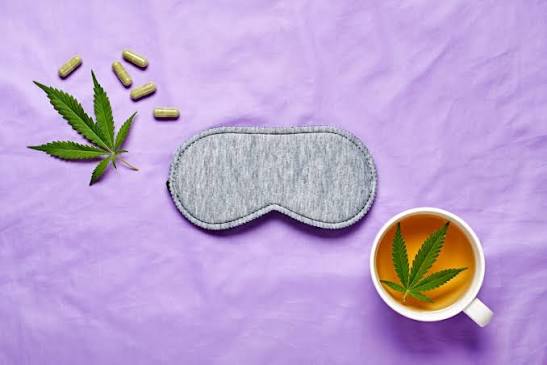
For anxiety-mediated sleep disruption (where racing thoughts and physical arousal prevent sleep), CBD is the more targeted intervention — addressing the underlying anxiety rather than simply sedating the nervous system. CBD oil taken 30–45 minutes before bed, or a low-dose balanced edible taken 60–90 minutes before, are the most practical formats for sleep-focused cannabis wellness use.
Browse our indica flower, capsules, and CBD products at The Purple Leaf for products specifically suited to sleep support.
Inflammation
Chronic inflammation is a contributing factor in an enormous range of health conditions — arthritis, cardiovascular disease, autoimmune conditions, metabolic disorders, and many neurological conditions. Cannabis’s anti-inflammatory properties are one of its most broadly applicable and evidence-supported wellness characteristics.
CBD is a meaningful anti-inflammatory compound — it reduces the activity of pro-inflammatory cytokines and modulates immune cell function through CB2 receptor interaction. This makes it particularly relevant for conditions with a significant inflammatory component.
THC also has anti-inflammatory properties, particularly for conditions involving neuroinflammation. The combination of THC and CBD in a full-spectrum product appears to produce greater anti-inflammatory effect than either cannabinoid in isolation — another expression of the entourage effect that makes whole-plant cannabis products valuable for wellness applications.
Mental Wellbeing and Mood
Beyond anxiety specifically, cannabis at appropriate doses contributes to broader mental wellbeing — mood elevation, increased sense of connection, greater emotional openness, and a reduction in the cognitive rumination that underlies much of the depression and low mood that affects a significant portion of the Canadian population.
The most substantial clinical evidence in this area comes from psilocybin research rather than cannabis — but cannabis’s interaction with the endocannabinoid system produces documented mood-regulatory effects that are genuinely meaningful for users managing persistent low mood, burnout, and stress-related emotional flatness.
Browse our psilocybin products alongside our cannabis wellness range at The Purple Leaf for options across the full spectrum of plant-based wellness.
CBD vs THC for Wellness — Choosing the Right Cannabinoid
The most fundamental product decision for cannabis wellness use is whether your application calls for THC, CBD, or a combination of both.
Choose CBD when: You want wellness benefits without any psychoactive effect. You need to remain fully functional — at work, driving, or during any activity where impairment is unacceptable. You are managing anxiety where THC’s potential to amplify rather than relieve anxiety at higher doses is a concern. You want a daily supplement that integrates into your routine without any lifestyle adjustments.
Choose THC when: You want the combined therapeutic and psychoactive effects of cannabis — the warmth, physical relaxation, and mood elevation alongside pain or sleep benefits. You are consuming in the evening or in contexts where some impairment is acceptable. You have established cannabis experience and a clear sense of your personal dose-response.
Choose balanced THC/CBD when: You want genuine psychoactive effect moderated by CBD’s anxiety-reducing and intensity-moderating properties. You are a newer cannabis user who wants therapeutic benefit with a more forgiving and manageable psychoactive experience. You are managing conditions — chronic pain, serious insomnia, PTSD — where the combined action of both cannabinoids appears most effective in the clinical literature.
Browse our full range across all three approaches — CBD products, THC flower, edibles, and vapes — at The Purple Leaf.

Cannabis Product Formats for Wellness — Which One Is Right for You
CBD Oils and Tinctures
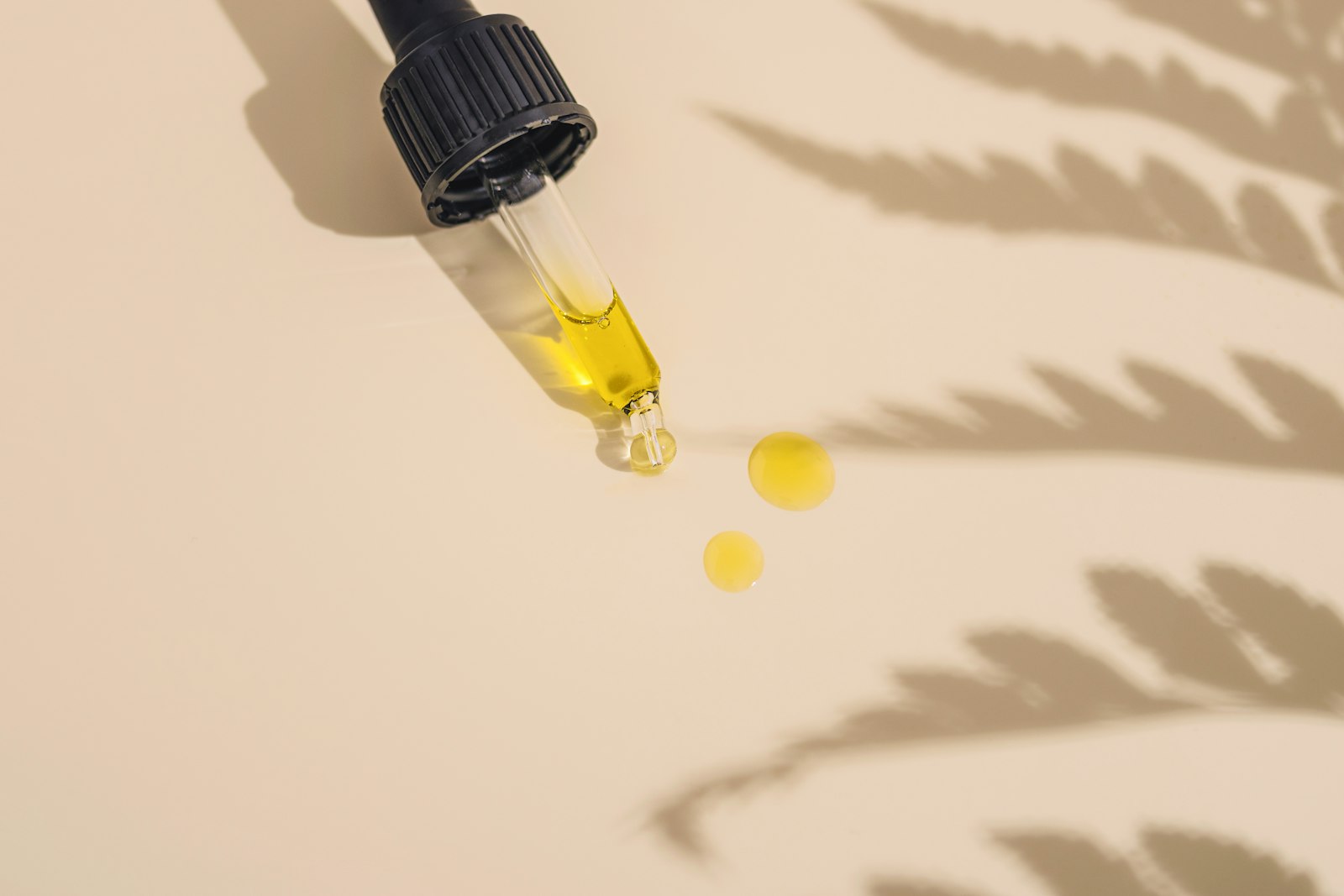
Sublingual CBD oil — drops held under the tongue for absorption — is the most widely used cannabis wellness product in Canada. It offers faster onset than capsules or edibles (typically 15–45 minutes), precise dose adjustment through the dropper format, and the flexibility to adapt the dose day-to-day based on changing needs.
CBD oil is particularly well-suited to anxiety management, general stress support, and as a daily wellness supplement. The sublingual route bypasses first-pass liver metabolism partially, delivering slightly higher bioavailability than swallowed products.
Browse our CBD products for available oil options.
Capsules
Cannabis capsules deliver a fixed, consistent dose of cannabinoids in the most convenient and discreet format available — indistinguishable from any other supplement, tasteless, and easily incorporated into an existing daily routine.
The capsule format’s primary advantage is dosing consistency — the same amount every day without measuring or variability. For users managing chronic conditions where consistent cannabinoid levels matter — chronic pain, ongoing anxiety, inflammatory conditions — capsules are the most practically sustainable format.
Browse our capsules selection at The Purple Leaf.
Edibles
Cannabis-infused edibles provide the longest-duration wellness effect of any consumption format — typically 4–8 hours — making them the best choice for users who want sustained relief through the night or across a significant portion of the day.
The extended duration is the primary advantage for wellness applications. A low-dose indica edible taken before bed for sleep support, or a CBD-dominant edible taken with breakfast for all-day anxiety management, are among the most practical wellness use cases for this format.
The two-hour onset window requires planning — but for regular, scheduled wellness use rather than acute on-demand relief, this is a manageable consideration. Browse our edibles menu including gummies, capsules, and drinks.
Vaping
For wellness applications that require faster onset — acute pain relief, situational anxiety, immediate sleep support — inhaled cannabis via vaping delivers effects within minutes rather than the extended timeline of oral formats.
Vaping is preferable to smoking from a wellness perspective — it eliminates the combustion byproducts of burning plant material while preserving the fast-onset pharmacokinetics of inhaled cannabis. Browse our vapes and cartridges for available options including CBD-dominant and balanced formulations suited to daytime wellness use.
Topicals
For localised physical wellness applications — joint pain, muscle soreness, skin conditions, tension headaches — CBD topicals deliver cannabinoids directly to the affected tissue without any systemic absorption or psychoactive effect.
Topicals are the most accessible cannabis wellness product for users who are cautious about any psychoactive experience, and the most targeted format for physical conditions with a clear anatomical focus.
Browse our body care and topicals including balms and salves at The Purple Leaf.
Choosing the Right Cannabis Strain for Wellness
Strain selection shapes the character of the cannabis wellness experience in ways that go beyond THC and CBD percentages alone. The terpene profile of a strain — its specific aromatic compound composition — significantly influences the effect character and the wellness applications it’s best suited to.
Indica and indica-dominant strains produce physical relaxation, sedation, and a body-focused effect profile particularly suited to pain management, sleep support, and stress relief at the end of the day. Their typically myrcene and linalool-forward terpene profiles contribute physical ease and calm that are directly relevant to these applications. Browse our indica selection.
Sativa and sativa-dominant strains produce more cerebral, energising effects suited to daytime wellness use — mood elevation, anxiety relief without sedation, and the enhanced sensory awareness and creativity that some users find valuable for focus and mental wellbeing. Browse our sativa selection.
Hybrid strains combine characteristics of both — the most versatile category for wellness use across different times of day and different applications. A balanced hybrid with moderate THC and significant CBD offers a well-rounded wellness experience that suits a broad range of users and situations. Browse our hybrid selection.
How to Start a Cannabis Wellness Practice
For Canadians new to cannabis wellness who want to begin responsibly, here is a practical framework.
Start with CBD. A daily CBD oil or capsule at 10–25 mg is the lowest-risk, most accessible starting point for cannabis wellness. Maintain consistently for two to four weeks to assess the baseline benefit before deciding whether to add any THC component.
Add THC gradually if appropriate. If CBD alone doesn’t fully address your wellness goals, add a small amount of THC — starting with a 1:1 balanced product at the lowest available dose — and build slowly over several sessions.
Match the product to the application. Topicals for localised pain. Oil or capsules for daily anxiety management. Low-dose edibles for sleep. Vaping for fast-onset acute relief. The format matters as much as the cannabinoid content.
Track your response. Cannabis wellness is personal and individual. Keeping a simple daily note of dose, product, timing, and effect helps you identify what works, what doesn’t, and where adjustments are needed.
Talk to our team. At The Purple Leaf, our team is available Monday to Friday, 9 AM to 8 PM EST, at 519-777-9498. We’re always happy to help you find the right products for your specific wellness goals — no pressure, no judgment, just genuinely useful guidance.
Frequently Asked Questions
How is cannabis transforming health and wellness? Cannabis interacts with the body’s endocannabinoid system to regulate pain, inflammation, anxiety, sleep, and mood — offering a natural complement to conventional wellness approaches across a wide range of conditions. Both CBD and THC contribute therapeutic properties through distinct mechanisms. Browse our wellness range at thepurple-leaf.com.
What is better for wellness — CBD or THC? It depends on your specific wellness goal. CBD is non-psychoactive and well-suited to anxiety management, inflammation, and daily wellness supplementation. THC provides additional benefits for pain, sleep, and mood alongside psychoactive effects. Balanced products combining both are often most effective for conditions where the combined action of both cannabinoids is beneficial.
What cannabis products are best for chronic pain? CBD topicals for localised pain, cannabis capsules or edibles for sustained systemic relief, and indica-dominant flower or vaping for fast-onset relief are the most commonly used cannabis pain management formats. Browse our CBD products and indica selection.
Can CBD help with anxiety without getting you high? Yes. CBD is completely non-psychoactive — it reduces anxiety without any high or impairment to daily function regardless of the dose. Browse our CBD range for available oils, capsules, and topicals.
What cannabis products are best for sleep? Low-dose indica edibles or capsules consumed 60–90 minutes before bed, or CBD oil taken 30–45 minutes before sleep for anxiety-driven insomnia, are the most practical cannabis sleep formats. Browse our indica flower, edibles, and CBD products.
Where can I buy cannabis wellness products in London, Ontario? The Purple Leaf carries a comprehensive range of CBD oils, capsules, topicals, edibles, vapes, and cannabis flower suited to wellness applications — available for local London, Ontario delivery and Canada Post shipping Canada-wide. Order at thepurple-leaf.com or call 519-777-9498 Monday to Friday, 9 AM to 8 PM EST.
Shop Cannabis Wellness Products at The Purple Leaf
Whether you’re managing chronic pain, persistent anxiety, poor sleep, or simply looking to build a more intentional daily wellness routine, The Purple Leaf has the products and the knowledge to help you find the right starting point.
Browse our CBD products, capsules, topicals, edibles, vapes, and flower at thepurple-leaf.com, or call us at 519-777-9498 Monday to Friday, 9 AM to 8 PM EST.
New customer? Subscribe to our newsletter and use code PRIMETIME for 10% off your first order.
The Purple Leaf — London, Ontario’s trusted cannabis dispensary. Licensed, tested, knowledgeable. Local delivery available. Ships across Canada.
Please note: This article is general information, not medical advice. Cannabis affects everyone differently. Talk to a doctor or pharmacist before using cannabis for any health reason, especially if you take medication. You must be 19 or older to buy cannabis in Ontario.
Buy weed online in Canada · Same-day weed delivery in London, Ontario on weekday orders placed before noon (12:00 PM EST).