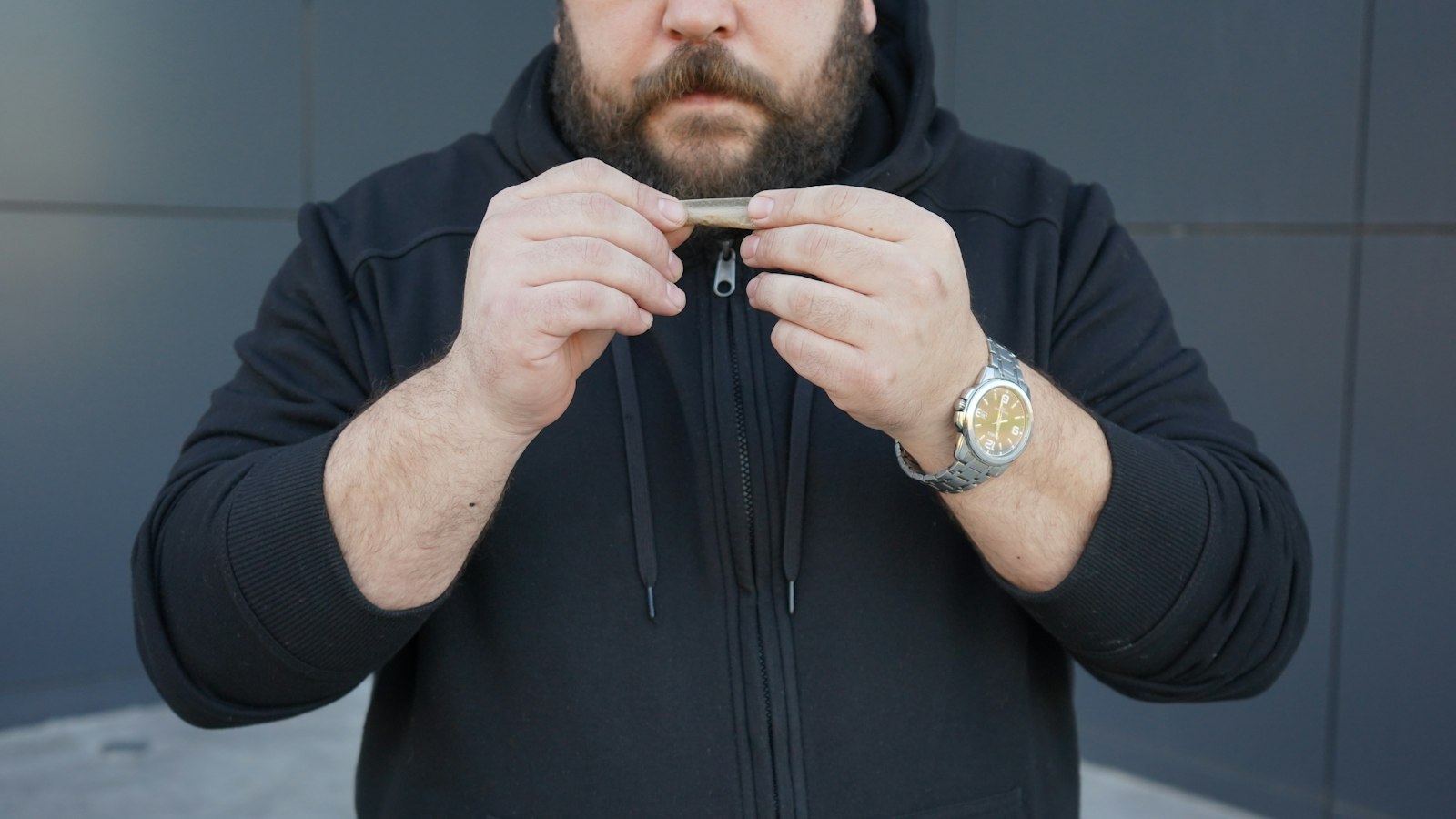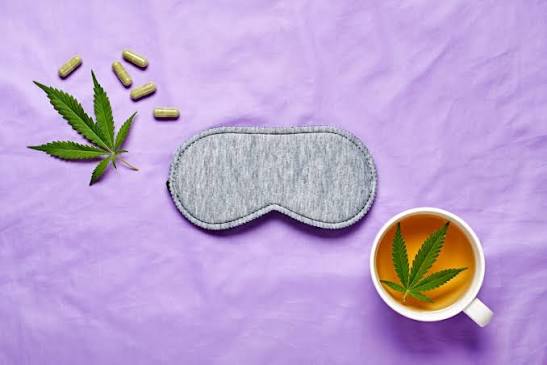


You went a little harder than usual last night. Maybe it was an edible that hit stronger than expected, or a sesh that stretched a little longer than planned. Now it’s the morning after and something feels off. Your head is foggy, your body feels heavy, and motivation is somewhere far, far away. Sound familiar? You might be dealing with a weed hangover.
Despite the ongoing debate about whether cannabis hangovers are “real,” plenty of regular consumers know from personal experience that overindulging can absolutely leave you feeling rough the next day. Here’s everything you need to know about what a weed hangover actually is, what causes it, and most importantly, how to shake it off and get back to feeling like yourself.
What Is a Weed Hangover?
A weed hangover refers to the lingering aftereffects of cannabis consumption that persist into the following day. It typically occurs after consuming more than your body is used to, whether that’s a higher dose of THC than normal, a particularly potent strain, or simply a longer session than usual.
Not everyone experiences weed hangovers, and that comes down to a few factors. Individual tolerance to THC plays a major role, as does the strain itself, its potency, and the method of consumption. Edibles, for example, tend to produce longer-lasting effects than inhaled cannabis, which can mean residual grogginess the next morning if you took too much or consumed too late in the evening.
Common Symptoms of a Weed Hangover
Weed hangover symptoms tend to be milder than those associated with alcohol, but they’re real enough to disrupt your day. You might be experiencing one if you notice any of the following:
Brain fog or difficulty concentrating are among the most commonly reported symptoms. Tasks that would normally feel effortless can require noticeably more mental effort than usual. Many people also experience fatigue or a general sense of sluggishness, feeling like they didn’t get nearly enough sleep even after a full night in bed.
Mild headaches are another frequent complaint, often linked to dehydration that can occur with cannabis use. Dry mouth and dry eyes are classic cannabis aftereffects that sometimes carry over into the next day. Nausea, while less common, can also occur, particularly after consuming high amounts of THC. Some people report a low mood or a mild sense of anxiety in the hours following heavy use as their system recalibrates.
If any of these symptoms sound familiar, the good news is that they’re temporary and very manageable with a few straightforward remedies.
How to Get Rid of a Weed Hangover
1. Drink Plenty of Water
Hydration is the first and most important step. Cannabis can contribute to dehydration, and dehydration is one of the biggest drivers of that pounding head and general feeling of unwellness. Start your morning with a large glass of water and keep sipping throughout the day. If plain water feels like a chore, herbal tea, coconut water, or an electrolyte drink can all help replenish what your body needs. Staying on top of your fluid intake will also help your body process and clear any residual compounds faster.
2. Eat a Nourishing Meal
Food is your friend when you’re running on empty after a rough night. A solid meal helps restore your energy levels and gives your body the fuel it needs to recover. Reach for whole, nutrient-dense foods rather than processed snacks. Eggs, avocado, whole grains, fruits, and vegetables will do far more for your recovery than a bag of chips will. Protein and healthy fats in particular can help stabilize your blood sugar and improve your focus. If your stomach is feeling sensitive, start small and work your way up.
3. Get Moving
The last thing you probably want to do when you’re foggy and tired is exercise, but even light movement can make a meaningful difference. A gentle walk outside is one of the best things you can do. Fresh air, natural light, and mild physical activity all help to boost circulation, elevate your mood through endorphin release, and shake off that heavy, sluggish feeling. You don’t need to run a 5K. A 20 to 30 minute walk around the block can be genuinely transformative when you’re trying to reset your body and mind.
4. Stretch and Breathe
If getting outside feels like too much too soon, start on your mat. Gentle stretching helps release physical tension that may have accumulated, improves oxygen flow throughout the body, and can do wonders for brain fog. Moving through a few simple yoga poses or even just stretching your neck, shoulders, and back for 10 minutes can help you feel more present and grounded.
From there, try pairing your stretch with some intentional breathing or a short meditation. Slow, deep breaths activate the parasympathetic nervous system, which helps bring your body out of a stressed or foggy state and into a calmer, more focused one. Even five minutes of quiet breathing can shift your headspace considerably.
5. Take a Warm Bath or Shower
Once you’ve got some movement in, a warm bath or shower can work wonders. Heat helps relax tense muscles, improves circulation, and has a calming effect on the nervous system overall. A warm bath in particular can feel incredibly restorative when your body is in recovery mode. For an added boost, consider dropping a CBD bath bomb into your soak. Blends featuring lavender, chamomile, or citrus can help ease any residual tension and leave you feeling genuinely refreshed rather than just slightly less awful.
6. Drink Tea or Coffee
A moderate amount of caffeine can help cut through the mental fog and restore a sense of alertness. Tea is a gentler option if you’re sensitive to caffeine or your stomach is unsettled, and certain herbal teas like ginger or peppermint can also help with nausea. Green tea offers a mild caffeine lift alongside calming L-theanine, which many people find gives them focus without the jittery edge of coffee. That said, don’t overdo it. Too much caffeine on an already depleted system can make headaches and anxiety worse.
7. Apply a CBD Topical
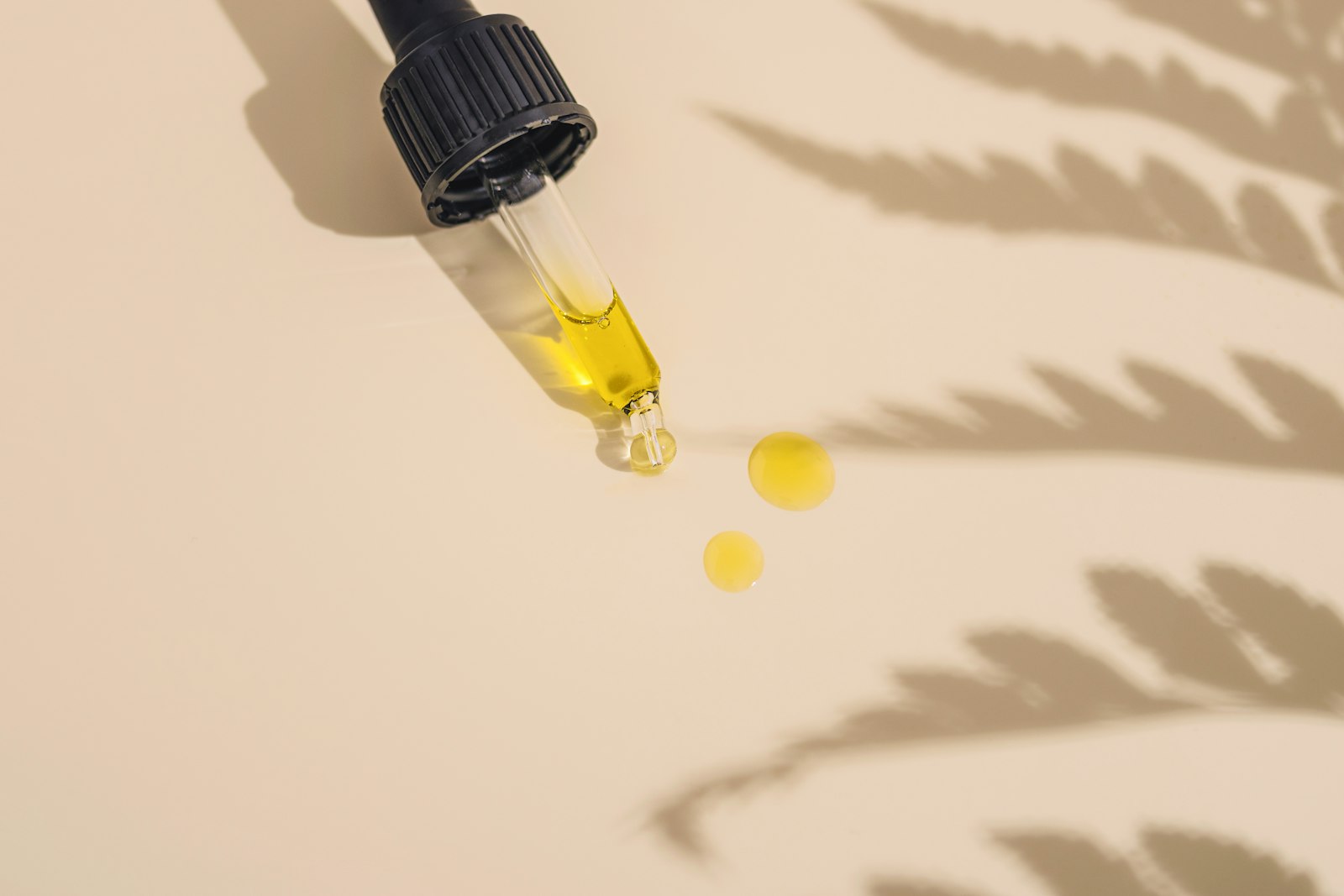
If a headache is still lingering after you’ve hydrated and eaten, applying a CBD balm or oil to your temples and the back of your neck can help provide some localized relief. This is a good option for those who want to address discomfort without reaching for over-the-counter pain medication. CBD topicals are non-intoxicating and can be used at any point in your day without affecting your mental clarity or ability to function.
8. Rest if You Need To
Sometimes the most productive thing you can do is give your body more time to recover. Cannabis can interfere with sleep architecture, particularly the REM stage that leaves you feeling truly rested. If you’re still dragging after trying the tips above, a short nap can help your body complete the recovery process it needs. Keep it to 20 to 30 minutes if you can, so you don’t wake up feeling groggier than before.
How to Avoid a Weed Hangover Next Time
Prevention is always easier than recovery. The most reliable way to avoid waking up feeling rough is to consume mindfully and within your personal limits. The well-worn advice of starting low and going slow exists for a reason, and it applies whether you’re a first-time user or a seasoned consumer trying a new product.
Choosing lower-THC or higher-CBD products can also reduce the likelihood of overconsumption. Higher CBD content tends to moderate the intensity of the high and can counteract some of the more overwhelming effects of THC. Staying hydrated before and during your session, eating beforehand, and being mindful of how late in the evening you consume can all make a noticeable difference in how you feel the next morning.
If you’re ever unsure about dosing or product selection, don’t hesitate to ask a knowledgeable budtender. They can help you find something that suits your tolerance and goals so you can enjoy your experience without paying for it the next day.
Buy weed online in Canada · Same-day weed delivery in London, Ontario on weekday orders placed before noon (12:00 PM EST).