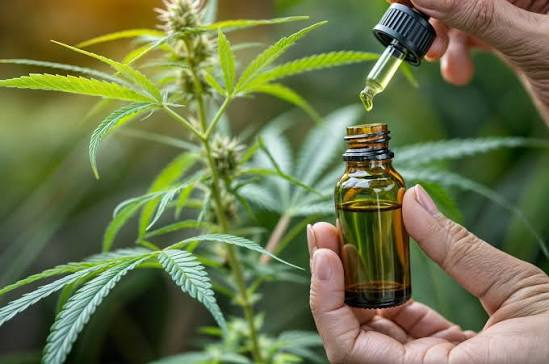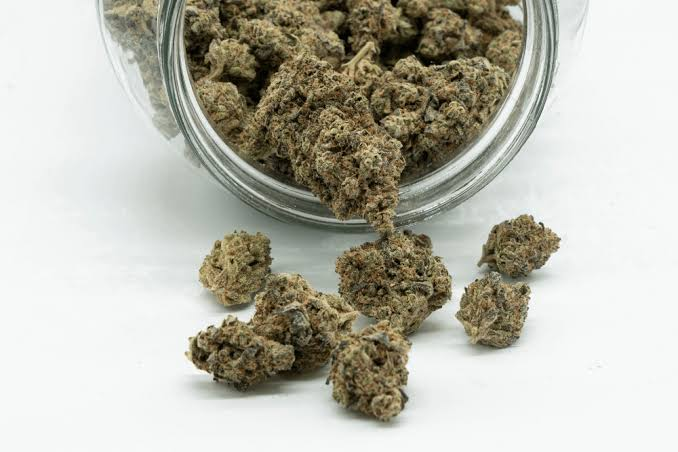


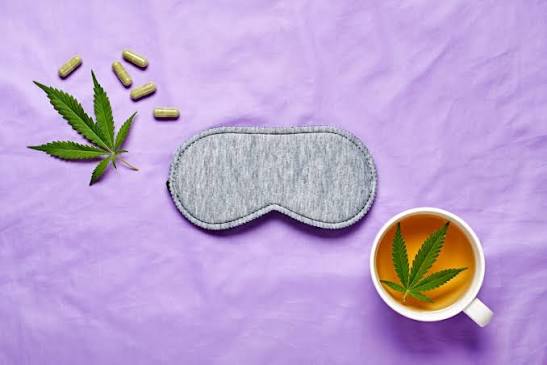
Yes, sativa can make you sleepy. If you’ve ever picked a sativa expecting energy and ended up on the couch, three mechanisms explain what actually happened — and how to predict it before your next purchase.
The Sativa Label Doesn’t Predict How You’ll Feel
This is the foundation everything else builds on, and it’s the part most cannabis content won’t say directly.
The sativa and indica categories were developed as a botanical classification system. Decades of crossbreeding have collapsed whatever genetic distinctions once existed between these varieties into something too blurred to be meaningful. What remains on dispensary shelves is a marketing framework built on consumer expectations, not plant chemistry.
Two products labelled sativa can have completely different terpene profiles and produce completely different experiences. When the chemistry doesn’t match the expectation — when you expected energy and got sedation — the label is what misled you, not the cannabis.
This doesn’t mean the sativa label is useless. It’s a rough starting point that often correlates with certain terpene profiles. But it’s a starting point, not a guarantee, and treating it as one is what causes confusion. The Purple Leaf’s flower and vape selection is clearly labelled with terpene information where available — use that information rather than stopping at the strain classification.
Mechanism One: The Biphasic Effect
THC produces different effects at different dose levels. This is called the biphasic effect, and it explains more sativa confusion than almost anything else.
At lower amounts, sativa-leaning products tend to produce the uplifted, mentally engaged, energizing quality that the label promises. At higher amounts, that flips — the same product that felt bright and focused at a light dose becomes sedating, heavy, or anxious at a heavier one.
The shift isn’t always gradual. Many people describe it as feeling like a completely different product from the same purchase, depending entirely on how much they consumed.
There’s also a crash component that operates independently of this. A sativa pushing hard cerebrally is an energetically demanding experience. When that peak fades, the recovery feels like a drop — not from the cannabis making you sedated, but from your mind and body returning to baseline after significant stimulation. That can feel like tiredness, and it often gets attributed to the strain rather than to what’s actually happening.
The practical implication of both: the amount you consume is the most important variable in whether a sativa energizes or sedates you. Staying on the energizing side of the biphasic curve is largely a matter of consuming less than you think you need and adjusting from there.
Mechanism Two: Terpenes Are Doing More Than You Think
Terpenes are the aromatic compounds that give different cannabis strains their distinct smell and taste. What most people don’t fully appreciate is that they also actively shape the character of the experience — independently of the THC content and independently of the sativa label.
A sativa product with a myrcene-dominant terpene profile will relax you. Full stop. Myrcene is the most common terpene in cannabis and is strongly associated with physically settling, body-forward effects. It doesn’t matter what the package says — if myrcene is the dominant terpene, expect relaxation.
On the other side of the spectrum, limonene and pinene are the terpenes associated with the uplifting, energizing, mentally engaged quality that people are shopping for when they reach for a sativa. Products where these terpenes dominate tend to actually deliver the experience the label implies.
The practical framework for reading terpene profiles is straightforward: focus on the top one or two terpenes listed by concentration. Anything below roughly 0.5% is unlikely to meaningfully shape your experience. Above that threshold, the dominant terpenes are predictive in a way the strain name simply isn’t.
| Terpene | Effect Profile | Aroma Cue |
|---|---|---|
| Myrcene | Settling, relaxing, body-forward | Earthy, musky, herbal |
| Limonene | Uplifting, mood-forward | Citrus |
| Linalool | Calming, physically easing | Floral, lavender |
| Pinene | Alert, mentally clear | Pine, sharp |
When limonene or pinene dominates above the threshold, the product genuinely leans energizing regardless of the label. When myrcene dominates, expect relaxation regardless of what the label says. Learning to read those two or three numbers on a terpene profile replaces the guesswork that comes from relying on sativa or indica designations alone.
One important caveat: terpene-based selection applies to flower and vapes. Terpenes in edibles are largely broken down during digestion and don’t contribute meaningfully to the experience in the same way.

Mechanism Three: Format Changes Everything
This is the mechanism most sativa guides never reach, and it’s arguably the most consequential.
How you consume cannabis shapes the experience as much as what you consume. When you smoke or vape flower, the terpene profile is active and relevant. Effects arrive quickly, allowing real-time calibration. The window is shorter — one to three hours for most people.
When you eat a cannabis edible, the pathway changes entirely. THC is processed by the liver and converted into 11-hydroxy-THC, a more potent and longer-lasting metabolite. Effects last four to eight hours. The terpenes that might have made the flower version energizing are largely gone by the time the extract was processed for the edible. What you’re left with is a more intense, longer-lasting, more body-forward experience than the flower version of the same strain would produce.
This is why a sativa edible often feels more sedating than a sativa joint. The format, not the label, is the primary driver of that difference.
The delayed onset of edibles compounds this further. With a 45 to 90-minute onset window, many people consume more before the first amount has finished arriving — then both doses land at once. That combination of increased 11-hydroxy-THC conversion and an unintentionally high dose is behind most of the “sativa knocked me out” experiences that get blamed on the strain label. The Purple Leaf carries edibles across a range of THC levels and formulations — starting lower than you think you need to is the most practical advice for anyone new to the format.
How Tolerance Changes Your Response to Sativa
One more variable worth naming because almost no guides cover it: tolerance.
With regular cannabis use, your CB1 receptors adapt over time. The energizing, uplifting effects of sativa-leaning products tend to fade faster with habituation than the settling, relaxing effects. Someone who used to feel bright and focused from a sativa may, after months of regular use, find that the same product now feels flat or fatiguing.
If this sounds familiar, the mechanism isn’t the product failing — it’s your own receptor adaptation. A tolerance break typically restores a closer-to-original response. In the meantime, leaning toward products with higher limonene or pinene concentrations, consuming less than usual, and avoiding edibles in favour of flower or vapes are all strategies that help.
Sativa at Night: When It Makes Sense
The question of whether to use sativa at night is genuinely situational rather than categorically yes or no.
At lower amounts with a terpene profile that leans limonene or pinene, some people find sativa a comfortable way to wind down in the evening without full sedation. The experience stays mentally present without the heaviness of an indica-dominant product.
For people who want something specifically designed for sleep and deep physical rest, indica-dominant products with myrcene-forward profiles suit that goal more reliably. The sativa label is a poorer predictor of a night-time experience than the terpene profile and format are.
The honest answer is that cannabis affects sleep quality in ways that depend heavily on the individual, the amount, and the timing. What helps one person wind down makes another feel too alert to sleep. Experimenting at lower amounts and noting how different terpene profiles affect your evening is more useful than any categorical recommendation.
How to Shop More Accurately
Replace the strain label as your primary filter and use terpene profile instead.
When terpene information is available on a product label or in-store, lead with the top one or two terpenes rather than the strain name. Limonene and pinene dominant means genuinely energizing. Myrcene dominant means genuinely relaxing, regardless of whether the label says sativa or indica. This single shift makes product selection more accurate more consistently than any other change.
Choose your format deliberately. If you want a lighter, terpene-expressive, more easily paced experience, flower or a vape cartridge is the right tool. If you want something longer-lasting and more immersive, an edible — but expect a heavier experience than the same strain in a flower format would produce.
Consume less than you think you need and adjust from there. The most reliable way to stay on the energizing side of the biphasic curve is to start conservatively with any product and build up over sessions rather than pushing the dose in a single session.
The team at The Purple Leaf can help you identify what’s currently in stock with the terpene profiles you’re looking for. Asking specifically about limonene and pinene-forward products gets you further than asking for a sativa.
Frequently Asked Questions
Why did my sativa make me tired?
Three mechanisms can cause this individually or together: you consumed more than the biphasic sweet spot, the terpene profile was myrcene-dominant regardless of the sativa label, or you consumed an edible where liver conversion to 11-hydroxy-THC produced a heavier and longer-lasting experience than the flower version of the same strain would have.
Is indica or sativa better for sleep?
Neither label reliably predicts sleep quality on its own. What matters more is terpene profile — myrcene-dominant products tend toward physical relaxation — and consuming an appropriate amount at the right time. Feeling drowsy and sleeping well are also different outcomes that aren’t guaranteed to correlate.
Can I use sativa in the evening?
Yes, situationally. Lower amounts with limonene or pinene-forward profiles allow some people to wind down without full sedation. Avoid edibles in the evening if you want a predictable, shorter experience.
Does tolerance change how sativa affects me?
Yes. The energizing effects of sativa-leaning products tend to fade faster with regular use than the settling effects. A tolerance break typically helps restore a more original response if you’ve noticed the expected energy profile has diminished.
What terpenes should I look for in an energizing sativa?
Limonene and pinene are the most reliable markers for an uplifting, mentally engaged character. Both above approximately 0.5% concentration in the terpene profile indicate the product genuinely leans energizing. Myrcene dominant above the same threshold reliably indicates relaxation regardless of strain label.
Why did the same strain do nothing one day and knock me out another?
The biphasic effect, your state at the time of consumption — fed versus fasted, stressed versus relaxed, tired versus rested — and the variability in how much you consumed across those two sessions are the most likely explanations. Cannabis responses are more context-dependent than most people expect.
The Bottom Line
Sativa can absolutely make you sleepy, and it’s not a product failure when it does. The label was never a reliable predictor of effect. Terpene profile, amount consumed, and format are the three variables that actually determine whether a sativa session feels energizing or sedating — and all three are readable before you consume rather than something to discover after. Leading with terpene profile rather than strain classification is the single most practical change available for anyone who’s been frustrated by a sativa that didn’t deliver what it promised. Visit The Purple Leaf to explore our flower and vape selection and find the right terpene profile for your next session.
Buy sativa strains online in Canada · Same-day weed delivery in London, Ontario on weekday orders placed before noon (12:00 PM EST).