
Ever wonder why the same product can hit two people completely differently? It’s not random — it comes down to biology. Your body has a built-in system that’s wired to interact with cannabis, and factors like bioavailability and the entourage effect play a huge role in shaping each experience. Let’s break it all down in plain terms.
Meet Your Endocannabinoid System (ECS)
The endocannabinoid system, or ECS, is essentially your body’s internal regulator. Its main job is homeostasis — keeping things balanced across mood, sleep, appetite, pain response, and stress levels.
It’s made up of three main parts. CB1 receptors are concentrated mainly in the brain and central nervous system. CB2 receptors are found throughout the immune system and other organs. And endocannabinoids are compounds your body produces naturally to help keep everything in check.
When you consume cannabis, cannabinoids like THC and CBD interact with these receptors, essentially mimicking the compounds your body already makes. That’s a big part of why cannabis can affect both how you feel physically and mentally.
Think of the ECS as your body’s command center. When cannabinoids enter the picture, they act like extra signals that can nudge or amplify the system’s natural balance.
Why Bioavailability Matters
Bioavailability refers to the percentage of a substance that actually reaches your bloodstream. Different consumption methods lead to very different onset times, durations, and absorption rates. Here’s a quick rundown of how the main formats compare.
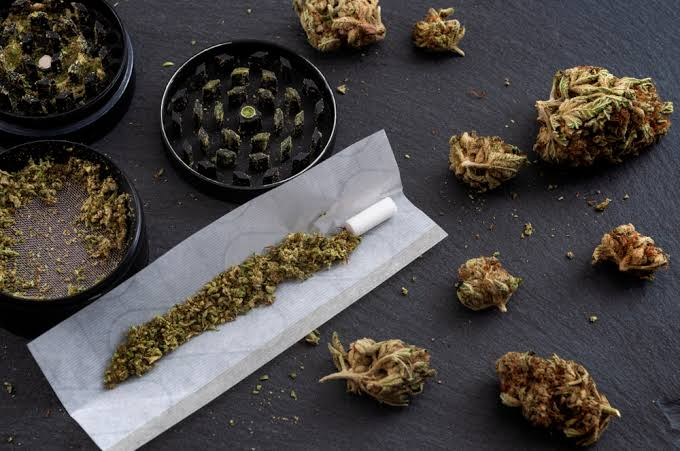
Smoking flower or pre-rolls typically kicks in within 2–10 minutes and lasts 2–4 hours, with an estimated bioavailability of roughly 10–25%. Smoke delivers cannabinoids quickly through the lungs, but the intense heat from a lighter can burn off some cannabinoids before they’re ever inhaled.
Vaping, whether dry herb or concentrates, also tends to take effect in 2–10 minutes and last 2–4 hours, but with a higher estimated bioavailability of around 20–35%. That’s because vaporizing heats cannabis at a more controlled temperature, preserving more cannabinoids and terpenes compared to combustion. A lighter’s flame can exceed 800°C, destroying cannabinoids before inhalation, while vaporizers run at lower, more consistent temperatures — meaning less waste and better absorption.
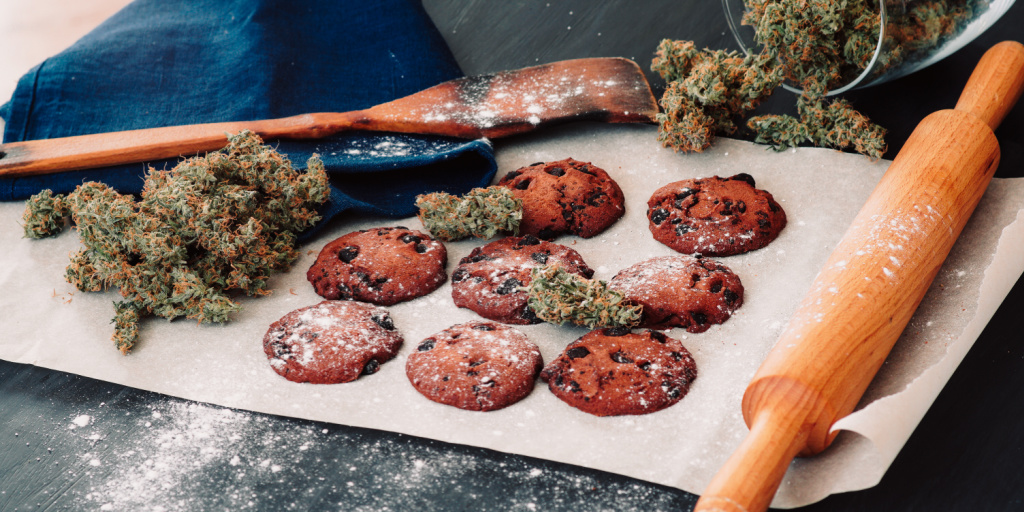
Edibles like gummies, chocolates, and baked goods generally take 30–90 minutes to kick in but can last 4–8 hours or more, with bioavailability around 4–20%. Because edibles pass through your digestive system and liver first (a process known as first-pass metabolism), absorption is reduced — but this process also produces 11-hydroxy-THC, a metabolite that many people find feels stronger and lasts longer. If you’re exploring this category, The Purple Leaf’s edibles selection is a good place to start.
Sublingual products such as tinctures, sprays, and strips have an onset of 15–45 minutes when held under the tongue for 60–90 seconds, with effects lasting 3–6 hours and bioavailability in the range of 40–60%. These absorb through the mucous membranes in your mouth, bypassing most of the digestive process for quicker effects.
Topicals like creams and balms have an onset of 15–60 minutes, with duration varying by product. These are designed for localized relief, and cannabinoids generally don’t enter the bloodstream in any meaningful amount.
If fast onset is what you’re after, inhalation methods like smoking or vaping tend to work quickest. If you’re looking for effects that last longer, edibles or sublinguals are usually the better choice. Browse The Purple Leaf’s full product range to find the format that fits how you want to feel.
The Entourage Effect: Why the Whole Plant Matters
The entourage effect describes the idea that cannabinoids, terpenes, and other plant compounds work together to create a more rounded, balanced experience. This is part of why full-spectrum products often feel different from isolates — they carry the full profile of the plant rather than just a single compound.
A helpful way to picture it: THC might be the lead singer, but the other cannabinoids and terpenes are the instruments shaping the overall sound. If you’ve ever noticed that two products with the same THC percentage feel noticeably different, the entourage effect is likely a big part of the reason why.
Why Everyone’s Experience Is Different
Your ECS is as individual as your fingerprint. Genetics, metabolism, tolerance, and even your mood on a given day can all influence how cannabis affects you. That’s why the golden rule remains the same no matter your experience level: start low and go slow.
It can also help to keep a simple log of what you tried, how much, and how it made you feel. Over time, that record can help you zero in on what actually works best for your body. Our team at The Purple Leaf is always happy to help guide you toward products that match what you’re looking for.
FAQs
Why do edibles feel stronger than smoking?
Largely because your liver converts THC into 11-hydroxy-THC during digestion, a metabolite that many people find more potent and longer-lasting than the effects from inhalation.
What’s the best method for beginners?
A low-dose edible or a mild vape is usually a good starting point. Whatever method you choose, start low and go slow.
Does the entourage effect really make a difference?
Many people report that full-spectrum products feel different from isolates, though individual experiences can vary.
Key Takeaways
The endocannabinoid system helps regulate balance throughout your body. Bioavailability explains why different formats — edibles versus vaping, for example — can feel so different from one another. The entourage effect highlights why whole-plant products often feel more balanced than isolated compounds. And because everyone’s ECS is unique, the best approach is always to start low, go slow, and pay attention to how your body responds.
Cannabis affects everyone differently. Always start low and go slow, and keep in mind that while the effects described above are commonly reported, they can’t be guaranteed for every individual.
Shop related at The Purple Leaf: cannabis flower