

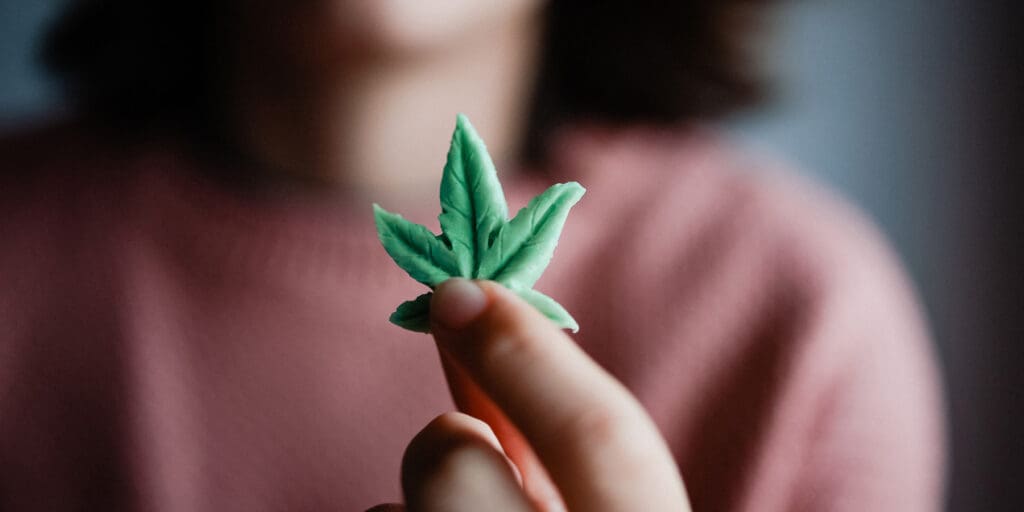
Dry mouth from edibles is temporary, completely normal, and more manageable than most people expect once you understand what’s actually causing it. The short version: cannabinoids slow saliva production by binding to receptors in your salivary glands. It’s not dehydration, even though it feels exactly like intense thirst. Knowing the difference changes how you treat it.
Here’s everything worth knowing — why it happens, how long it lasts, what actually works to relieve it, and how to reduce the severity next time.
What’s Actually Causing It
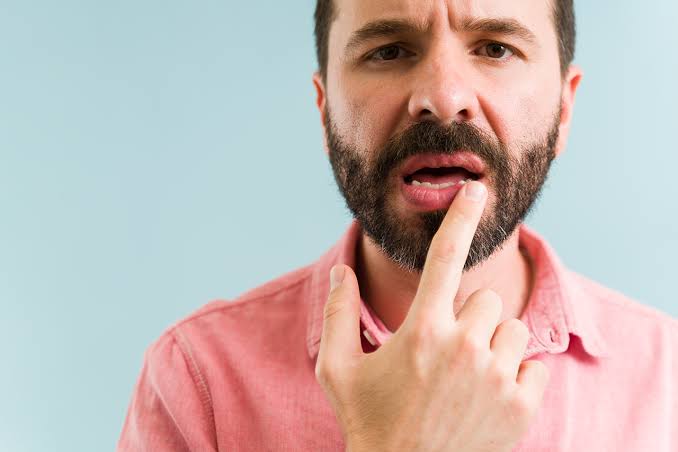
Your salivary glands — particularly the submandibular glands, which produce roughly 70% of your saliva — contain cannabinoid receptors. When THC binds to those receptors after you consume an edible, saliva production slows down locally. The result is the dry, sticky, cotton-like sensation in your mouth that cannabis consumers have been calling cottonmouth for decades.
This is localized receptor activity, not a sign that your body is dehydrated. Your overall fluid levels are fine. The dryness is happening in your mouth specifically because the glands responsible for producing saliva are temporarily suppressed. Drinking water helps with the sensation but doesn’t address the underlying mechanism — the receptors are still bound, and saliva production stays reduced until the cannabinoids clear.
It’s also worth knowing that CBD causes the same effect through the same mechanism. Any cannabinoid product — THC-dominant, CBD-dominant, or balanced — can trigger cottonmouth. It’s not a THC-specific side effect.
How Long It Lasts With Edibles
With smoked or vaped cannabis, cottonmouth typically resolves within one to two hours as the effects wear off. Edibles are different, and the reason ties back to how your body processes them.
When you eat an edible, your liver converts THC into 11-hydroxy-THC — a more potent, longer-lasting metabolite. Because the effects of edibles last significantly longer than inhaled cannabis, all associated side effects last longer too, including dry mouth. Most people experience cottonmouth for four to eight hours after consuming an edible, sometimes longer at higher doses. Your metabolism, the specific product, and how much you consumed all affect duration, but that four-to-eight-hour range holds for most people.
If you’re consuming edibles at night, this compounds with another factor: saliva production naturally decreases during sleep. Combining cannabis-related suppression with the normal overnight dip can leave you waking up noticeably parched. The Purple Leaf’s edibles selection includes lower-dose options that tend to produce milder and shorter-lasting side effects for anyone looking to minimize overnight discomfort.
Quick Fixes That Actually Work
Water and Non-Alcoholic Drinks
Steady sips of water throughout the experience are the most accessible starting point. Water temporarily moistens the mouth and makes the sensation more bearable, though it doesn’t fix the underlying receptor issue. Sipping consistently — rather than drinking a large amount all at once and waiting — is more effective at keeping the mouth comfortable throughout the experience. Avoid alcohol, which compounds dryness and amplifies the cannabis experience in ways that are harder to manage.
Mechanical Saliva Stimulation
This works better than water alone and is worth combining with hydration. Chewing sugar-free gum or sucking on sugar-free hard candy triggers a mechanical salivary response — your glands produce saliva as a physical reaction to the chewing or sucking action, which temporarily counteracts the suppression from cannabinoids. Sour flavours are particularly effective at triggering this response. A slice of lemon or anything with a strong tart character can produce a noticeable salivary response quickly.
Specialized Dry Mouth Products
A few product categories specifically address persistent dry mouth and are worth knowing about.
Oral moisturizing sprays provide immediate lubrication and are available at most pharmacies. They coat the inside of the mouth with a moisture-retaining film that lasts longer than water alone. Oral discs like XyliMelts dissolve slowly over several hours, releasing a steady stream of moisture that works well for extended sessions or overnight use. Moisturizing lozenges and xylitol-based mints stimulate saliva production while also keeping the mouth comfortable between sips.
Alcohol-free mouthwash adds moisture without the drying effect that alcohol-based formulas produce.
Humidification
For nighttime edible use especially, a bedroom humidifier running at 40 to 60% relative humidity reduces the drying effect of the sleeping environment. Combined with a glass of water bedside and an oral disc before sleep, this significantly improves how you feel waking up.
Simple Prevention for Next Time
Getting ahead of dry mouth before it starts is more effective than managing it once it arrives.
Hydrate before you consume. Start drinking water an hour before taking your edible and maintain steady intake throughout the experience. Going in already well-hydrated gives your mouth more moisture to work with before the suppression kicks in.
Eat water-rich foods during the experience. Cucumber, watermelon, oranges, celery, and apples all hydrate while also requiring chewing, which stimulates saliva mechanically. A light snack of water-rich fruit during an edible session addresses dryness on two fronts simultaneously.
Avoid caffeine and alcohol. Both reduce saliva production independently of cannabis, so combining them with an edible compounds the problem. Herbal teas are a good alternative — warm, hydrating, and without the drying effects of coffee or alcohol.
Maintain oral hygiene. Regular brushing and flossing supports the health of the oral tissue and glands between sessions, which reduces baseline sensitivity over time.
Setting realistic expectations is part of prevention too. You can reduce the severity of cottonmouth considerably, but most people won’t eliminate it entirely. The receptor binding happens regardless of how well you’ve prepared. The goal is making it comfortable, not invisible.
Choosing Edibles That Feel Gentler
The severity of dry mouth is directly related to the amount of cannabinoid activating receptors in your salivary glands. Higher doses produce more pronounced and longer-lasting dryness — a 15mg edible binds more receptors than a 5mg one, and your mouth reflects that difference.
Start lower. If cottonmouth has been a significant issue in past edible experiences, trying a lower-dose product is the most effective product-level adjustment available. The experience is milder, the side effects are milder alongside it, and you can work up from a comfortable baseline rather than dealing with uncomfortable side effects at a level that’s too high.
Consider balanced THC to CBD products. There’s evidence suggesting that CBD may partially moderate some of THC’s effects on salivary glands, meaning a balanced 1:1 product can feel gentler in terms of cottonmouth than a THC-only product at the same total THC content. It’s worth trying if you regularly find the dryness uncomfortable.
Look at the extract type. Anecdotally, full-spectrum products that preserve the broader cannabinoid and terpene profile of the plant are reported by some consumers to produce less intense cottonmouth than distillate-based products. The mechanism behind this isn’t fully understood, but the entourage effect — the way multiple cannabinoids and terpenes interact together — may play a role in modulating gland receptor response. The Purple Leaf carries edibles across different extract types and dosage levels to help you find the right fit.
Why It Hits Some People Harder Than Others
Individual sensitivity to cottonmouth varies considerably, and a few factors explain why the same edible affects different people differently.
Baseline saliva production is one variable. Some people naturally produce less saliva than others, which means even modest cannabinoid receptor binding produces a noticeable dryness where someone with higher baseline production might barely register it.
Cannabinoid receptor density in salivary glands varies between individuals, which affects how strongly any given dose suppresses production.
Tolerance plays a role too. Many regular cannabis consumers report that cottonmouth becomes less intense over time as their bodies adapt to repeated cannabinoid exposure. Others find it consistent regardless of frequency. Both responses are common.
Medications compound the effect in a way worth knowing. Antidepressants, antihistamines, and decongestants all reduce saliva production independently. If you take any of these regularly and find cannabis-related dry mouth particularly intense, the stacking of multiple saliva-reducing mechanisms is likely the reason. It’s worth mentioning to your doctor if it becomes a persistent concern.

When to Check In With Your Dentist
Occasional cottonmouth from edibles is a normal, manageable side effect. Persistent dryness beyond cannabis use sessions is a different matter.
Saliva plays an essential role in neutralizing mouth acids and limiting bacterial growth. Without adequate saliva over extended periods, cavity risk increases and gum tissue becomes more vulnerable. If you’re noticing increased sensitivity, more frequent cavities despite consistent brushing, persistent bad breath, cracked lips, or difficulty chewing and swallowing in daily life beyond your cannabis sessions, those are signs worth discussing with a dentist.
This applies particularly to regular, frequent edible consumers combining cannabis use with other medications that suppress saliva production. The compounding effect over time can create real oral health concerns that intermittent use alone is unlikely to cause.
This article is for informational purposes only and is not medical advice. For persistent dry mouth or oral health concerns, please consult a licensed healthcare professional.
Frequently Asked Questions
Is cottonmouth a sign of dehydration?
No. Dry mouth from cannabis is caused by cannabinoids binding to receptors in your salivary glands, which temporarily slows local saliva production. Your overall hydration levels are not reduced. Drinking water helps the sensation but doesn’t resolve the underlying cause — the glands remain suppressed until the cannabinoids clear your system.
Why does dry mouth from edibles last so much longer than from smoking?
Because edibles produce effects that last significantly longer. Your liver converts THC into 11-hydroxy-THC during digestion, a more potent and longer-lasting compound. All effects from edibles — including cottonmouth — persist for the full duration of that extended experience, typically four to eight hours rather than the one to two hours common with inhaled cannabis.
Does CBD also cause dry mouth?
Yes. Cannabinoid receptors in the salivary glands respond to CBD through the same mechanism as THC. Any cannabinoid product, regardless of its THC to CBD ratio, can cause cottonmouth. CBD-dominant or balanced products may produce milder dryness at comparable doses, but the mechanism is the same.
Will drinking a lot of water fix cottonmouth?
Partially. Water temporarily moistens the mouth and makes the experience more comfortable, but it doesn’t address the underlying receptor binding that’s suppressing saliva production. Combining water with mechanical stimulation — sugar-free gum, sour candy, water-rich foods that require chewing — is more effective than water alone.
Does choosing a lower-dose edible reduce cottonmouth?
Yes, generally. Higher cannabinoid doses produce more receptor binding in the salivary glands, which corresponds to more pronounced and longer-lasting dryness. Starting with a lower-dose product and working up is both good general edibles advice and specifically useful for managing this side effect.
Can cottonmouth from edibles affect my dental health?
With occasional use, it’s unlikely to cause lasting oral health issues. With frequent, heavy use — particularly when combined with other medications that reduce saliva production — persistent dryness can increase cavity risk and affect gum health over time. Good oral hygiene habits and regular dental check-ins are sensible precautions for regular edible consumers.
The Bottom Line
Cottonmouth from edibles is one of the most common and least serious cannabis side effects — temporary, manageable, and completely normal. It’s localized saliva suppression caused by cannabinoid receptor binding, not dehydration, and it lasts four to eight hours with edibles because of how your body processes them. Hydrate consistently, use mechanical saliva stimulation, consider specialized oral moisture products for longer sessions, and choose a lower dose if the intensity has been a problem in the past. The right habits reduce it from a nuisance to a barely-noticed part of the experience. Visit The Purple Leaf to explore our edibles selection and find the right format and dose for your routine.
Shop related at The Purple Leaf: edibles