

The honest answer is: it depends on what you’re optimizing for. Vaping and smoking cannabis are genuinely different experiences, not just different delivery methods for the same thing. The core distinction — combustion versus controlled heat — changes the flavour, the smell, the efficiency, and the character of what you feel. Neither format is objectively superior. What matters is which one fits how you actually want to consume.
This guide covers the real differences between the two, what to expect when making the switch, how to get the most out of a dry herb vaporizer if you go that route, and how to decide which format belongs in your regular rotation. Browse The Purple Leaf’s vape and flower selection to explore both formats.
The Core Difference: Combustion vs. Controlled Heat
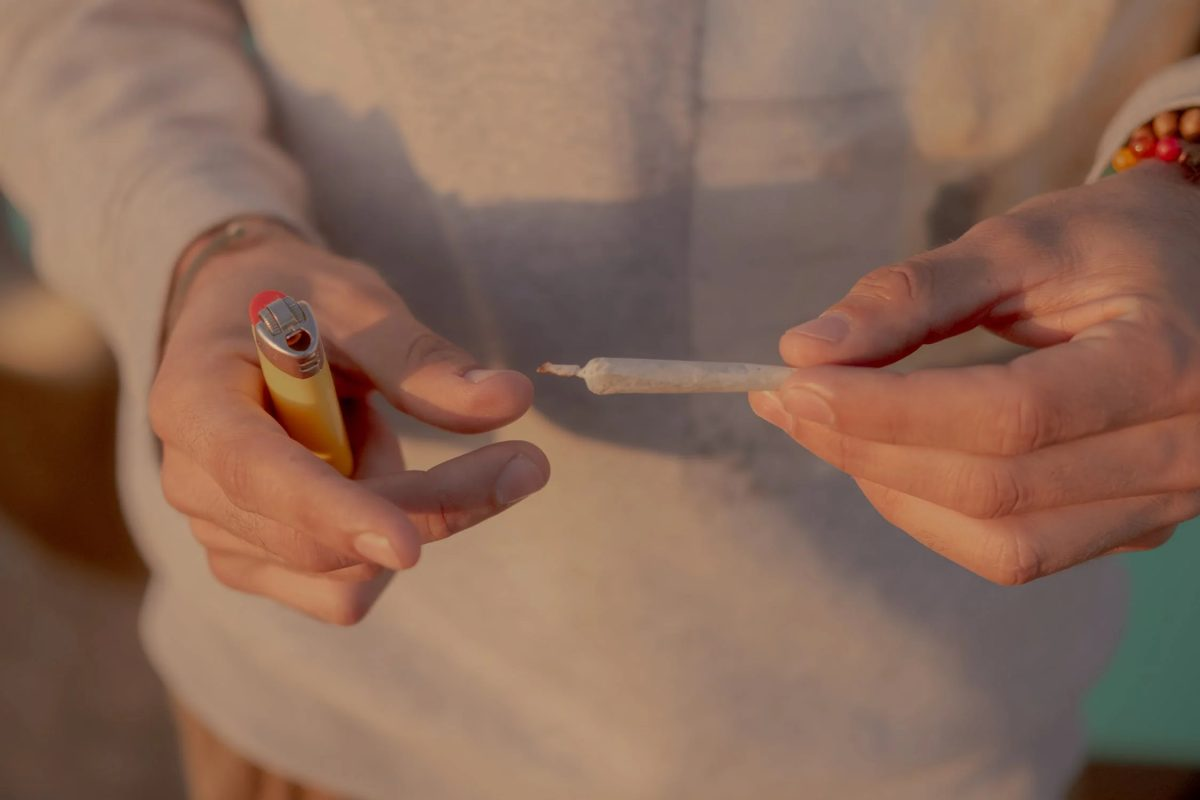
Smoking ignites cannabis flower. A lighter flame reaches temperatures around 900°C, burning plant material and releasing cannabinoids and terpenes alongside every byproduct of combustion: carbon monoxide, tar, acrolein, and a range of other compounds your airways would rather not deal with. The experience is immediate, the aroma is strong, and the throat hit is pronounced.
Vaporizing heats flower below its combustion point, typically between 175°C and 215°C depending on your device and settings. At those temperatures, cannabinoids and terpenes convert to vapour without the plant material actually burning. You get the active compounds without most of the combustion byproducts.
That distinction shapes everything else that follows.
| Factor | Smoking | Vaping (Dry Herb) |
|---|---|---|
| Heat method | Combustion (~900°C) | Convection or conduction (175–215°C) |
| Flavour | Smoke taste dominates | Terpene-forward, cleaner |
| Smell | Strong, lingers for hours | Present but dissipates within 10–30 minutes |
| Efficiency | Sidestream smoke wastes material | More controlled extraction per gram |
| Temperature control | None | Precise, shapes the experience |
| Throat hit | Noticeable | Smoother, less pronounced |
| Setup time | Seconds | 30–60 seconds to heat up |
Does Vaping Feel the Same as Smoking?
Similar in intensity when your technique is dialled in. Different in character.
Smoke has a pronounced throat hit that gives you immediate physical feedback on how much you’ve taken in. Vapour is smoother and cooler, which makes it harder to gauge your intake at first — particularly for newer vapers. This is why the first few sessions with a dry herb vaporizer can feel disappointing even at comparable amounts. The feedback loop you’re used to from smoking isn’t there in the same way, and it takes a few sessions to recalibrate.
The experience itself tends to feel cleaner at equivalent doses. Many consumers describe vapour as producing a clearer, more mentally present quality compared to the same flower smoked. Whether that’s preferable is personal, but the difference is real.
Temperature also shapes how vaping feels in a way that smoking doesn’t allow. Lower temperatures between 175°C and 185°C emphasize terpene expression and produce a lighter, more uplifting result. Higher temperatures between 195°C and 215°C extract more cannabinoids per draw and feel closer to what smokers are accustomed to in terms of intensity. The ability to control that variable is one of the genuine advantages of the format.
The Smell Question
Smoking produces a strong, persistent aroma that clings to furniture, fabric, and hair for hours. Most people in a closed indoor environment know exactly what’s been happening long after the session ends.
Dry herb vaping produces noticeably less odour, and what it does produce dissipates significantly faster — typically within 10 to 30 minutes with basic ventilation. Opening a window or running a fan handles the remaining vapour smell without any elaborate setup. The difference is meaningful for anyone living in a shared space or a building with neighbours in close proximity.
The main variable that affects how much smell a vaporizer produces during use is cleanliness. Residue buildup in the chamber is what creates the persistent, stale smell that some vapers notice accumulating over time. A clean device at a lower temperature setting produces significantly less odour than a residue-heavy one running hot. This is one of the reasons a quick clean after every session matters more than most new vapers expect.
What Temperature Should You Use?
Most experienced dry herb consumers use a temperature progression across a single session rather than sitting at one setting throughout. Different cannabinoids and terpenes activate at different temperatures, and stepping through ranges extracts more from the same amount of flower while giving you more control over the shape of the session.
Start at 175°C to 185°C. This is the flavour range. Delicate terpenes are preserved at lower temperatures and produce the most expressive, strain-true taste. Vapour is lighter and the effects feel more uplifting and clear-headed.
Step up to 195°C to 200°C when vapour production begins to thin. This is where the bulk of cannabinoid extraction happens. The balance between flavour and vapour density is at its most even here, and it’s where most sessions spend the most time.
Finish at 210°C to 215°C to fully extract what remains. At this range the flavour has mostly gone, but you’ll still get a few worthwhile draws before the bowl is done. Your bowl is finished when the material is evenly brown throughout with no green patches remaining and the taste turns toasty rather than flavourful.
This stepped approach gets more out of each gram than sitting at a single temperature throughout, and gives you a naturally varied session experience from start to finish.
How Many Vape Hits Equal a Joint?
Roughly 10 to 15 draws from a dry herb vaporizer are comparable to a standard joint for most people, though the range reflects real variation. Flower potency, device efficiency, draw technique, and temperature all affect where your personal number lands.
The comparison also gets more nuanced when technique is factored in. Short, shallow draws at a single temperature don’t extract the same amount as slow, steady 6 to 10 second draws across a temperature progression. Once technique is dialled in properly, a good vaporizer can match or outperform smoking the same amount of flower in terms of felt effects — which is why efficiency is often cited as one of the clearer practical advantages of vaping over smoking.
Why Your First Session Might Feel Weak
If you’ve just picked up a dry herb vaporizer and found the first session underwhelming compared to smoking, the issue is almost certainly technique rather than the device. A few specific things explain most first-session disappointments.
Grind consistency matters more than with smoking. An overly fine powder grind restricts airflow and produces uneven heating. A medium, consistent grind — coarse sand rather than powder — is what you’re aiming for. The Purple Leaf carries grinders suited to dry herb vaping alongside our flower selection.
Packing too tight blocks airflow. Load the chamber comfortably full with a light tamp rather than compressing the material. A tightly packed bowl is one of the most common reasons a vaporizer underperforms.
Short puffs don’t extract well. Slow, steady draws of 6 to 10 seconds give the heated air time to move through the material and produce consistent vapour. Quick puffs pull air past the flower without extracting effectively.
Stirring extends the bowl. When vapour production starts to thin mid-session, giving the material a gentle stir redistributes it and exposes unheated flower to the chamber. A few more good draws usually follow.
Give yourself three to five sessions to understand your device’s heating patterns and find the draw speed and temperature progression that works for you. The learning curve is short, and most people find their rhythm quickly.
The Cleaning Habit That Changes Everything
The single most underrated factor in vaping performance is how clean the device is. Residue builds up faster than most new vapers expect, and within two or three sessions without cleaning, the taste becomes noticeably harsher and the session quality drops.
The routine that prevents this takes about 30 seconds after every bowl. Empty the chamber while it’s still warm — material sticks more as it cools. Brush out loose flower with the cleaning brush included with most devices. Swab the chamber with a cotton swab lightly dampened with isopropyl alcohol. Let it dry before the next session.
With consistent quick cleans after each use, weekly deep cleaning becomes a straightforward 10-minute task rather than a frustrating scraping job. Devices that aren’t cleaned regularly lose both flavour quality and vapour production much faster than the device itself would suggest — it’s almost always maintenance, not hardware, that’s behind a disappointing vape.
Vaping vs Smoking: Which Format Is Right for You?
Choose vaping if flavour clarity is important to you, you consume in spaces where smell management matters, you want more control over your experience through temperature, or you’re looking to get more from each gram over time.
Choose smoking if the ritual of rolling and lighting is part of why you enjoy cannabis, you want the simplest possible setup with no warm-up time, or the familiar throat hit and immediate feedback of combustion is part of what you’re after.
Many regular cannabis consumers use both depending on the situation — a vaporizer for at-home sessions where flavour and discretion matter, and a pre-roll for something social or outdoor. The formats complement each other more than they compete. The Purple Leaf carries both vape accessories and pre-rolls if you want to keep both options available.

A Starter Session Routine for New Vapers
If you’ve just picked up a dry herb vaporizer and want a reliable starting point, here’s a straightforward routine to work from.
Grind your flower to medium consistency and load the chamber with a comfortable, lightly tamped fill. Start at 180°C and take three to four slow, steady draws of 6 to 10 seconds each. Step to 195°C when vapour starts to thin and take another four to five draws. Optionally finish at 210°C for two to three final draws to fully extract the bowl.
Empty the chamber while it’s still warm, brush out loose material, and give it a quick swab. The whole clean-up takes under a minute.
Success looks like smooth vapour, noticeable effects within 5 to 10 minutes, spent material that’s evenly brown throughout with no green remaining, and minimal smell that clears with a few minutes of ventilation.
Common Questions About Vaping vs Smoking
Is vaping less harsh than smoking?
Generally yes. Without combustion byproducts in the vapour, the draw is smoother and cooler on the throat and airways than smoke from a joint or pipe. Many people who find smoking harsh on their lungs find dry herb vaping significantly more comfortable.
Does vaping smell less than smoking?
Yes, meaningfully so. Vapour dissipates within 10 to 30 minutes with basic ventilation. Smoke from a joint lingers on surfaces, fabric, and in the air for hours. The difference is particularly significant for indoor sessions.
Does vaping get you higher than smoking?
At equivalent amounts with good technique, effects are comparable. Some consumers find vaping feels cleaner and slightly more efficient per gram once technique is dialled in. The biggest variable is how well you’re extracting — a well-run vaporizer with proper temperature stepping can match or exceed smoking the same amount of flower.
Do I need an expensive vaporizer?
No. Devices in the $100 to $200 range with reliable, precise temperature control deliver comparable performance to significantly pricier flagships for most consumers. What matters is consistent temperature accuracy, an oven design you can clean easily, and a comfortable draw. Bluetooth connectivity and companion apps don’t meaningfully affect the session quality you’re actually after.
How often should I clean my vaporizer?
A quick swab after every bowl and a full clean weekly. Consistent quick cleans make a bigger difference to long-term performance than any other single habit.
The Bottom Line
Vaping isn’t categorically better than smoking, and smoking isn’t categorically better than vaping. They’re different tools that suit different preferences and situations. Vaping offers more control, better flavour preservation, significantly less lingering smell, and more efficiency per gram once technique is established. Smoking offers simplicity, familiarity, and a ritual that many consumers genuinely enjoy. Knowing what each format actually delivers makes the choice straightforward for your routine. Visit The Purple Leaf to explore our flower and vape selection and find the right fit for how you like to consume.
Shop related at The Purple Leaf: vapes · cannabis flower