

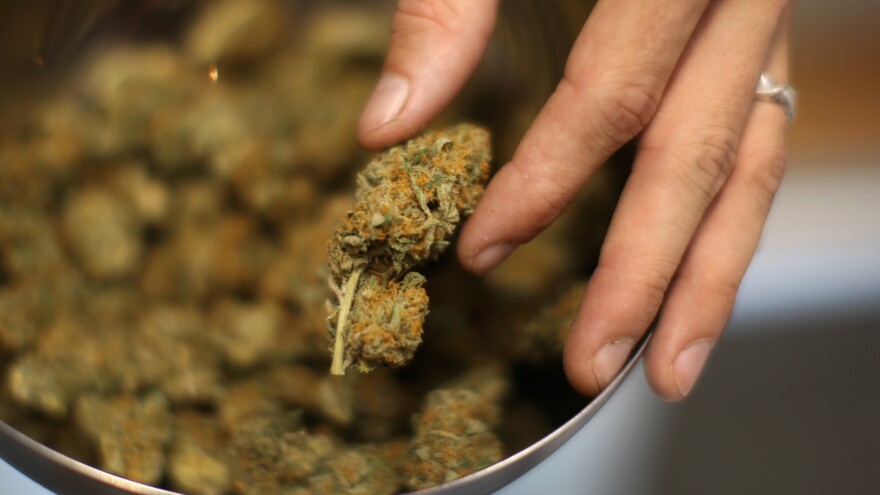
Walk through any cannabis menu and the price variation is immediately apparent. Two 3.5-gram packages of flower sitting side by side — one at $25, one at $55 — and no obvious explanation printed on either label for why the gap exists. A vape cartridge at $30 next to one at $65 with similar-sounding descriptions. A budget ounce at $20 and a craft ounce at $180.
Understanding what drives those differences is genuinely useful — not just for spending less, but for spending smarter. Here’s a complete breakdown of why some cannabis costs more than others, what the price difference actually reflects, and how to find the best value for what you’re specifically looking for.
The Fundamental Principle — Price Reflects Production Cost and Quality
Before getting into specifics, the governing principle is worth stating clearly: cannabis pricing largely reflects what went into producing the product. Like any agricultural product, the inputs — labour, genetics, equipment, time, processing — accumulate from seed to shelf and are eventually reflected in the price you pay.
This doesn’t mean expensive cannabis is always better for your needs. It means expensive cannabis is typically different — reflecting specific quality attributes, production methods, or characteristics that may or may not be relevant to what you’re actually looking for.
A budget ounce from The Purple Leaf at $20 is not the same product as a premium AAAA craft ounce at $180 — but for a user who primarily rolls joints and values volume over visual quality, the budget ounce may deliver significantly better value per session than the premium alternative.
Browse our budget ounce deals and full flower menu to see the full pricing spectrum currently available.

What Actually Makes Cannabis More Expensive
1. How It Was Grown — Cultivation Method
The growing environment is one of the most significant cost drivers in cannabis production, and it explains a meaningful portion of the price difference between budget and premium flower.
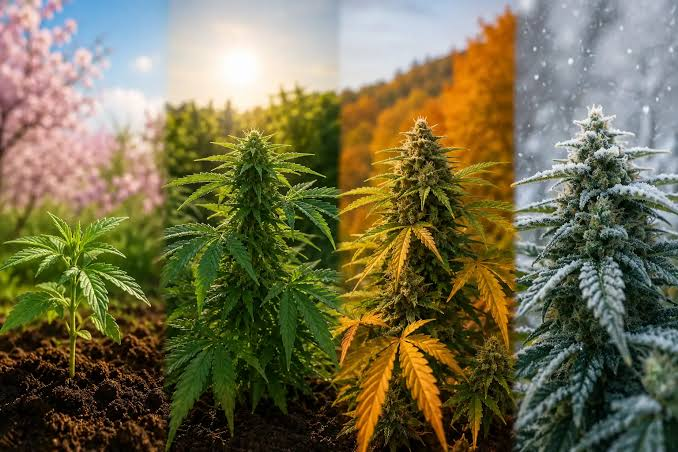
Indoor cultivation — growing cannabis in fully controlled environments under artificial lighting — produces the most visually impressive, terpene-rich, and potent flower available. It also carries the highest production cost. Controlled lighting systems, climate management, HVAC, humidity control, and the labour required to maintain a perfect growing environment all add up. These costs are eventually embedded in the per-gram price of indoor-grown cannabis.
The trade-off for that cost is quality — indoor-grown cannabis under optimal conditions produces flower with exceptional trichome density, vivid colours, complex aromas, and strong cannabinoid expression. Most of the premium AAAA craft cannabis you’ll find on menus at The Purple Leaf is the product of indoor cultivation.
Greenhouse cultivation offers a middle path — natural sunlight augmented by artificial lighting and climate control. Production costs are lower than fully indoor growing but higher than outdoor, and the resulting product typically sits in the mid-range quality tier.
Outdoor cultivation uses sunlight as the primary energy source, dramatically reducing production costs. Well-grown outdoor cannabis can be excellent — some of the most terpene-rich cannabis in the world has been grown outdoors in ideal climates. However, the lack of environmental control makes consistency more challenging, and outdoor-grown cannabis typically occupies the budget and mid-range quality tiers in the legal Canadian market.
2. Genetics and the Pheno-Hunting Process
Not all cannabis seeds are created equal — and the genetics of a strain significantly influence both its quality ceiling and the cost involved in bringing it to market.
Premium genetics — proprietary strains, exclusive crosses developed through years of selective breeding — cost significantly more to source, maintain, and grow than widely available commercial strains. When a licensed producer has invested years into developing a specific genetic line with unique characteristics, that investment is reflected in the price of the final product.
Pheno-hunting — the process of growing many individual plants from the same genetic stock and selecting the single best-expressing specimen for production — is a time-intensive quality assurance practice that further increases production cost. The selected phenotype may represent one exceptional plant out of dozens grown to find it. The cost of all those unchosen plants is absorbed into the price of the product that makes it to market.
The practical implication: proprietary and pheno-hunted genetics typically appear at the premium end of the menu. Generic, widely available strains appear at accessible price points that reflect lower genetics costs.
3. Trimming — Hand vs Machine
After harvest, cannabis buds must be trimmed — the removal of sugar leaves and stems to produce the final consumer-ready flower. How this trimming is done meaningfully affects both the product quality and the production cost.
Hand-trimming is performed by skilled workers who carefully shape each bud individually. The result is a more precise, visually attractive, fully intact flower with undisturbed trichomes and preserved structure. It is also significantly more expensive — skilled labour at scale is one of the highest costs in cannabis production.
Machine trimming is faster and less expensive but less precise. Trimming machines can be rough on delicate buds — knocking trichomes loose, flattening bud structure, and producing a less visually polished final product. Machine-trimmed cannabis is a practical production solution for high-volume budget products where price is the priority.
On a dispensary menu, this difference typically shows up as the distinction between AA/AAA grade flower and premium AAAA craft. The physical appearance of the bud — the density, the structure, the visible trichome coverage — often reflects which trimming approach was used.
4. Curing — The Time Investment
After trimming, cannabis must be cured — a controlled drying and aging process that develops flavour complexity, smooths out the smoke or vapour, and allows the terpene profile to fully express itself. Done correctly, curing takes weeks to months. Done poorly or rushed, it produces harsh, flat-tasting cannabis with diminished aroma.
Extended, carefully managed curing is a genuine investment — not just in time but in the controlled environment required to maintain the right temperature and humidity across the curing period. Producers who invest in proper curing produce a meaningfully different and better final product than those who rush the process to move inventory faster.
The difference between properly cured and rushed cannabis is most apparent in the aroma and smoke quality. Properly cured flower opens with a rich, complex scent and burns evenly with a smooth, flavourful draw. Under-cured cannabis smells flat, burns harshly, and lacks the terpene complexity that makes premium cannabis worth the price.
5. Terpene Profile and Cannabinoid Expression
The terpene profile of a cannabis strain — the specific aromatic compounds that give each strain its distinctive smell, flavour, and effect character — is closely tied to price at the premium end of the market.
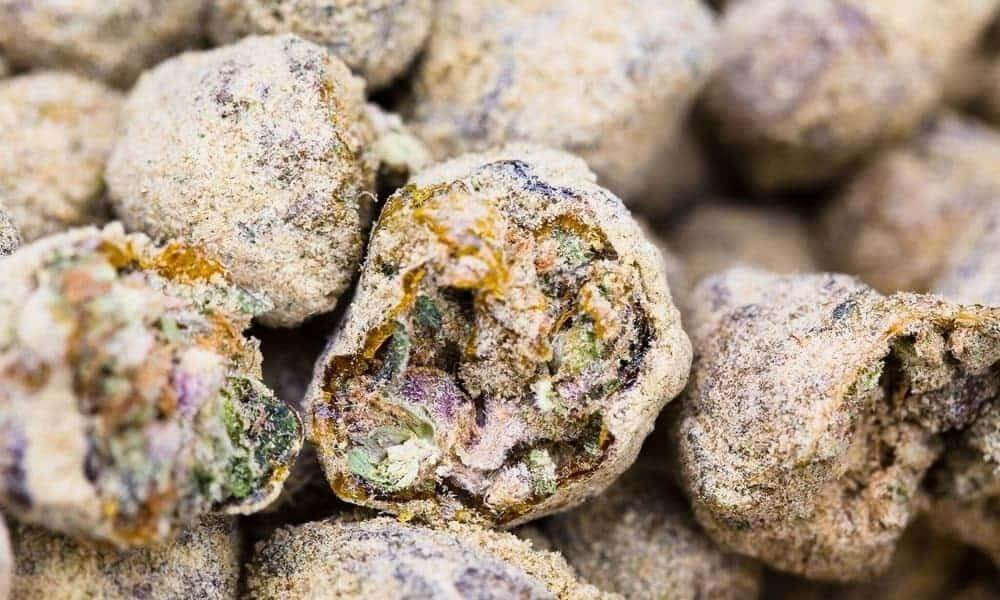
High-terpene cannabis requires careful cultivation, precise harvest timing, and thoughtful curing to preserve the delicate aromatic compounds that are easily degraded by heat, light, and mishandling. The most terpene-rich cannabis is also frequently the most expensive — because achieving that terpene expression requires doing everything right at every stage of production.
Beyond terpenes, cannabinoid expression matters. Cannabis with consistently high and accurately verified THC percentages reflects genetic selection, optimal cultivation conditions, and proper testing — all of which cost money to achieve.
This is also why products like live resin and hash rosin command premium prices in the concentrates category — their specific production methods are designed to capture and preserve the maximum possible terpene content, and that preservation comes at a cost.
6. Processing Method — For Concentrates, Vapes, and Edibles
For cannabis products beyond flower, the processing method is a major cost driver. Converting raw cannabis into a refined concentrate, a pre-filled vape cartridge, or a precisely dosed edible involves additional equipment, expertise, and labour that accumulates into the final price.
Concentrates: The production method determines both quality and cost. Solventless concentrates like hash rosin — which require ice water extraction followed by heat and pressure pressing — are labour-intensive with relatively low yields, driving up per-gram cost compared to solvent-based products like shatter or distillate that can be produced more efficiently at scale.
Vape cartridges: The oil type inside the cartridge is a significant cost variable. Live resin cartridges — using fresh-frozen extraction to preserve terpenes — cost significantly more to produce than standard distillate cartridges. The hardware itself also varies — ceramic coil cartridges with quality components cost more than basic metal coil alternatives. Browse our vapes and cartridges section to compare currently available options.
Edibles: Precise dosing, food-grade production facilities, flavour development, and packaging that meets Health Canada’s requirements for cannabis-infused food products all add cost layers that make edibles more expensive per milligram of THC than equivalent flower. Browse our edibles menu.
7. Packaging
Packaging is a visible and understandable cost differentiator. Cannabis in a simple resealable foil pouch costs less to package than cannabis in an airtight glass jar with a humidity pack, a custom-designed label, and tamper-evident sealing.
Better packaging genuinely preserves product quality better — an airtight UV-blocking glass jar maintains freshness, terpene content, and potency over a longer period than a basic foil bag. Investing in better packaging is ultimately an investment in product longevity.
However, not all packaging premiums reflect quality differences. Some brands invest in elaborate packaging that is more about visual identity than functional preservation. Learning to distinguish packaging that genuinely contributes to product quality from packaging that primarily serves marketing purposes is a useful consumer skill.
8. Batch Size and Brand
The economics of scale apply directly to cannabis pricing. A small craft producer growing 50 plants in a boutique indoor facility has a much higher per-unit production cost than a licensed large-scale producer growing thousands of plants under commercial conditions. Those higher per-unit costs appear in the price of craft cannabis — which is why small-batch, artisan-labelled cannabis consistently sits at the top of the price range.
Established brand reputation also contributes to pricing — brands that have consistently delivered quality over time can charge a premium that reflects consumer trust built through repeated positive experience.
Understanding Cannabis Quality Grades
The legal Canadian cannabis market uses quality grading as the primary framework for communicating the price-quality relationship to consumers. Here’s what the grades actually mean.
AA Grade — budget-tier cannabis. Functional, properly tested, and appropriate for everyday use. May have smaller bud size, less precise trimming, and a somewhat less complex terpene profile than higher grades. Represents the best per-gram value for users who prioritise volume and affordability over visual quality. Our budget ounce program starts at $20.
AAA Grade — mid-range cannabis. Better visual quality, more consistent bud structure, more precisely trimmed, and typically a richer terpene expression than AA. The sweet spot for many regular cannabis consumers — meaningful quality improvement over budget tiers at an accessible price premium.
AAAA Grade — premium craft cannabis. The best-grown, most visually impressive, most aromatic, and highest-potency flower available in the legal market. Hand-trimmed, properly cured, from selected genetics, grown under optimal indoor conditions. Priced to reflect the substantial production investment behind every gram.
All grades available at The Purple Leaf are tested and accurately labelled — the grade reflects quality attributes, not testing standards.

Common Pricing Mistakes — What to Avoid
Judging Solely by THC Percentage
THC percentage has become the default quality metric in cannabis retail — and it is genuinely overused as a purchasing criterion. The highest-THC flower on the menu is not automatically the best value or the best experience.
Terpene profile, cultivation quality, freshness, and overall cannabinoid expression collectively determine the character and satisfaction of a cannabis experience in ways that THC percentage alone cannot predict. A 17% THC strain with an exceptional terpene profile will frequently outperform a 28% THC strain with negligible terpene content in terms of overall experience quality.
Shop by considering the full picture — THC percentage is one data point, not the complete story.
Comparing Price Across Different Product Formats
Comparing the price per gram of flower to the price per gram of a vape cartridge or concentrate is not a meaningful comparison. Different formats have fundamentally different production cost structures, different potency profiles, and different consumption efficiencies.
A gram of live resin concentrate at 80% THC contains four times the cannabinoid content of a gram of 20% flower — meaning you need a fraction of the quantity per session to achieve equivalent effects. When you factor in consumption efficiency, the per-session cost of a premium concentrate can be lower than budget flower for experienced users with high tolerance.
Compare within categories — flower to flower, vape to vape — and factor in how much you actually use per session rather than simply comparing sticker prices per gram.
Ignoring the Package Date
Legal cannabis packaging must include a package date — the date the product was sealed for sale. This date is one of the most useful and most overlooked quality indicators on any cannabis product.
Fresher packaging means more intact terpenes, better aroma, smoother smoke, and more vibrant overall quality. Discounted or clearance cannabis is frequently older stock — which is a legitimate reason to consider the trade-off before choosing based on price alone.
At The Purple Leaf, we rotate our inventory regularly to ensure the freshest possible product reaches our customers. If you have questions about the freshness of a specific product, our team is available at 519-777-9498 — always happy to help.
A Smart Shopper’s Framework for Cannabis Pricing
Start with format. Your preferred consumption method determines your price comparison category. Settle on whether you want flower, vapes, edibles, or concentrates before comparing prices — then compare within that category.
Identify your priority. Maximum volume and affordability? Budget AA ounces are the answer. Best terpene expression and craft quality? Premium AAAA flower is worth the premium. Convenience and portability? A quality vape cartridge may deliver better session-to-session value than flower despite the higher per-gram sticker price. Knowing your priority prevents paying for attributes you don’t actually want.
Check THC and CBD alongside the terpene description. The cannabinoid content gives you potency information. The strain description and listed terpenes give you effect and flavour direction. Both together are more useful than either alone.
Check the package date. Always. It tells you more about real-world quality than the grade on the label in many cases.
Consider per-session cost, not just per-gram. For concentrates and high-potency products especially, the relevant number is what you spend per actual session — not per gram on the shelf. A more expensive, more potent product may produce more sessions per gram than a cheaper, less potent alternative.
Take advantage of deals. The Purple Leaf runs weekly promotions, rotating sales, and our budget ounce program starting at $20. New customers who subscribe to our newsletter receive 10% off their first order with code PRIMETIME. The best value cannabis on any given week is the currently promoted product that matches your consumption preferences — checking regularly is worth doing.
Frequently Asked Questions
Why is some weed more expensive than others? Cannabis price differences reflect cultivation method, genetics, trimming and curing quality, processing method, packaging, and batch size. Expensive cannabis is not automatically better — it reflects specific quality attributes and production costs that may or may not be relevant to your particular needs. Browse our full menu at thepurple-leaf.com.
Is higher THC cannabis worth paying more for? Not necessarily. THC percentage is one quality indicator among many. Terpene profile, cultivation quality, freshness, and overall cannabinoid balance collectively determine the experience in ways that THC percentage alone cannot predict. Some of the most satisfying cannabis experiences come from moderate-THC strains with rich terpene expression.
What is the difference between AA, AAA, and AAAA cannabis? Quality grades reflect visual quality, bud structure, trimming precision, terpene richness, and overall cultivation standard. AA is budget-tier — functional and tested, best per-gram value. AAA is mid-range — meaningful quality improvement at a modest premium. AAAA is premium craft — the best visual quality, aroma, and potency from optimal cultivation conditions.
Why is cannabis flower cheaper than vapes or edibles? Processing cannabis into a vape cartridge or edible adds significant cost — extraction equipment, specialised facilities, hardware, formulation development, and packaging that meets cannabis food product requirements. These additional production stages are reflected in the higher per-gram price compared to raw flower.
Is budget cannabis from a licensed retailer safe? Yes. All cannabis sold by licensed retailers in Canada — including budget and AA-grade products — must meet Health Canada’s mandatory testing requirements for potency, pesticides, heavy metals, and microbial contamination. Grade reflects quality attributes, not safety standards.
Where can I find the best value cannabis in London, Ontario? The Purple Leaf offers one of the most competitive pricing structures available from any licensed Ontario retailer — including budget ounces starting at $20, weekly promotions across all categories, and bulk pricing that rewards larger purchases. Browse our full menu at thepurple-leaf.com or call 519-777-9498.
Shop Smart at The Purple Leaf — Value Across Every Budget
Whether you’re looking for a $20 budget ounce or a premium AAAA craft selection, The Purple Leaf has the range, the knowledge, and the honest pricing to help you find the right product for what you’re actually looking for.