

How long a cannabis high lasts is one of the most searched questions among both new and returning cannabis users — and one with a genuinely variable answer. Unlike alcohol, where the standard drink calculation gives a reasonably predictable timeline, cannabis duration depends on a combination of factors that interact differently for every individual and every session.
The honest answer ranges from 1 hour to 12 hours or more depending on how you consumed, how much you consumed, which product you used, and how your specific biology processes THC. This guide covers the complete picture — what determines duration, what to expect from each consumption method, and how to manage your experience intelligently.
The Short Answer — Duration by Consumption Method
Before diving into the detail, here’s the practical reference most people are looking for.
Smoking or vaping flower: 1–3 hours. Effects peak within 30 minutes and taper gradually over the following 1–2 hours.
Vaping a cannabis oil cartridge: 1–3 hours. Very similar to smoked flower in onset and duration profile.
Cannabis concentrates (dabbing): 1–3 hours. Faster and more intense onset than flower but comparable overall duration. The intensity is higher — the window is not necessarily longer.
Cannabis edibles: 4–8 hours. Sometimes longer. The most significant departure from inhaled cannabis in terms of both intensity and duration. High doses can produce effects lasting 10–12 hours or more.
Cannabis capsules: 4–8 hours. Pharmacologically identical to edibles.
CBD products: Non-psychoactive — no high. Wellness effects typically persist for 4–6 hours but without any impairment.
Why Cannabis Duration Varies So Much — The Key Factors
Consumption Method — The Biggest Variable
The route by which THC enters your body is the single most significant determinant of how long the high lasts — and the difference between methods is dramatic rather than incremental.
Inhaled cannabis (smoking and vaping) delivers THC through the lungs directly into the bloodstream, which carries it to the brain within minutes. This fast-track pathway produces rapid onset and a predictable, relatively contained duration — typically 1–3 hours for most users.
Edibles follow a completely different pathway. THC travels through the digestive system and is processed by the liver, where it is converted into 11-hydroxy-THC — a metabolite that crosses the blood-brain barrier more effectively than inhaled THC and produces a more intense, significantly longer-lasting effect. The liver metabolism adds considerable time to both the onset (30 minutes to 2 hours) and the total duration (4–8 hours minimum).
This pharmacological difference is why the same amount of THC consumed as an edible produces a longer and more intense experience than the same amount smoked. They are not equivalent consumption events — they are different pharmacological experiences that happen to involve the same cannabinoid.
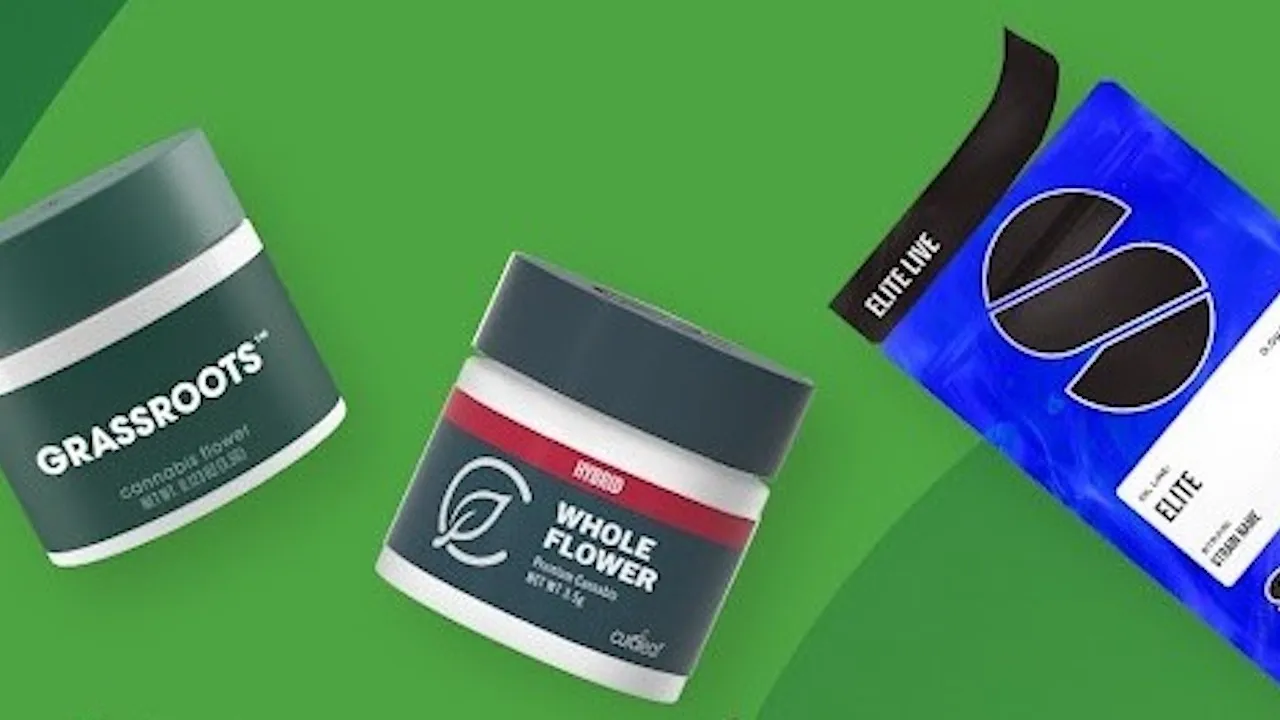
Browse our full range of flower, vapes, edibles, and capsules at The Purple Leaf.
Dose — More THC Means Longer Duration
The amount of THC consumed directly influences how long the high lasts — not just how intense it is. Higher doses take longer to metabolise fully, extending the duration of the experience beyond what lower doses at the same potency would produce.
This relationship is particularly pronounced with edibles. A 5 mg THC edible might produce effects lasting 4–5 hours for a moderate-tolerance user. The same user consuming 20 mg might experience effects for 8–10 hours or more. The dose-duration relationship is not perfectly linear — but it is real and practically significant.
For new cannabis users specifically, the most important implication is that starting low doesn’t just reduce intensity — it also reduces the duration of the experience, making it more manageable and shorter-lived if it becomes uncomfortable.

THC Potency of the Product
Products with higher THC percentages deliver more cannabinoid per dose — extending the duration alongside increasing the intensity. A single draw from an 85% THC concentrate cartridge delivers significantly more THC than the same draw from a 65% distillate — and the duration of the resulting effect will reflect that difference.
This is one reason why cannabis concentrate users — including users of shatter, live resin, and hash rosin — often report longer duration highs than flower users consuming the same number of inhalations. The concentration of THC per draw is substantially higher.
Your Personal Tolerance
Regular cannabis users develop tolerance to THC through repeated exposure — a downregulation of CB1 receptors that reduces the intensity and duration of the psychoactive effect at a given dose over time. An experienced daily cannabis user and a first-time user consuming identical products will have dramatically different duration experiences.
For regular users, tolerance means that the same dose produces shorter and less intense effects over time — driving many experienced users toward higher doses or more potent products to maintain equivalent experiences. For first-time users, the complete absence of tolerance means that what a regular user considers a modest dose can produce a longer and more intense experience than they anticipated.
Tolerance breaks — periods of abstaining from cannabis entirely — reset CB1 receptor sensitivity and restore responsiveness to lower doses. Even a one-week break meaningfully restores sensitivity for most regular users.
Body Composition and Metabolism
THC is fat-soluble — it dissolves in and is stored within fatty tissue. This has two practical implications for duration.
First, body fat percentage influences the volume of distribution of THC — how widely it spreads through the body. Users with higher body fat percentage may experience slightly longer-lasting effects as THC is distributed into and slowly released from fatty tissue.
Second, individual metabolic rate — specifically the efficiency of liver enzymes CYP2C9 and CYP3A4 that metabolise THC — varies between individuals based on genetics. Fast metabolisers process THC more quickly, shortening the duration. Slow metabolisers process it more slowly, extending the experience. This genetic variation is one reason why two people of similar size and tolerance can consume the same product and have noticeably different duration experiences.
Food Intake
The presence or absence of food in the stomach significantly affects edibles duration and onset. Consuming edibles on an empty stomach produces faster, more intense, and potentially shorter-peak experiences as THC is absorbed rapidly without competing food content.
Consuming edibles after a fatty meal delays onset considerably — up to two hours — but can produce a more sustained, even-keeled experience as the cannabis oil is absorbed gradually alongside dietary fat. The total duration may actually be longer with a full-stomach consumption than an empty-stomach one for some users.
For inhaled cannabis, food intake has minimal impact on duration.
The Specific Strain and Terpene Profile
Beyond THC percentage, the terpene profile of a cannabis strain contributes to the character and duration of the experience through the entourage effect — the interaction between cannabinoids and terpenes that shapes the overall pharmacological profile of a product.
Strains with high myrcene content — common in indica-dominant genetics — tend to produce more sedating, longer-feeling effects than equivalent THC doses in low-myrcene sativa strains. The sedation and physical heaviness of myrcene-forward indicas can extend the subjective experience of the high even when the total duration in hours is comparable.
CBD content also matters. Products with significant CBD alongside THC produce a more moderated, often slightly shorter-feeling psychoactive experience than pure THC products — the CBD’s regulatory effect on CB1 receptor activity gently moderates the THC’s duration alongside its intensity.
Detailed Duration Guide — What to Expect From Each Format
Smoking Cannabis Flower
Onset: 2–10 minutes Peak: 20–40 minutes Total duration: 1–3 hours
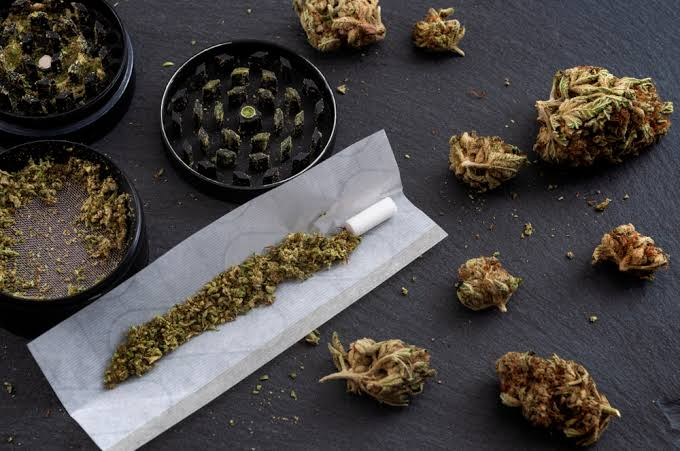
Smoking is the fastest-onset, most predictable-duration method available. Effects arrive quickly, peak within the first hour, and taper gradually over the following 1–2 hours. The total experience is relatively contained — making it the most practical format for recreational use where you want the experience to fit into a defined window of time.
Browse our full flower menu including indica, sativa, and hybrid strains across quality grades at The Purple Leaf.
Vaping (Flower or Oil Cartridges)
Onset: 2–10 minutes Peak: 15–30 minutes Total duration: 1–3 hours
Vaping produces a comparable duration profile to smoking — fast onset, predictable taper. Many users find that vaping produces a slightly cleaner-feeling experience than smoking, with the peak feeling more distinct and the taper more gradual. The absence of combustion byproducts may contribute to this difference.
Browse our vapes and cartridges section for currently available options.
Cannabis Concentrates (Dabbing)
Onset: Immediate to 2 minutes Peak: 10–30 minutes Total duration: 1–3 hours
The onset of a concentrate dab is nearly instantaneous and the peak intensity is significantly higher than flower or oil cartridges at comparable quantities. However, the total duration is broadly similar to other inhaled methods — 1–3 hours for most users. The primary difference is intensity rather than time.
The high potency of concentrates — particularly products like live resin and hash rosin at 70–85% THC — means that even a small dab delivers a significant THC load that can extend duration beyond what smaller doses would produce. Browse our full concentrates menu.
Cannabis Edibles
Onset: 30 minutes to 2 hours Peak: 2–4 hours after consumption Total duration: 4–8 hours (sometimes 10–12 hours at higher doses)
Edibles are in a category of their own for duration. The liver metabolism of THC into 11-hydroxy-THC produces effects that are more intense and significantly longer-lasting than any inhaled method. For most users at moderate doses (5–10 mg THC), expect a total experience of 4–6 hours. At higher doses (20 mg+), 8–12 hours is not unusual.
The practical implication: never consume edibles if you have commitments within the next 8 hours. This is not a guideline — it is a planning requirement. Browse our edibles menu for available low and moderate dose options.
Cannabis Capsules
Onset: 30–90 minutes Peak: 2–3 hours after consumption Total duration: 4–8 hours
Pharmacologically identical to edibles, capsules produce the same extended duration profile. They are slightly more predictable in onset timing than gummies or baked goods due to their simpler formulation — less variation in absorption rate from batch to batch. Browse our capsules at The Purple Leaf.
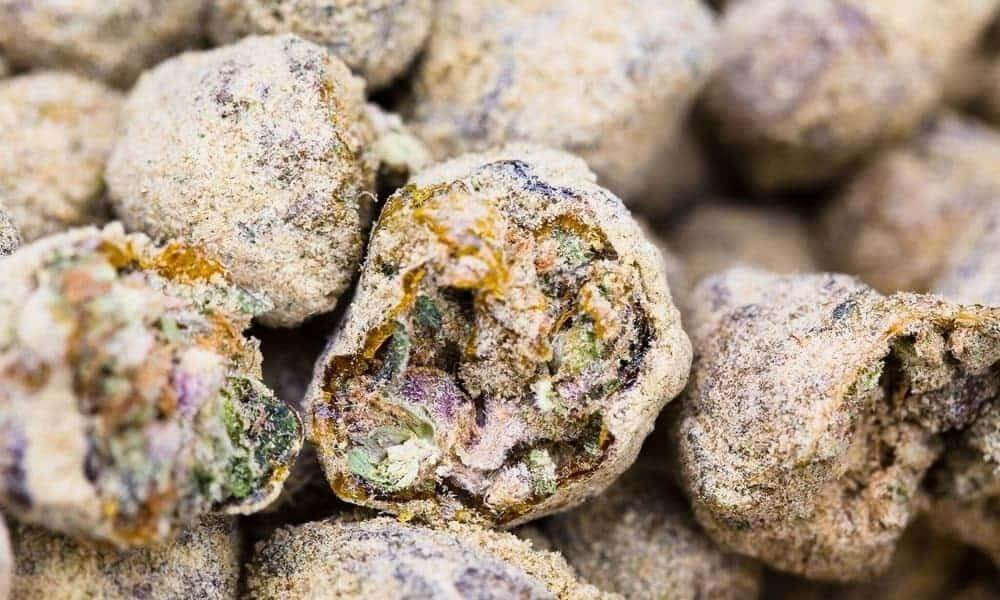
Pre-Rolls and Moon Rockets
Pre-rolls: 1–3 hours — identical to smoking flower. Moon Rockets: 2–4 hours. The concentrate coating and kief exterior of Moon Rockets deliver significantly more THC per session than a standard pre-roll — extending the duration meaningfully beyond standard flower. Browse our pre-rolls and Moon Rockets.

How to Manage Duration — Practical Strategies
If You Want a Shorter Experience
Choose inhaled formats (flower, vape, pre-roll) over edibles or capsules. Start with a lower dose — less THC means shorter duration as well as reduced intensity. Choose products with higher CBD content — the CBD moderates duration slightly alongside intensity. Have a tolerance break before your session to ensure you’re not escalating dose to compensate for built-up tolerance.
If You Want a Longer Experience
Edibles and capsules are the clear choice — their 4–8 hour duration is genuinely sustained in a way that inhaled products cannot match. Consume on a moderately empty stomach for faster onset without significantly shortening duration. Choose indica-dominant edibles for a more sedating, body-focused extended experience better suited to sleep or extended relaxation.
If You’ve Consumed Too Much and the Duration Feels Overwhelming
The most important thing to understand: the experience will end. Cannabis highs — however intense — are self-limiting. They will not last forever, and there is no lasting physical danger to a healthy adult from consuming too much cannabis.
Practical management strategies: find a calm, comfortable environment, stay hydrated, use CBD if you have it available (it moderates some of the anxiety-producing effects of THC), breathe slowly and deliberately, and remind yourself that the experience is temporary.
Do not consume more cannabis in an attempt to “balance out” an overwhelming experience — this will extend rather than shorten the duration.
How Long Does THC Stay in Your System After the High?
This is a distinct question from how long the high lasts — and an important one for anyone subject to drug testing.
THC metabolites are detectable in urine well beyond the duration of any psychoactive effect. Detection windows are influenced by frequency of use:
Occasional users (once per week or less): Urine detection typically 3–4 days after last use. Moderate users (a few times per week): 5–7 days. Regular daily users: Up to 30 days or more.
Blood tests detect THC for a much shorter window — typically 1–2 days for occasional users. Hair follicle tests can detect THC metabolites for up to 90 days.
The key point for cannabis users to understand: you can be no longer psychoactively impaired while still testing positive for THC metabolites. The detection window and the impairment window are completely different timelines.
Frequently Asked Questions
How long does a cannabis high last? It depends on the consumption method. Inhaled cannabis (smoking, vaping) typically lasts 1–3 hours. Cannabis edibles and capsules last 4–8 hours or more. Cannabis concentrates produce intense but similarly timed effects to inhaled flower — 1–3 hours. Browse products at thepurple-leaf.com.
Why do edibles last so much longer than smoking? Edibles are processed through the digestive system and metabolised by the liver into 11-hydroxy-THC — a more potent metabolite that crosses the blood-brain barrier more effectively and produces a longer-lasting effect than inhaled THC at equivalent doses.
Does a higher THC percentage mean a longer high? Generally yes — higher THC content per dose produces longer duration alongside greater intensity. This is particularly relevant for concentrates at 70–85% THC compared to flower at 15–25% THC.
How long does the high last from a Moon Rocket? Moon Rockets combine flower, cannabis oil, and kief — delivering significantly more THC than a standard pre-roll. Most users experience 2–4 hours of effect compared to 1–3 hours from a standard joint. Browse our Moon Rockets at The Purple Leaf.
Can you shorten a cannabis high if it’s too intense? You cannot reliably accelerate the metabolism of THC once consumed. The most effective strategies are environmental — find a calm space, stay hydrated, use CBD if available, breathe slowly, and wait. The experience will end.
How long does THC stay in your system for drug testing? Detection windows vary: 3–4 days for occasional users, up to 30 days for daily users. These windows extend well beyond the psychoactive high.
Shop Cannabis Products at The Purple Leaf
Understanding duration helps you choose the right product for the experience you’re looking for — and The Purple Leaf has every format covered.
Browse our flower, pre-rolls, vapes, edibles, capsules, and concentrates at thepurple-leaf.com, or call us at 519-777-9498 any day between 9 AM and 9 PM.
New customer? Subscribe to our newsletter and use code PRIMETIME for 10% off your first order.
The Purple Leaf — London, Ontario’s trusted cannabis dispensary. Licensed, tested, knowledgeable. Local delivery available. Ships across Canada.