

Learning how to use a cannabis grinder is easier than it sounds, and it can make a real difference in your overall flower experience. Grinding your cannabis gives you better control over texture, airflow, and how well your flower performs in whatever method you’re using. In this guide, we’ll cover what a grinder actually does, how to load and use one properly, how fine to grind for different purposes, and a few helpful tips for beginners. Let’s get into it.
Getting Your Flower Ready
So you’ve picked up some fresh flower from The Purple Leaf — it looks good, smells great, but before you use it, there’s one small step that’s easy to overlook: prepping it properly. Just like you wouldn’t toss a whole potato into a dish that calls for diced pieces, getting your cannabis to the right consistency makes a noticeable difference. Once you know how to use a grinder for weed, the whole experience goes from good to great.
What Does a Grinder Actually Do?
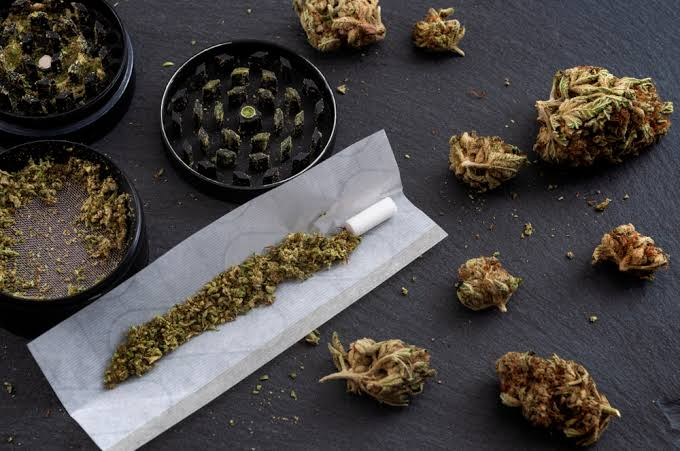
In simple terms, a weed grinder breaks down your cannabis flower into a more even texture before you use it. This matters because whole buds can be sticky, dense, or inconsistent in size, which makes them harder to work with and harder to compare from one session to the next. It’s a small tool, but it makes a big difference in how well your flower performs.
Some people assume that any rough method of breaking up flower will do, or that pre-ground options are the only way to go. Pre-ground flower is convenient in certain situations, but learning to grind your own whole flower gives you full control over the texture — and that control can make a noticeable difference in your experience.
A Step-by-Step Guide to Using a Grinder
Here’s a simple, four-step approach to take you from whole flower to perfectly prepped, every time.
1. Choose the Right Grinder for You
Picking a grinder is a bit like picking the right tool for a job — you want one that actually fits how you plan to use it. Grinders generally come in a few formats: two-piece, three-piece, four-piece, and electric.
Two-piece grinders are the simplest design, with two halves and teeth that mesh together to break up your flower. They’re portable, straightforward, and a solid choice for beginners or anyone who wants a no-fuss option. Three- and four-piece grinders add extra chambers — one to collect your ground flower, and often a screen that sifts out kief (the fine, potent particles) into a separate compartment below. These give you more control over the final product, though they do require a bit more cleaning. Electric grinders are fast and consistent, which is handy if you’re grinding larger amounts, but it’s easy to over-grind if you’re aiming for a specific texture.
If you’re just starting out, a basic two-piece grinder is an easy and affordable place to begin. If you’re a more regular flower user who likes to fine-tune your experience, a four-piece grinder might be worth the investment — it gives you more control and lets you collect kief for later use.
2. Load It Properly for a Consistent Grind
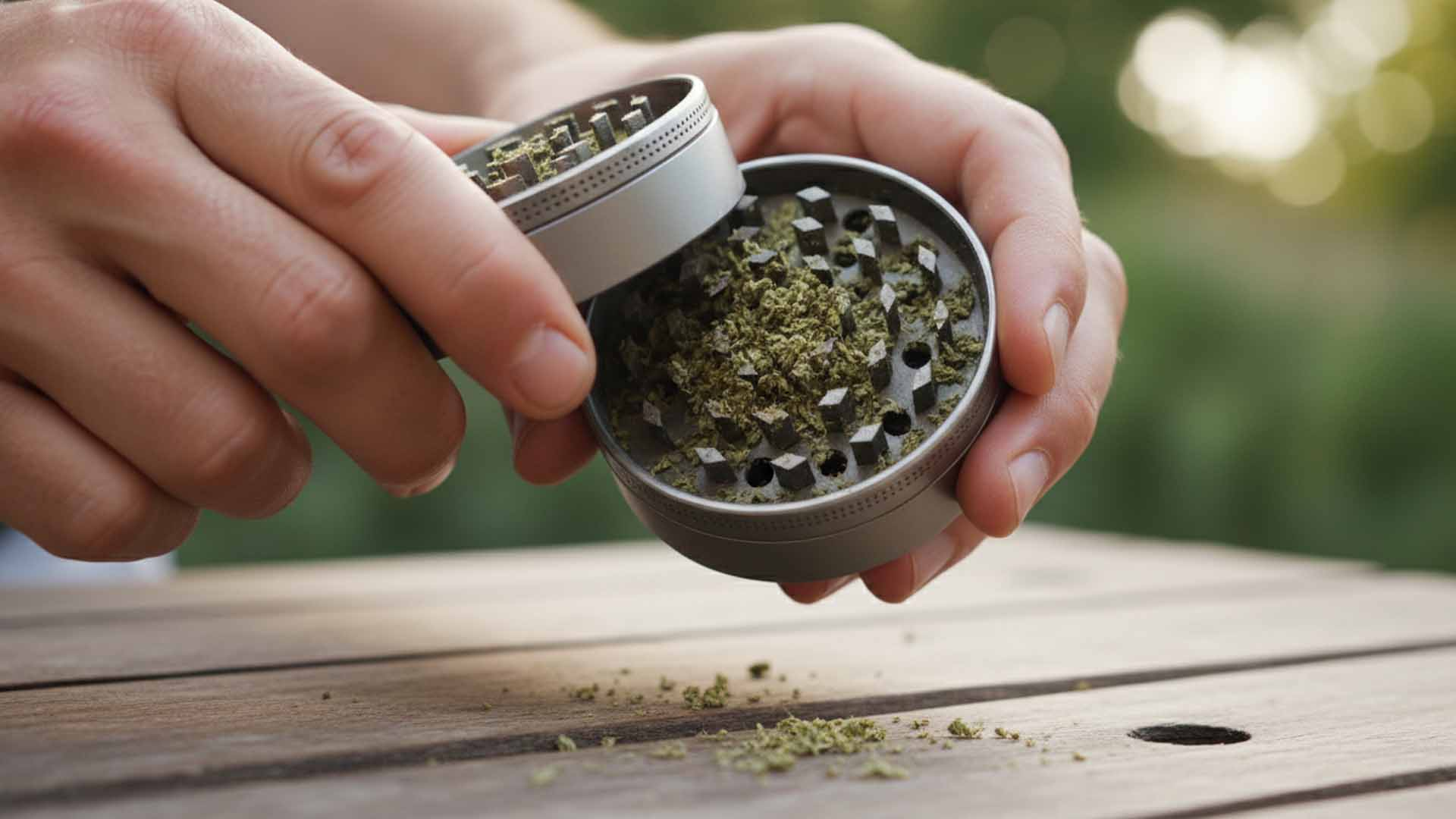
This step isn’t about how powerful your grinder is — it’s about how you load the flower so every twist gives you an even result. Start by breaking your flower into smaller pieces that fit comfortably between the teeth. Most grinders have a magnet or pivot point in the centre — avoid placing flower directly there, since the teeth won’t catch it and you’ll end up with unground chunks. Instead, spread the pieces evenly around the outer edge of the chamber so they make consistent contact with the teeth as you twist.
3. Know When You’re Done
Knowing when your flower has reached the right consistency comes down to feel and sound. Close the grinder and give it a firm twist, continuing in opposite directions with both halves. For a two-piece grinder, keep twisting until the pieces are as fine as you’d like. For multi-chamber grinders, you’ll notice less resistance as the ground flower falls through to the collection chamber. If you’re unsure, open it up for a quick look — if there are still large chunks, keep going until you reach your desired texture.

4. Match Your Grind to How You’ll Use It
The “ideal” grind depends entirely on how you plan to enjoy your flower. A coarser grind works well for pipes and bongs, helping prevent small bits from being pulled through while keeping airflow smooth. A medium grind is a good fit for hand-rolled joints or blunts, giving you a steady, even burn. A finer grind is best for dry herb vaporizers, since the increased surface area allows for more efficient heating and better vapour production.
Whatever grinder you choose, getting comfortable with it just takes a little practice. Once you find your rhythm, it becomes second nature — and a well-maintained grinder will serve you well for a long time. Browse The Purple Leaf’s accessories selection to find a grinder that fits your routine.
Frequently Asked Questions
How do I choose the right size grinder?
It depends mainly on how much flower you typically grind at once, and whether portability matters to you. Smaller grinders are great for on-the-go use or single sessions, while larger grinders are better if you’re prepping bigger amounts at home or simply prefer something with more heft.
What’s the best way to clean a weed grinder?
For sticky buildup, soaking the pieces in isopropyl alcohol for 15–30 minutes works well. After soaking, use a small brush — an old toothbrush works fine — to scrub away any loosened residue, then rinse with warm water and let everything dry completely before reassembling. For routine maintenance, a quick brush-out is usually enough to keep things running smoothly.
Why does my flower get stuck in the grinder?
This usually happens when the flower is especially sticky or dense, or when the grinder is overfilled. Try breaking your flower into smaller pieces before loading, and avoid packing it too tightly. On multi-piece grinders, a buildup of residue around the edges or screen can also cause sticking — a thorough cleaning typically resolves this.
Can I use my grinder for other herbs?
Technically yes, but it’s generally best to keep a dedicated grinder for cannabis. The aroma and residue from cannabis can transfer to other herbs (and vice versa), which can affect flavour. A separate tool keeps things cleaner for everything you grind.
Does the grinder material matter?
It does. Plastic grinders are lightweight and budget-friendly, but the teeth can wear down or break over time, leading to a less consistent grind. Aluminum grinders are durable, have sharper teeth, and twist smoothly for a long time. Stainless steel tends to be the heaviest and most durable option, offering a premium feel and long-term performance.
Grinding With Confidence
Getting comfortable with a grinder makes a real difference in your overall flower experience. It’s not about complicated techniques — just a few simple principles that lead to a more even burn, a smoother draw, and less hassle overall. It’s a small step that pays off every time you use your flower. Visit The Purple Leaf to explore our full range of cannabis accessories and find the grinder that’s right for you.
Shop related at The Purple Leaf: grinders