Vaporizers have become one of the most widely used cannabis consumption devices in Canada — but the mechanics of how they actually work are less commonly understood than the devices themselves. Knowing what’s happening inside a vaporizer when you use it changes how you make purchasing decisions, how you set temperature, and why the experience differs so significantly from smoking.
This guide covers the complete picture — the science behind vaporization, the different heating methods, how oil and dry herb vaporizers differ mechanically, and what the temperature settings on your device are actually doing.
The Fundamental Principle — Vaporization vs Combustion
To understand how vaporizers work, the most important starting point is understanding what they’re specifically designed to avoid.
Combustion occurs when cannabis flower is burned — the material reaches temperatures above approximately 230°C (446°F) and ignites. The chemical reaction of combustion produces the smoke you inhale, which contains the cannabinoids and terpenes you’re after alongside a range of byproducts produced by the burning process itself — carbon monoxide, tar, polycyclic aromatic hydrocarbons, and various other compounds that have nothing to do with cannabis and everything to do with the physics of burning organic material.
Vaporization occurs at temperatures below combustion. Rather than igniting the material, the vaporizer heats it to a controlled temperature at which the cannabinoids and terpenes — which are volatile compounds with relatively low boiling points — transition from solid or liquid form into vapour without the plant material itself catching fire.
The practical result: the vapour you inhale contains the active compounds you want — THC, CBD, terpenes — with significantly fewer of the harmful combustion byproducts produced by burning. This is the fundamental health and flavour argument for vaporization over smoking.

How Dry Herb Vaporizers Work
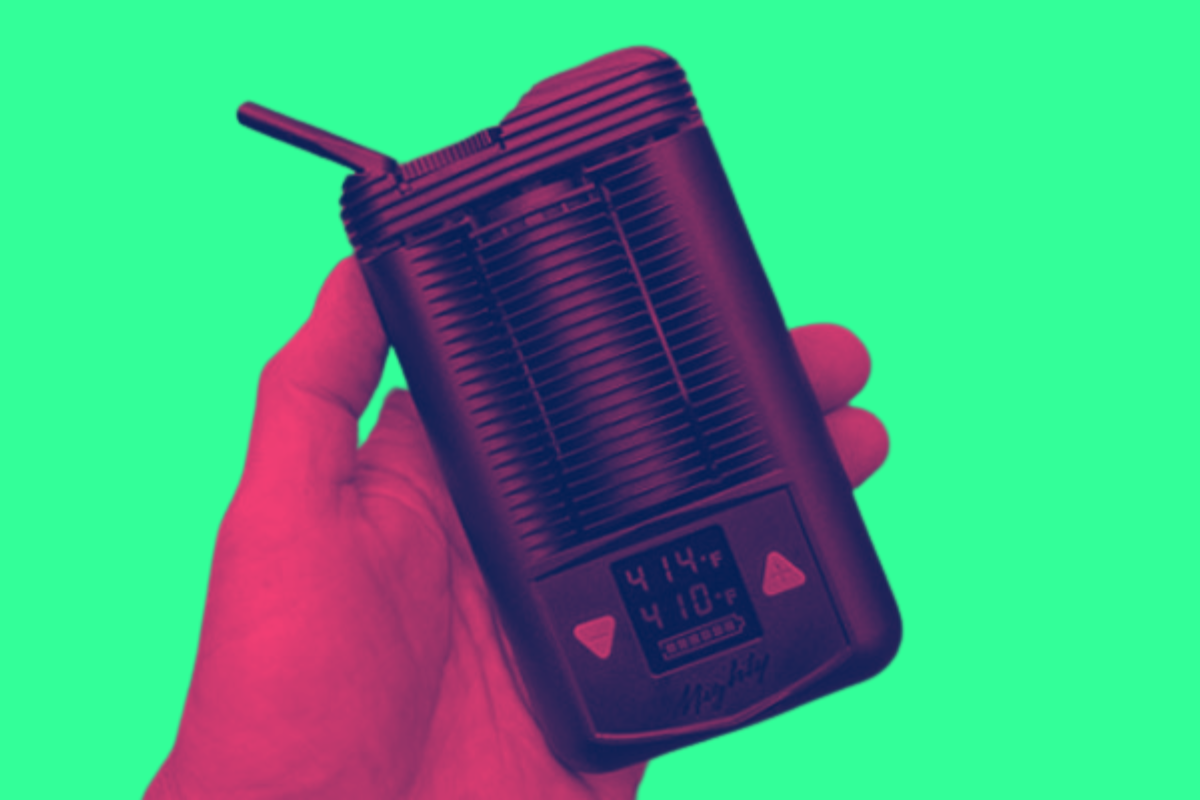
Dry herb vaporizers heat whole cannabis flower directly, producing vapour from the plant material without combustion. There are two primary heating methods, each producing a meaningfully different experience.
Conduction Heating
Conduction vaporizers heat the cannabis flower through direct physical contact with a heated surface — typically the walls of a metal or ceramic chamber. The flower inside the chamber is in direct contact with the hot surface and heats up through that contact.
How it works mechanically: The device heats a chamber to a set temperature. The flower packed into the chamber is heated by contact with the chamber walls. At the right temperature, cannabinoids and terpenes in the trichomes vaporise and are inhaled through the mouthpiece.
Advantages: Faster heat-up time (typically 20–45 seconds), simpler internal design, generally lower cost.
Limitations: Uneven heating — the flower in contact with the chamber walls heats faster than flower in the centre of the load. This can produce uneven extraction and occasional localised combustion at hot spots if temperature is too high. Stirring the chamber between draws improves consistency.
Convection Heating
Convection vaporizers heat the cannabis flower by passing hot air through it rather than through direct contact. The heating element heats air, and that hot air flows through the flower load, extracting cannabinoids and terpenes as it passes.
How it works mechanically: The device heats air to a set temperature. When you draw through the mouthpiece, air is pulled through or past the heating element, heats up, and then passes through the flower chamber — extracting vapour from the flower as it moves — before reaching your lungs.
Advantages: More even heating across the entire flower load, better flavour preservation, lower combustion risk, more efficient use of material.
Limitations: Slightly longer heat-up time, more complex engineering, generally higher cost.
Hybrid Heating
Many of the most popular mid-to-premium dry herb vaporizers use a combination of both methods — a conduction-heated chamber supplemented by convection airflow through the load. This hybrid approach aims to capture the fast heat-up of conduction alongside the even extraction of convection.
For cannabis flower, convection and hybrid devices generally produce the most flavourful and most complete extraction — which is why they dominate the premium portable vaporizer market.
How Oil Vape Cartridges Work
Oil vaporizers — including disposable vape pens and 510-thread battery and cartridge systems — work through a simpler and more contained mechanism than dry herb vaporizers.
The Components
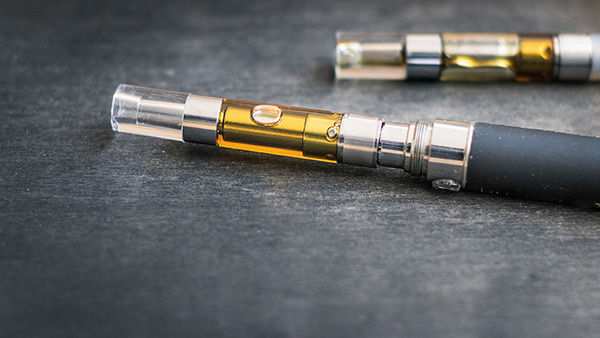
The cartridge is a small, sealed tank pre-filled with cannabis oil — typically a distillate, live resin extract, or CO2 extract. The tank contains an absorbent wick material that draws oil to the heating element.
The atomiser (or coil) is a small heating element — typically a ceramic plate, ceramic coil, or metal coil — that heats the oil drawn to it by the wick.
The battery provides electrical current to the atomiser on demand.
The 510-thread connection (for cartridge systems) is the standardised screw-connection point between the cartridge and the battery.
The Mechanism
When you draw through the mouthpiece of a draw-activated vape pen, a sensor detects the airflow and completes an electrical circuit, sending current from the battery to the atomiser. The atomiser heats rapidly — typically reaching operating temperature in a fraction of a second — and vaporises the cannabis oil in contact with it. The vapour travels from the cartridge through the airpath and out through the mouthpiece.
For button-activated devices, pressing and holding the button while drawing sends current to the atomiser and produces the same result.
The entire cycle from draw activation to vapour production takes approximately half a second — which is why the onset of effects from a vape cartridge is nearly as fast as from smoking.
Ceramic vs Metal Coil Atomisers
The material of the heating element significantly affects the quality of the vapour produced.
Ceramic atomisers heat oil more evenly and at more consistent temperatures, produce cleaner-tasting vapour, and are more thermally stable across a range of temperatures. They are the preferred hardware in quality cannabis vape cartridges.
Metal coil atomisers are cheaper to produce and more common in entry-level hardware. They can heat unevenly and occasionally impart a faint metallic character to the vapour at higher temperatures.
When evaluating vape products, ceramic coil cartridges from licensed producers consistently deliver a better experience than basic metal coil alternatives. Browse our vapes and cartridges section at The Purple Leaf for available options.

Temperature — The Most Important Variable
Temperature is the variable that most directly shapes what you get from any vaporizer — and understanding why helps you use your device more intelligently.
Different cannabinoids and terpenes have different boiling points — the temperatures at which they transition from solid or liquid into vapour. The temperature you vaporize at determines which compounds are extracted and inhaled, which is why the same product at different temperatures produces noticeably different experiences.
Key Boiling Points
THC vaporises at approximately 157°C (315°F). Below this temperature, you’re not efficiently extracting the primary psychoactive compound.
CBD vaporises at approximately 160–180°C (320–356°F) — slightly higher than THC.
Most terpenes vaporise between 130–200°C (266–392°F). Many of the most flavour-relevant terpenes are at the lower end of this range — which is why low-temperature vaporization consistently produces the most flavourful experience.
Combustion begins above approximately 230°C (446°F). At this temperature the material starts to burn rather than vaporise — producing smoke rather than vapour and the same combustion byproducts you’d get from smoking.
Temperature Ranges in Practice
Low temperature (160–180°C / 320–356°F): Maximum terpene preservation, richest flavour, most strain-specific effect character, lighter vapour density. The preferred range for flavour-focused users and for maximising the authenticity of the strain experience. Less efficient cannabinoid extraction — you get more flavour per draw but fewer cannabinoids per gram consumed.
Medium temperature (180–200°C / 356–392°F): Good balance between flavour and cannabinoid extraction efficiency. The most commonly used range for everyday sessions — meaningful vapour density alongside good flavour retention.
High temperature (200–220°C / 392–428°F): Maximum cannabinoid extraction, dense vapour, more pronounced sedating effects. Terpene expression is reduced and the vapour is thicker and slightly harsher. Popular for users who prioritise maximum effect over flavour.
Above 220°C: Approaching combustion territory. Some devices allow temperatures in this range — the risk of localised combustion increases and the health advantage over smoking diminishes considerably.
How E-Rigs and Dab Pens Work
For concentrate consumption — shatter, live resin, hash rosin — two electronic device formats are relevant.
Dab pens (also called wax pens) work similarly to oil cartridge vapes but with an open, refillable chamber rather than a sealed cartridge. A small amount of concentrate is loaded directly onto the heating element, which vaporises it on activation. The mechanism is mechanically identical to an oil vape — electrical current heats an atomiser, the concentrate vaporises on contact.
Electronic rigs (e-rigs) are self-contained battery-powered devices that replicate the function of a traditional dab rig with a torch-heated nail. The e-rig heats a ceramic or quartz bucket to a precise, digitally controlled temperature, eliminating the guesswork of manual torch heating. The concentrate is placed in the heated bucket and vapourises, with the vapour passing through a water filtration path before reaching the mouthpiece.
E-rigs offer the primary advantage of precise, repeatable temperature control — a significant improvement over the estimation required with a torch-heated nail. Browse our dab rigs and tools section at The Purple Leaf for currently available options.
Why Vaporizers Taste Different From Smoking
The flavour difference between vaporized and smoked cannabis is one of the most immediately noticeable things for any user who makes the switch — and it’s a direct consequence of the mechanisms covered above.
When cannabis burns at combustion temperatures, most of the terpenes — the compounds responsible for the distinct flavour and aroma of each strain — are destroyed before they ever reach your palate. What you taste in smoke is a combination of the surviving terpenes, the byproducts of combustion, and the flavour of burning plant material itself.
When cannabis vaporises at a controlled low to medium temperature, the terpenes are preserved and delivered intact. You taste what the strain actually contains — the specific fruity, earthy, floral, or diesel character of the genetics — without combustion interference.
This is why quality live resin in a ceramic coil cartridge or a quality dry herb vaporizer at low temperature consistently delivers a flavour experience that smoking the same material cannot match. The mechanism is working in favour of your palate rather than against it.
Maintaining Your Vaporizer
Understanding the mechanism also explains why maintenance matters. Residue — from cannabis oil, vaporised plant compounds, and degraded terpenes — builds up on every surface that vapour contacts. In a dry herb vaporizer, this residue accumulates in the chamber, the vapour path, and the mouthpiece screen. In a vape cartridge system, it primarily accumulates around the connection point and occasionally inside the cartridge airpath.
Residue buildup produces harsher, less flavourful vapour and can eventually affect the device’s performance. Regular cleaning — isopropyl alcohol on a cotton swab for connection points, specialised cleaning solutions for glass components — keeps any vaporizer performing at its best.
Browse our cleaner products at The Purple Leaf for cleaning solutions suited to cannabis glass and vaping equipment.
Frequently Asked Questions
How does a vaporizer work?
A vaporizer heats cannabis material — either dried flower or cannabis oil — to temperatures below combustion, causing active compounds (THC, CBD, terpenes) to transition into vapour without the plant material burning. The vapour is inhaled through a mouthpiece. Browse our vapes section at The Purple Leaf.
What is the difference between conduction and convection vaporizers?
Conduction vaporizers heat flower through direct contact with a hot surface — faster but less even. Convection vaporizers heat flower by passing hot air through it — more even extraction, better flavour, higher cost.
What temperature should I vaporize cannabis at?
160–180°C for maximum flavour and terpene preservation. 180–200°C for a balance of flavour and cannabinoid efficiency. 200–220°C for maximum effect at the cost of some flavour. Avoid going above 230°C where combustion begins.
Why does vaporized cannabis taste different from smoked?
Vaporization preserves the terpenes that burning destroys — producing a cleaner, more strain-accurate flavour without the combustion byproducts that interfere with the taste of smoked cannabis.
Are ceramic coil cartridges better than metal coil?
Yes, generally. Ceramic coils heat more evenly, produce cleaner-tasting vapour, and are more thermally stable. Quality licensed cartridges at The Purple Leaf use appropriate coil materials. Browse our vapes and cartridges.
Where can I buy vaporizers and cannabis cartridges in Canada?
The Purple Leaf carries vaping products and accessories alongside a full range of cannabis for vaping — flower, concentrates, and oil cartridges — available for local London, Ontario delivery and Canada Post shipping Canada-wide. Order at thepurple-leaf.com or call 519-777-9498.
Shop Vaporizer Products at The Purple Leaf
Whether you’re choosing your first vape cartridge or upgrading to a premium dry herb device, The Purple Leaf has the products and the knowledge to help.