What Does an Edible High Feel Like? The 2026 Guide
Edibles hit differently than smoking or vaping — and that’s not just a figure of speech. The biology behind why they feel different is real, well-understood, and worth knowing before you try them. Whether you’re curious about edibles for the first time or want a clearer picture of what to expect at each stage, this guide walks you through everything: how they work, what the experience actually feels like, how to navigate it, and how to handle it if you take more than intended.
The short version: edibles create a deeper, longer-lasting experience than smoking because your liver converts THC into a more potent compound. Start low, wait at least two hours before taking more, and give yourself a comfortable environment to settle into. The rest takes care of itself.
How Edibles Work Differently Than Smoking
When you smoke or vape cannabis, cannabinoids travel from your lungs directly into your bloodstream. The pathway is short, onset happens within minutes, and the effects are easy to read in real time. Edibles don’t work this way at all.
When you eat a cannabis edible, THC travels through your digestive system and is processed by your liver before it enters circulation. During that process, the liver converts Delta-9 THC into a compound called 11-hydroxy-THC. This metabolite crosses the blood-brain barrier more efficiently than regular THC and produces an experience that many people describe as more intense, more body-centred, and significantly longer-lasting.
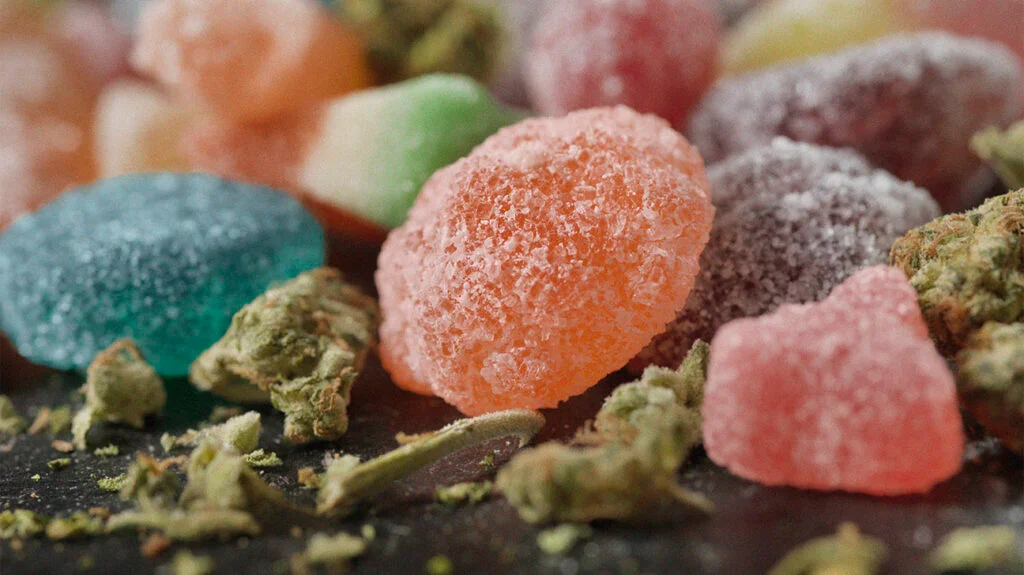
That conversion is why two products with the same milligram count can feel so different depending on how you consume them. It’s also why patience is the most important variable in any edible experience. Browse The Purple Leaf’s edibles selection to explore gummies, chocolates, capsules, and more.
The Timeline: What to Expect and When
Understanding the edible timeline in advance is genuinely useful because most bad edible experiences start with misreading it.
Onset: 30 minutes to 2 hours
This is the waiting period, and the range is wide because individual factors like metabolism, body composition, enzyme levels, and whether you’ve eaten recently all affect how quickly your body processes the edible. Some people feel the first hints at 30 minutes. Others need a full two hours before anything registers.
The first signs are easy to miss: a subtle warmth spreading from the chest outward, sounds softening slightly around the edges, a mild lightness in the head. Music may start sounding noticeably better before you consciously register feeling anything. Mundane things — a conversation, a snack, a show you’ve seen before — start to feel a little more interesting.
The critical thing to know at this stage: what you feel at 45 minutes tells you almost nothing about where you’ll be at two hours. The onset stage is just the beginning of a much longer build.
Peak: 2 to 4 hours after consuming
This is when the full experience arrives. Body effects intensify noticeably. Many people describe a deep settling sensation, as if their limbs have become pleasantly heavy and movement feels smooth or exaggerated. Some notice a tingling or buzzing quality throughout the body.
Mentally, thoughts slow down and take on a more expansive or introspective quality. Time perception shifts significantly — minutes stretch, and ordinary moments can feel unusually vivid or meaningful. Colours may look brighter. Music takes on a different dimension. Food tastes more intense than usual.
This is the most immersive part of the experience, and it’s worth having water, snacks, and a comfortable space ready before you reach it.
Comedown: 4 to 8 hours after consuming
The descent is gradual, which is one of the things that distinguishes edibles from smoking. Rather than a more abrupt drop-off, the effects ease off slowly. The body heaviness and sensory enhancement soften, leaving behind a settled, relaxed feeling. Some people feel pleasantly sleepy. Others find themselves in a calm, low-key state.
Residual effects like mild grogginess can occasionally carry into the following morning, particularly at higher amounts. Planning your schedule with that in mind makes the experience more comfortable on your first few tries.

Fast-Acting Edibles: A Different Timeline
Not all edibles follow the same onset curve. Some products use nano-emulsification technology, which breaks THC into microscopic droplets that allow absorption through the mouth and stomach rather than requiring full digestion. These products typically take effect within 30 to 45 minutes for most people, rather than the full one to two hour window of traditional edibles.
The experience also feels slightly different. Because some THC enters the bloodstream before the full liver conversion occurs, fast-acting edibles tend to feel lighter and more even than traditional ones — a little closer in character to smoking. Effects typically peak within 30 to 60 minutes and last 2 to 4 hours rather than the full 4 to 8.
If you’re newer to edibles and the wide onset window feels uncertain, a fast-acting product offers more timing control without fully committing to a long session. The Purple Leaf carries a range of cannabis edibles including formats designed for different onset preferences.
Edibles vs. Smoking: A Direct Comparison
| Smoking | Traditional Edibles | Fast-Acting Edibles | |
|---|---|---|---|
| Onset | Minutes | 30 to 120 min | 30 to 45 min |
| Peak | Within 30 min | 2 to 4 hours | 30 to 60 min |
| Duration | 2 to 3 hours | 4 to 8 hours | 2 to 4 hours |
| Character | Head-focused, cerebral | Body-forward, immersive | Middle ground |
The Full Experience, Stage by Stage
The Onset: A Slow and Steady Climb
At first, you might feel nothing. Then, gradually, a subtle wave of relaxation begins to settle in. Some people describe a light, floaty quality as the first effects arrive. There may be a gentle shift in perception — the world becomes slightly softer, calmer, or more vivid in a way that’s easy to brush off as imagination.
Physically, a sensation of warmth or heaviness may begin to build, as if your body is settling into itself. Mentally, thoughts may start to slow or take on a more relaxed quality. The key at this stage is to recognize these early signals without acting on them. The onset is the beginning of the experience, not the peak.
The Peak: Full-Body and Immersive
Once the effects reach their full intensity, the experience is noticeably more body-centred than a smoked high. The “melting” sensation many people describe is accurate — a pleasant heaviness in the limbs, a smooth quality to movement, sometimes a mild tingling or buzzing throughout the body.
Mentally, thoughts become more expansive. Some people get a case of the giggles. Others feel a heightened appreciation for music, conversation, or just sitting comfortably in a familiar space. Time moves differently — minutes stretch, and ordinary things take on unusual depth or texture.
Sensory changes are common: colours feel richer, music sounds fuller, food tastes noticeably better. Having snacks ready before you hit the peak is advice worth taking seriously.
The Comedown: Easing Back Down
As the peak fades, the intensity gradually softens. What you’re left with is typically a settled, mellow sense of relaxation — the kind that makes a couch and a familiar show feel like exactly the right thing. Some people drift into sleep. Others find themselves calm and quietly focused.
The gentleness of the edible comedown is one of the things experienced consumers often prefer about the format. Staying hydrated and keeping the environment comfortable makes this stage easy and, for many people, genuinely enjoyable.
If You Take Too Much: How to Get Through It
Taking more than intended is the most common edible mistake, and it almost always happens the same way: nothing felt like it was working, so another piece got eaten before the first one had finished building. If you find yourself in that position, the most important thing to know is that it will pass. No one has experienced permanent harm from consuming too much cannabis. What you’re feeling is temporary, even when it doesn’t feel that way.
Find a comfortable, familiar space. A couch, your bed, or any room where you feel at ease. Dim the lights if bright environments feel overwhelming. Reduce sensory input and give your nervous system less to process. Familiar and calm is exactly what you want.
Drink water and have a light snack. Dry mouth is common, and dehydration makes discomfort worse. Avoid alcohol and caffeine. A light snack can help ground you physically and may slow further THC absorption if the edible is still building.
Breathe slowly and redirect your attention. Slow, deliberate breathing gives your mind something concrete to anchor to. Distract yourself with something low-stakes and familiar — a comfort show, a playlist you know well, a simple repetitive activity. Avoid anything emotionally heavy or mentally demanding.
Don’t try to push through it. Acceptance is more effective than resistance. Remind yourself that this is temporary, that your body is processing it, and that you are physically safe. If you’re with someone you trust, let them know how you’re feeling. You don’t have to manage it alone.
This article is informational and not medical advice. If you experience symptoms that feel serious, please contact a medical professional.

Dosing: Where to Start
Canada’s legal edibles market caps THC content at 10mg per package, which is a practical reference point for anyone newer to the format. For first-time edible consumers, a starting point of 2.5mg to 5mg is sensible — it gives your body a chance to respond before you decide whether to adjust.
For more experienced consumers who are comfortable with edibles, 10mg is a common and manageable amount. Whatever your starting point, the same rule applies: wait at least two hours before deciding to take more. What you feel at 45 minutes is not where you’ll land at 2 hours.
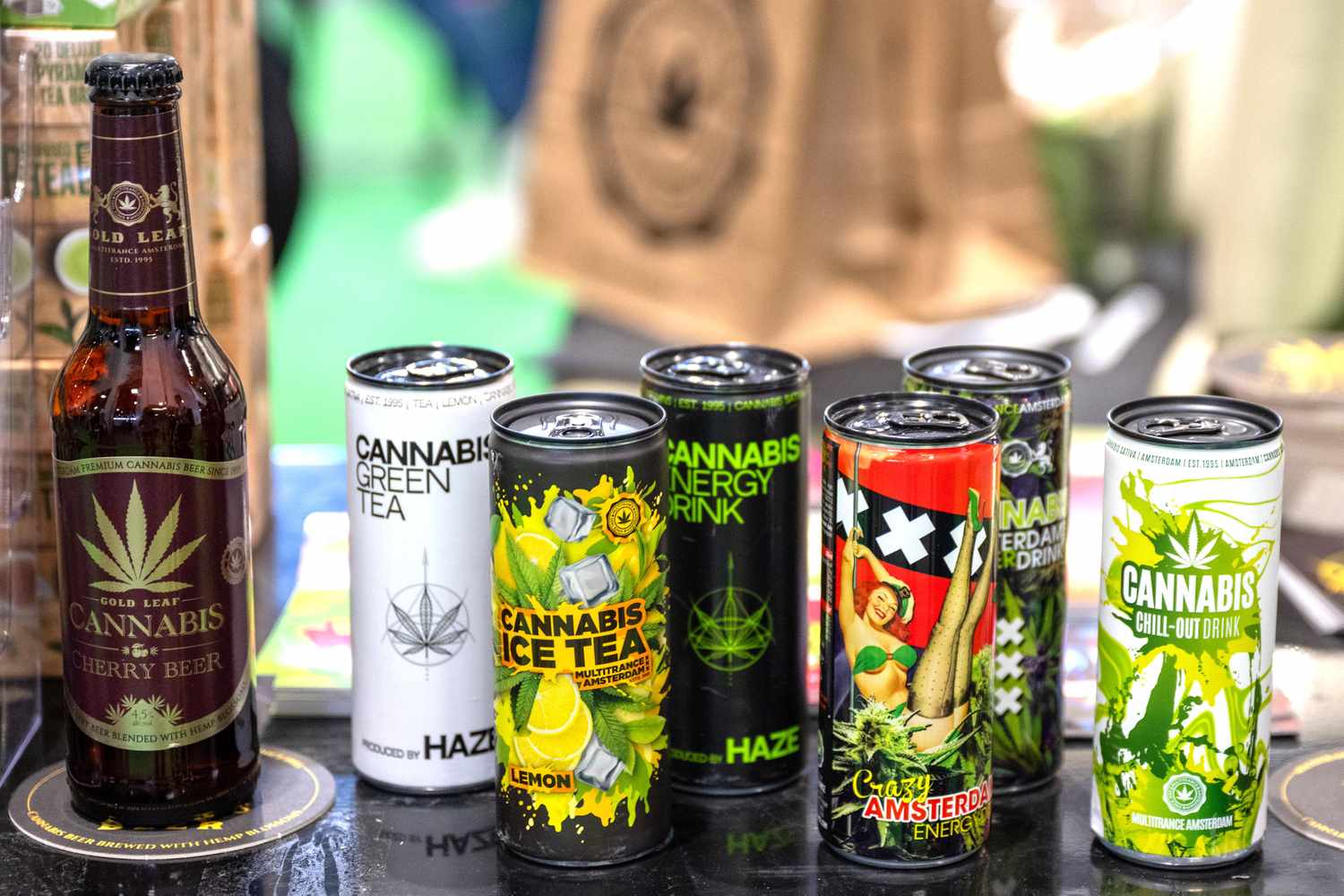
The Purple Leaf carries cannabis edibles across a range of formats and THC amounts, all clearly labelled so you can make an informed choice before you buy. Gummies, chocolates, capsules, and beverages are all available depending on your preference.
What If Edibles Have Never Worked for You
If you’ve tried edibles before and felt nothing, the product isn’t necessarily the issue. Some people naturally produce fewer of the enzymes responsible for converting THC into 11-hydroxy-THC in the liver. This genetic variation means their bodies process edibles less efficiently, requiring a higher amount to feel effects that others get from a standard dose.
If standard amounts have consistently done nothing for you, trying a product with a higher THC content before writing off the format entirely is worth considering. What feels like edibles not working is often just a difference in how your body metabolizes them.
Frequently Asked Questions
What does it feel like when edibles kick in?
Most people first notice a wave of warmth and physical relaxation somewhere between 30 and 90 minutes after consuming. From there, the effects deepen into full-body heaviness, heightened senses, and a noticeable shift in time perception.
How do you know if an edible has kicked in?
Early signs are subtle: a gentle warmth, slight body heaviness, sounds softening slightly, and a shift in mood. If food suddenly seems more appealing and your thoughts have slowed or softened, the edible has begun to work.
Will edibles get you more high than smoking?
Often yes, and more intensely. Because the liver converts THC into 11-hydroxy-THC, a more potent compound, the experience from an edible can feel stronger and longer-lasting than an equivalent inhaled dose.
Are edibles suitable for beginners?
Yes, with the right approach. Start with 2.5mg to 5mg, eat something beforehand, and wait a full two hours before taking more. Impatience is the most common beginner mistake.
How long does an edible high last?
Most people feel the effects for four to eight hours, with the peak hitting roughly two to four hours after consuming. Fast-acting edibles have a shorter window of two to four hours total.
Does the type of edible change how it feels?
Yes. Adding CBD to a THC edible creates a more balanced, mellower experience for many people. Nano-emulsified fast-acting products follow a different onset and duration timeline than traditional oil-based edibles. Knowing which formulation you’re taking helps set accurate expectations.
Will edibles show up on a drug test?
Yes. THC from edibles is detectable in urine tests for up to 30 days depending on frequency of use, and in hair tests for up to 90 days.
The Bottom Line
An edible high is a genuinely different experience from smoking — more body-centred, longer-lasting, and slower to arrive. Once you understand the timeline, the biology behind why it works the way it does, and how to approach it comfortably, it becomes one of the most enjoyable ways to experience cannabis. Start low, be patient, set up a comfortable space, and give it the time it needs. Visit The Purple Leaf to explore our full edibles selection and find the right format for your first or next experience.