

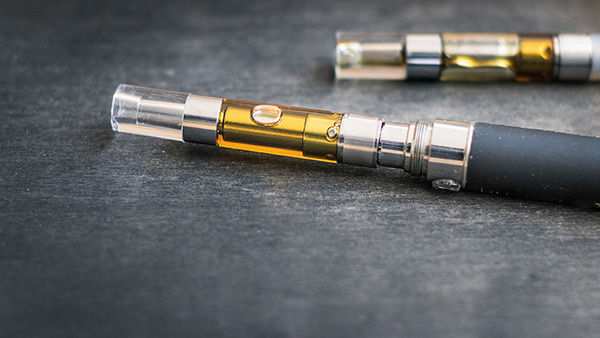
Using a THC vape pen is one of the most straightforward ways to consume cannabis. Remove the cap, place the mouthpiece to your lips, and inhale slowly for two to three seconds. That’s the whole motion. No lighters, no grinders, no rolling — just a clean, discreet draw whenever you’re ready.
Whether you’re picking up a vape pen for the first time or want a clearer picture of technique, storage, and what to expect, this guide covers everything worth knowing. Browse The Purple Leaf’s vape selection to find a pen and cartridge that suits your preferences.
What You Need Before Your First Draw
Cannabis vape pens sold through licensed Canadian retailers come ready to use right out of the packaging. Most products arrive pre-charged and loaded with oil. Before your first session, there are a few things worth checking.
Confirm the battery is charged. If a pen or cartridge battery has been sitting in storage for a while, a quick top-up ensures consistent performance from the first draw. Most pens use USB-C charging, though some older models use Micro-USB — check what’s included in the packaging.
Remove the mouthpiece cap. Most cannabis vape pens come with a rubber or plastic cap over the mouthpiece to protect the opening during transit and storage. Pull it off before your first draw and keep it nearby — you’ll want it back when you’re done.
Know what type of activation your device uses. Some pens are draw-activated, meaning they power on automatically the moment you inhale. Others use a button that needs to be pressed while you draw. Check the product packaging or ask at the counter to confirm which type you have before your first session. The team at The Purple Leaf can walk you through the specifics of any product on the shelf.
That’s the full setup. For most cannabis vape pens, it takes about ten seconds.
How to Use a THC Vape Pen: Step by Step
Step 1: Remove the Cap
Pull the protective cap off the mouthpiece and set it somewhere within reach. You’ll want it back when the session is over.
Step 2: Position the Mouthpiece
Place the mouthpiece to your lips without forming a completely airtight seal. Leaving a slight gap at the corners of your mouth lets a small amount of ambient air mix in with the vapour, which produces a smoother, cooler draw than a tight seal would.
Step 3: Inhale Slowly and Steadily
Draw slowly and evenly for two to three seconds. This is the most important variable in how well any vape pen performs. A slow, controlled inhale gives the heating element time to vaporize the oil evenly, producing more vapour and a cleaner flavour on the exhale. Short, sharp pulls rush the coil, produce thin vapour, and can leave the draw feeling unsatisfying.
Pull the vapour into your lungs rather than holding it in your mouth. You don’t need to hold your breath after inhaling — just exhale normally.
Step 4: Exhale and Observe
On the exhale you’ll see vapour and taste the strain’s flavour profile. Fruity or citrus-forward extracts tend to be lighter and sweeter. Earthier or more fuel-forward strains hit differently. The vapour from a cannabis vape pen is typically lighter and smoother than most first-timers expect — thinner cloud density is normal and doesn’t indicate poor performance.
Step 5: Wait Before Taking More
Start with one or two draws and wait ten to fifteen minutes before continuing. Cannabis vape effects set in within minutes, but giving the first draw time to fully register before taking more is how you avoid overshooting your comfortable range. One or two draws is a sensible starting point for any new product, regardless of your experience level.
Step 6: Cap the Pen and Store It Properly
Replace the mouthpiece cap when the session is done and store the pen upright in a cool, dark spot. Keeping the cap on protects the mouthpiece from dust and debris between sessions, and upright storage keeps the oil pooled around the heating element where it needs to be.

Draw-Activated vs Button-Activated Pens
Most cannabis vape pens in Canada’s legal market fall into one of two activation categories, and knowing which you’re working with is useful before your first draw.
Draw-activated pens power on automatically when you inhale. There’s no button to press, no startup sequence, and no risk of accidentally firing the device in your bag or pocket. This is the simpler format and the one most commonly used in licensed Canadian cannabis vape products. You inhale, the pen activates, and vapour is produced.
Button-activated pens require you to press and hold a button while inhaling. Most use a five-click sequence to power the device on and off, with the button held during the draw. This style of activation gives you more deliberate control over when the heating element fires, which some consumers prefer — particularly on variable-voltage batteries where you’re adjusting settings between draws.
If you’re using a 510-thread battery with a removable cartridge, button activation is more common. If you’re using a disposable all-in-one pen, draw activation is more likely. Check the product packaging or ask the team at The Purple Leaf if you’re not sure which type you have.
Getting the Most Out of Every Draw
Draw Length
Two to three seconds is the sweet spot for most cannabis vape pens. Within that window the coil has time to heat the oil evenly and produce consistent vapour. Draws under a second don’t give the heating element enough time. Draws over four or five seconds can overheat the coil and produce a harsh, burnt taste on the exhale.
Draw Strength
Slow and steady outperforms hard and fast. A forceful pull can actually reduce airflow through the cartridge rather than increase vapour production, and it puts more strain on the coil. A controlled, even draw at moderate pace extracts more per hit and keeps the device performing consistently over the life of the cartridge.
Pacing
Give yourself ten to fifteen minutes between draws when you’re calibrating a new product. The effects from a cannabis vape pen arrive quickly, typically within five to ten minutes, but the full picture of where a particular product lands takes a little time to develop. Starting slow and working up is always more comfortable than the alternative.
Priming a New Cartridge
When you first attach a new cartridge to a battery, or pick up a device that’s been sitting unused for a while, the oil may have settled away from the heating element. Take one or two gentle primer draws — slow, low-power puffs without fully activating the device — before your first real hit. This gives the oil time to flow back to the coil and ensures your first draw is consistent rather than a partial hit.
How to Tell When Your Vape Is Running Low
The clearest sign a cartridge is nearly empty is a gradual drop in vapour production. Draws that used to produce visible, consistent vapour start producing noticeably thinner results. A slightly toasted or off flavour on the exhale, where the clean terpene character you had at the start of the cartridge is mostly gone, is another reliable indicator.
Before writing off a cartridge as empty, check the battery. A depleted battery produces the same symptoms — thin vapour, weak draw — as a near-empty cartridge. Charging the battery first rules out that variable before you open a new product.
When the cartridge is genuinely done, the draw will either produce nothing meaningful or a distinctly harsh, burnt taste with no real vapour. At that point the cartridge has given everything it has.
How to Store Your Vape Pen
Proper storage keeps your pen performing consistently and protects the oil quality between sessions.
Store upright with the cap on. Keeping the pen vertical ensures oil stays pooled around the heating element rather than settling unevenly against the chamber walls. Horizontal storage between sessions can lead to air pockets that produce inconsistent first draws. The mouthpiece cap keeps the opening clean and prevents dust and debris from working into the draw channel.
Keep it away from heat and direct sunlight. Heat thins cannabis oil and can cause it to migrate out of the cartridge through the mouthpiece, wasting product and creating a mess. A hot car in summer is one of the most damaging storage environments for any vape cartridge. A cool drawer or cupboard at home is ideal.
Avoid extreme cold. Cold temperatures thicken the oil, which can make the first draw of a cold session slower or inconsistent until the pen warms up slightly. In a Canadian winter, keeping your pen in a warm inside pocket rather than an outer jacket pocket makes a practical difference.
Wipe the mouthpiece after each session. A quick wipe with a dry cloth keeps the opening clean and the flavour consistent draw to draw. Residue buildup around the mouthpiece affects airflow over time and can make the draw feel increasingly restricted.
Store backup cartridges in their original packaging in a cool, dark spot until you’re ready to use them. This preserves oil quality and prevents terpene degradation before the cartridge is even opened. Most cannabis oil maintains quality for up to a year when stored properly.
Common Problems and How to Fix Them
No vapour on the draw: Check that the cap is fully off, the battery is charged, and you’re drawing slowly. Hard, sharp pulls can reduce airflow through the coil rather than increasing it. If the pen is draw-activated, confirm it’s not accidentally locked. If it’s button-activated, confirm the device is powered on.
Weak or thin vapour: Almost always a battery issue or oil that has settled away from the heating element. Try charging the battery and warming the cartridge gently between your palms for a minute before drawing.
Harsh or burnt taste: The cartridge may be nearly empty and the coil is firing without enough oil to vaporize cleanly. If there’s still visible oil in the chamber, try a lower voltage setting if your battery allows it, or give the pen a few minutes to cool between draws.
Clogged mouthpiece: A blocked draw is usually condensed vapour residue in the mouthpiece channel. Gently warm the area between your palms and try clearing it with a thin, clean implement like a toothpick or the end of a paperclip. In some cases a blocked draw is caused by oil that has thickened in cold temperatures — warming the pen resolves this quickly.
Cartridge not connecting to battery: Remove the cartridge, wipe the threading and contact points on both the cartridge and battery with a dry cotton swab, and reattach firmly. A buildup of residue or oil around the contacts is a common cause of connection issues and usually clears easily with a quick clean.
Frequently Asked Questions About THC Vape Pens
How many draws should I take for my first session?
One to two draws is the right starting point with any new product. Wait ten to fifteen minutes and assess how you’re feeling before deciding whether to continue. Starting conservatively makes calibration easier and keeps the experience comfortable.
Do I need to hold the vapour in after inhaling?
No. Exhale normally after each draw. The cannabinoids in cannabis vapour absorb quickly through the lung tissue and holding your breath doesn’t meaningfully increase absorption. It just adds unnecessary discomfort.
Why does my vape pen produce less vapour in cold weather?
Cold temperatures thicken cannabis oil, slowing its flow to the heating element. Warming the cartridge gently between your palms for 30 to 60 seconds before drawing usually resolves this. In winter, keeping your pen in a warm inside pocket rather than an outer layer between sessions makes a consistent difference.
Is a 510-thread cartridge the same as a disposable pen?
No. A 510-thread cartridge is a refillable or replaceable oil cartridge that screws onto a separate battery. A disposable pen is a self-contained all-in-one device with the battery and cartridge integrated. Both use cannabis oil and produce vapour the same way, but a cartridge and battery setup gives you more flexibility over time, while a disposable is the more convenient grab-and-go option.
How do I know if my vape pen is charged?
Most pens have an indicator light that shows charge status. A solid light during charging and a colour change or light-off when fully charged is the most common indicator pattern. Check the product packaging for the specific indicator behaviour of your device. The Purple Leaf carries a range of vape accessories and batteries if you’re looking to upgrade or replace your current setup.
Will a THC vape pen show up on a drug test?
Yes. THC from a cannabis vape pen is detectable in urine tests for up to 30 days depending on frequency of use. Legal status in Canada doesn’t change drug test detectability. If your employer or another context requires testing, this applies regardless of where the product was purchased.
The Bottom Line
A THC vape pen is one of the simplest and most approachable cannabis formats available. Remove the cap, inhale slowly for two to three seconds, exhale normally, and wait before taking more. Once you understand your device’s activation type, how to pace your draws, and how to store it properly between sessions, the whole routine takes care of itself. Visit The Purple Leaf to browse our vape selection and find the right pen, cartridge, and battery for your preferences.
For use by adults of legal age only. Do not drive after consuming cannabis. This article is for informational purposes only and is not medical advice.
Shop related at The Purple Leaf: disposable vape pens · vapes