

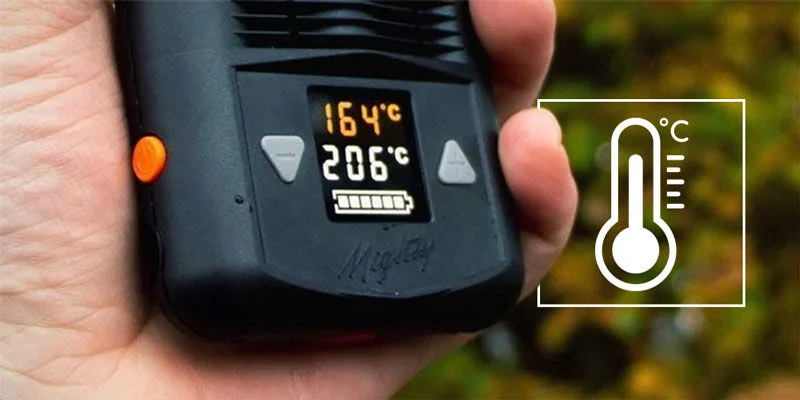
If you’ve ever taken a draw from a dry herb vaporizer and gotten a thin, barely-there wisp of vapour, or worse, a harsh burnt taste, the culprit is almost always the same thing: temperature. Getting your temperature settings right is the single biggest variable in how your vaporizer performs. Too low and you’re not activating the compounds you’re after. Too high and you’re scorching your material and losing flavour entirely. This guide breaks down how temperature control works, what ranges to aim for, and how to find the sweet spot for your routine.
Why Temperature Control Matters
The way a vaporizer works is fundamentally different from smoking. Instead of combustion, a vaporizer heats your material to a specific temperature, turning the active compounds into inhalable vapour without burning the plant matter itself. That distinction matters a lot for the quality of what you’re inhaling.
Think of it like cooking. A steak cooked at the right temperature is tender and flavourful. Crank the heat too high and you’ve got something charred on the outside and compromised throughout. Cannabis flower behaves similarly. Different compounds activate at different temperatures, and the range you choose determines which ones you’re getting and in what proportion.
The two things most vapers are chasing, flavour and vapour density, actually pull in opposite directions on the temperature dial. Understanding that tension is what temperature control is really about. Browse The Purple Leaf’s vape selection to find products worth dialling in.
The Temperature Ranges and What They Do
Low range: 157°C to 177°C (315°F to 350°F)
This is the flavour zone. At lower temperatures, the delicate aromatic compounds called terpenes are preserved rather than burned off. Terpenes are responsible for the distinct aromas and flavour profiles you notice in different cannabis strains, and they’re the first thing to go when temperatures climb too high. If you’ve ever wondered why two strains with similar THC percentages taste completely different, terpenes are a big part of the answer.
Vapour at this range tends to be lighter and smoother, which many people find easier on the throat. The tradeoff is that cloud density is minimal and effects may feel less immediate. This range is ideal for sessions where flavour is the priority and you’re in no particular hurry.
Mid range: 177°C to 210°C (350°F to 410°F)
This is where most dry herb vaporizer users spend their time, and for good reason. The mid range gives you a genuine balance of flavour and vapour production. Terpenes are still active at the lower end of this range, while THC and other cannabinoids are being efficiently activated throughout. Vapour is noticeably denser than at lower temperatures, and the overall experience feels more substantial.
If you’re new to dry herb vaporizers and unsure where to start, the 185°C to 195°C range is a solid default. It’s forgiving, it performs well across a variety of strains, and it gives you a benchmark to adjust from.
High range: 210°C and above (410°F and above)
Higher temperatures produce the densest vapour and the most intense experience, but they come with real tradeoffs. At these temperatures, terpenes have mostly burned off, so the flavour becomes harsher and less nuanced. The draw can feel rougher on the throat, especially in a long session. Some people use higher temperatures deliberately at the end of a session to fully extract what’s left from already-vaped material, which is a legitimate technique, but starting a fresh session this high tends to sacrifice a lot of what makes good flower worth vaping in the first place.
Convection vs Conduction: Why It Affects Your Temperature Settings
Not all dry herb vaporizers heat the same way, and understanding the difference can help you calibrate your expectations.
Conduction vaporizers heat your material through direct contact with a hot surface. They tend to heat up quickly and are common in more affordable devices. The downside is uneven heating: the flower touching the chamber wall gets hotter than what’s in the centre, which can lead to inconsistent vapour and some risk of combustion at higher settings if the chamber is tightly packed.
Convection vaporizers pass hot air through your material rather than heating it through direct contact. The result is more even, consistent heating across all of your flower, which generally means better flavour preservation and more predictable results at each temperature setting. Convection devices tend to sit at a higher price point, but for serious dry herb consumers, the difference in quality is often noticeable.
If you’re using a conduction vaporizer, keep in mind that the stated temperature on the device may not perfectly reflect what your flower is actually experiencing. Starting a few degrees lower than you think you need and working up from there is especially good advice with these devices.

Practical Tips for Getting the Most Out of Your Temperatures
Grind your flower consistently. A uniform grind means more even surface area exposure and more consistent heating throughout the chamber, regardless of which temperature range you’re using. Uneven chunks lead to uneven vaporization.
Don’t overpack the chamber. A tightly packed chamber restricts airflow, which affects how evenly the hot air moves through your material in convection devices and how consistently the surface heats in conduction ones. A comfortably full chamber with a little room to breathe performs better than one that’s stuffed.
Take slow, steady draws. Pulling too hard and fast can drop the chamber temperature mid-draw, which leads to inconsistent hits. A slow, controlled inhale gives the device time to maintain its target temperature.
Start low and work up within a session. Many experienced dry herb consumers run a session across a temperature progression: starting at a lower setting to extract the most flavour from fresh material, then stepping up in increments as the session continues to fully activate what remains. This approach gets more out of your flower and gives you a more layered experience overall.
Keep your device clean. Residue buildup in the chamber and on the mouthpiece affects both flavour and airflow over time. A quick brush-out after each session and a deeper clean every few uses keeps your device performing at the level it was designed for.
Choosing a Device with Good Temperature Control
Not every vaporizer gives you the same level of precision. Entry-level devices often offer preset temperature modes rather than exact degree control, which is fine for casual use but limits how precisely you can dial in your experience. Devices with digital displays and precise single-degree adjustments give you far more control over the variables covered in this guide.
When shopping for a dry herb vaporizer, look for accurate temperature settings, quality heating chamber materials such as ceramic, quartz, or stainless steel, and a reputation for consistent performance. The team at The Purple Leaf can help point you toward accessories and devices that pair well with the flower in our selection.
Common Questions About Vaporizer Temperature
Why does my vaporizer taste burnt even at moderate temperatures?
The most common causes are an overpacked chamber restricting airflow, residue buildup affecting the heating surface, or flower that has dried out too much before use. Try a lighter pack, a thorough cleaning, and check the freshness of your flower.
What temperature is best for a dry herb vaporizer beginners?
Starting around 185°C to 190°C gives you a reliable, balanced experience that works well across most strains. From there you can experiment with lower settings for more flavour or higher settings for more vapour density.
Does temperature affect how long the effects last?
To some extent, yes. Higher temperatures activate a broader range of compounds more quickly and completely, which can feel more immediate and intense. Lower temperatures give a more gradual, layered experience that some people find more manageable.
Is vaping at lower temperatures less effective?
Not necessarily. Lower temperatures still activate THC and CBD effectively, just with more emphasis on flavour and a smoother draw. The experience feels different rather than lesser, and for many people, the flavour quality at lower temperatures makes it their preferred approach.
The Bottom Line
Temperature control is the single most impactful variable in dry herb vaping, and once you understand what each range is actually doing, it stops feeling like guesswork and starts feeling like a genuine tool. Start in the mid range, pay attention to how your flower responds at different settings, and adjust from there. Visit The Purple Leaf to explore our flower selection and find strains worth vaping at every temperature.
Shop related at The Purple Leaf: vaporizers
Same-day weed delivery in London, Ontario on orders before 12:00 PM EST.