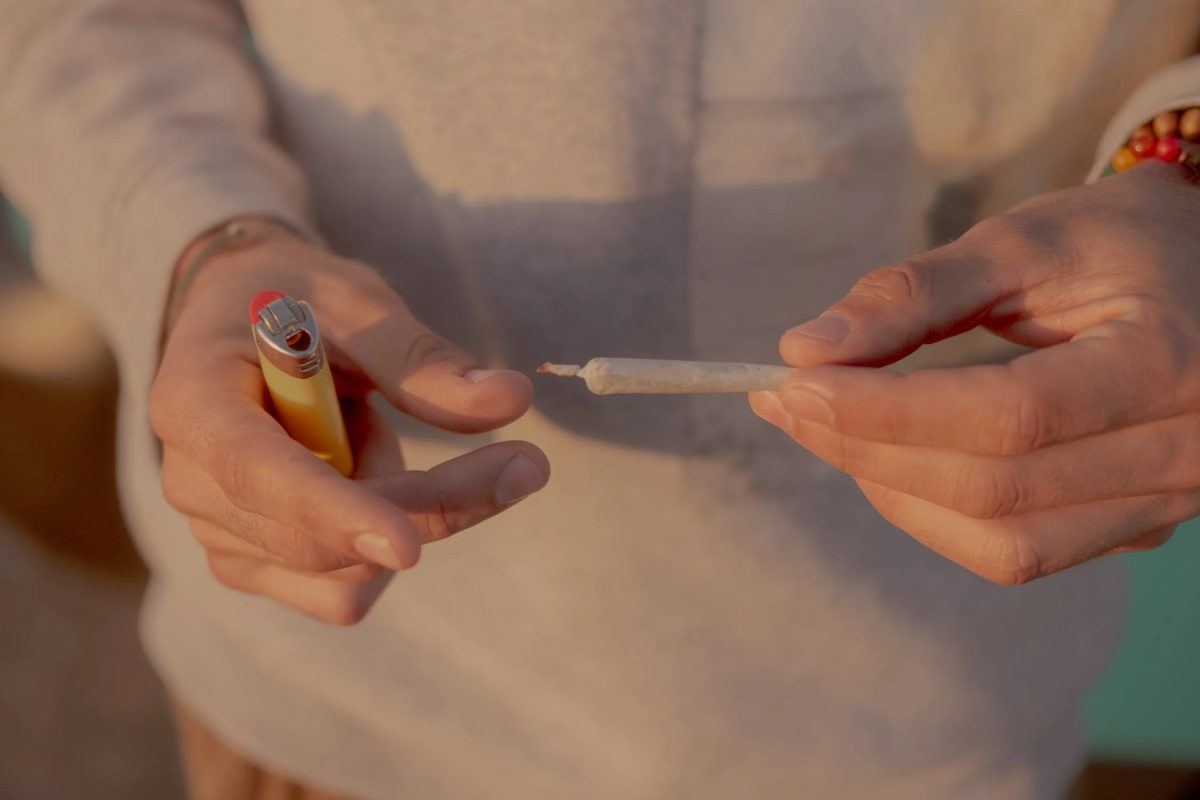


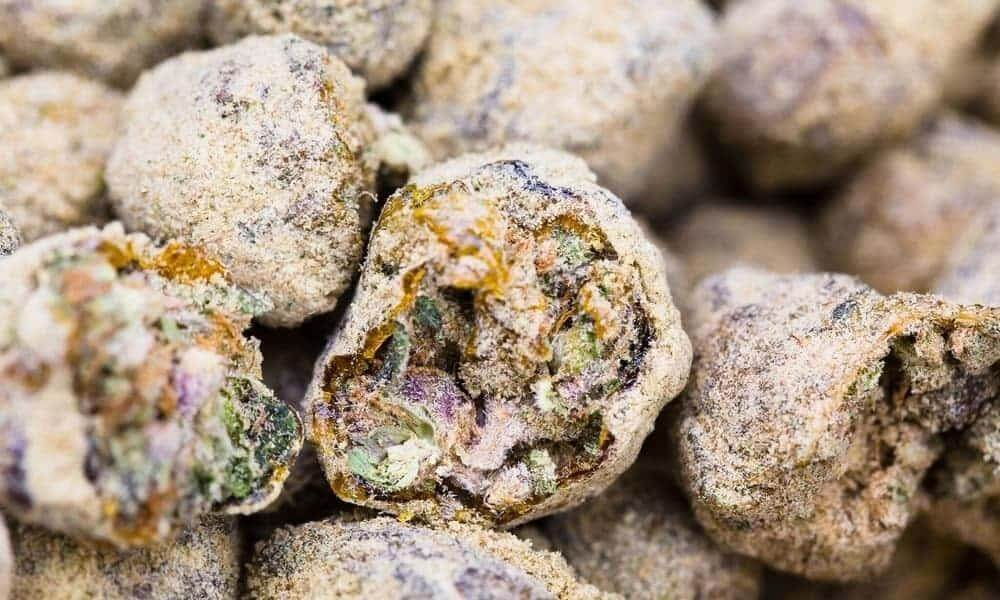
Cannabis moon rocks are one of those products that look almost too extreme to be practical — a whole bud coated in oil and rolled in kief, built to stack cannabinoids from three separate sources into a single gram. The short answer to whether they get you higher: yes, significantly. Standard dried flower runs 15 to 25% THC. Moon rocks typically test between 40 and 70% depending on the quality of the layers. Here’s what’s actually inside them, why each layer matters, and how to consume one without wasting most of it.
What Moon Rocks Are Made Of
A cannabis moon rock is three things: a whole flower nug as the structural base, a coating of cannabis oil or concentrate as the potency driver, and an outer shell of kief. Each layer serves a specific role, and the combination is what produces the potency numbers that make moon rocks a distinct category from anything else on the cannabis shelf.
The Flower: Foundation and Combustion Vehicle
The whole nug at the centre of a moon rock is both the structural foundation and the thing that actually burns. Dense, intact buds hold the oil and kief coating in place and determine how evenly the product burns. Producers who use full nugs are building the product correctly. Trim, shake, or broken-down material at the base produces uneven burning and signals that a corner was cut.
The quality of the base flower also contributes to the overall terpene and cannabinoid profile, though its contribution is relatively modest compared to the oil coating layered over it. If you’re evaluating a moon rock on the shelf, the visible nug structure tells you something useful about how the product was put together.
The Oil: The Primary Potency Driver
The concentrate coating is where most of the cannabinoid content in a moon rock comes from. By weight, the oil contributes more to the total THC figure than the flower beneath it, which is what puts moon rocks in a different potency category from even high-percentage dried flower.
Distillate, live resin, and hash oil are all commonly used as the binding layer. Each brings a slightly different flavour and cannabinoid character to the finished product. Distillate is high in THC and more flavour-neutral on its own. Live resin carries the terpene-forward character of the source cannabis more expressively. The colour of the oil is one of the clearest visible quality indicators: amber or golden oil signals cleaner extraction, while dark brown oil points toward a lower-grade concentrate.
The oil layer also serves a practical function: it’s what the kief sticks to. Without a proper coating, the outer shell wouldn’t adhere and the product wouldn’t hold together.
The Kief: Terpene-Rich Outer Shell
Kief is the fine, powdery trichome material collected from cannabis flower — the same stuff that accumulates in the bottom chamber of a quality grinder. On a moon rock, it forms the outer shell and adds both cannabinoid content and terpene complexity on top of what the oil already contributes.
Well-applied kief should adhere firmly to the oil coating without transferring to your fingers on contact. Kief that dusts off when you pick up the product is a sign of lower-quality construction. Quality moon rocks hold their shape and coating consistently from purchase through the session.
The kief layer is where a lot of the flavour complexity in a good moon rock comes from. Unlike the oil, which often has a more uniform character depending on the extraction method, kief retains more of the aromatic terpene profile from the source flower, giving the outer burn a distinctly different character from the layers beneath.
How Potent Are Moon Rocks Compared to Regular Flower?
Considerably more potent, and the gap is significant enough to matter for how you approach them.
Quality dried flower from Canada’s legal market runs between 15 and 25% Total THC depending on the strain and producer. Moon rocks, because cannabinoids stack across all three layers, typically test between 40 and 70% total cannabinoids. That range reflects real variation depending on the quality of the flower used, the potency of the oil, and how generously the kief is applied. A moon rock at the lower end of that range is still roughly double the strength of premium dried flower.
Effects from moon rocks typically begin within 5 to 15 minutes and continue building for around 30 minutes after the first hit. The full experience usually lasts four to six hours, which runs significantly longer than a standard flower session. That extended timeline is worth factoring into your plans before you light one. The Purple Leaf carries concentrates and infused products for anyone looking to explore higher-potency formats.
Moon Rocks vs Sun Rocks
These two products get confused regularly because they share a general concept and similar visual appearance. The differences are meaningful.
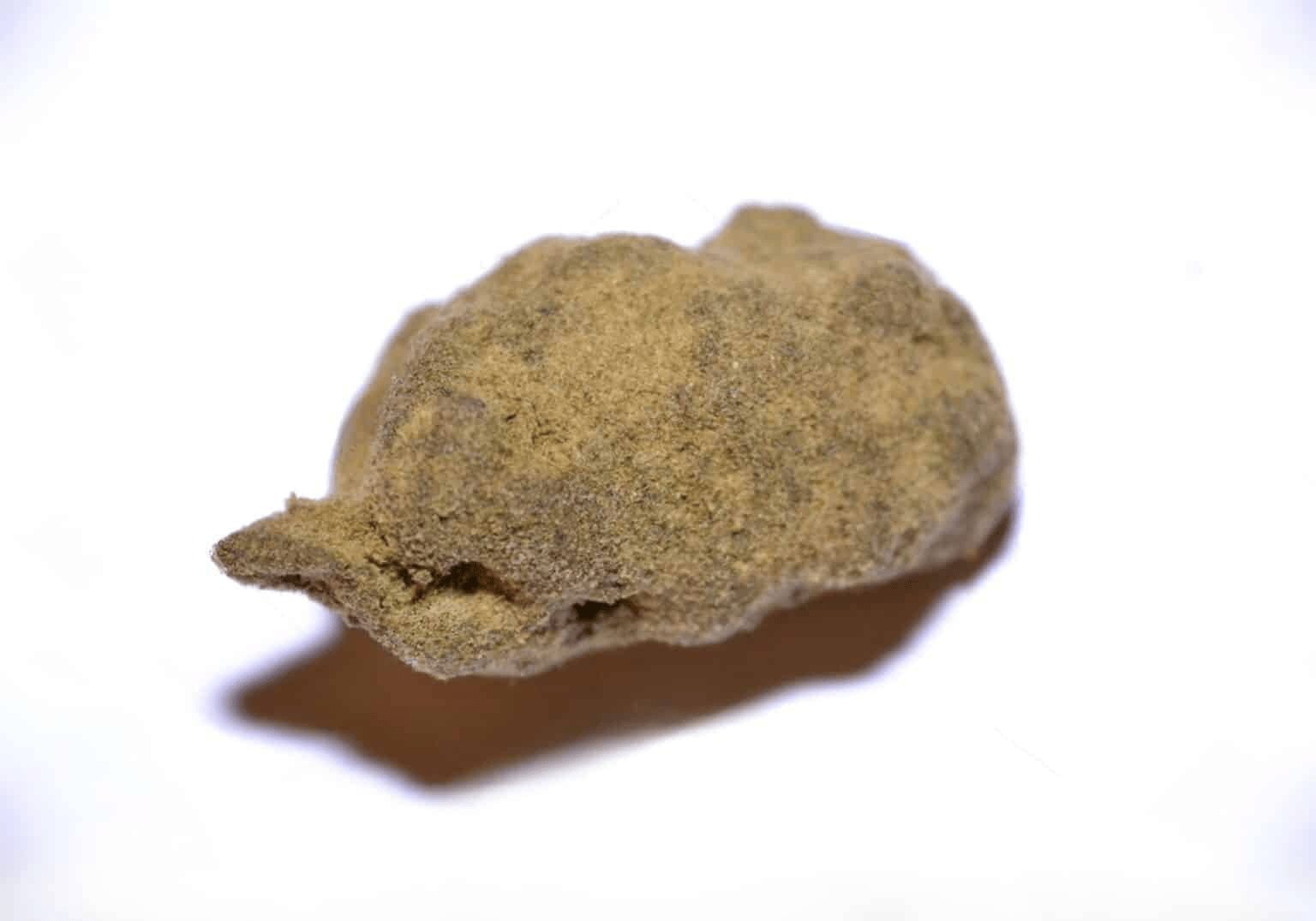
Moon rocks use flower, oil, and kief from different strains mixed and matched across the three layers. The result tends to be a dense, complex experience with a layered terpene profile from the kief coating.
Sun rocks take a more refined approach: top-shelf flower and higher-grade concentrate that are matched to the same strain, typically CO2 or BHO oil, but skip the kief coating entirely. Because all three layers come from the same genetic source, sun rocks produce a purer, more strain-specific experience with cleaner flavour and stronger per-hit potency. You can usually tell them apart visually because sun rocks don’t have the dusty kief exterior.
Sun rocks regularly exceed 80% THC because the higher-grade concentrate used in the oil layer pushes the total up. Moon rocks typically land between 40 and 70% because the oil quality varies more widely across products.
Neither format is objectively better. Moon rocks offer more terpene complexity from the kief shell and tend to be more widely available at accessible price points. Sun rocks deliver a cleaner, more potent, more strain-specific experience for consumers who want that level of precision.
How to Smoke Moon Rocks Without Wasting Them
Moon rocks cost more per gram than standard flower, and their construction means standard habits work against you. A few specific adjustments make the experience significantly more efficient.
Skip the grinder. This is the most important practical note. The oil in a moon rock will gum up a grinder’s teeth immediately and the kief coating falls through the gaps rather than being collected. Use scissors or break the product apart with a blade instead. If the moon rock is particularly sticky, chilling it briefly in the freezer firms up the oil coating and makes cutting noticeably cleaner.
Use a pipe or bong rather than rolling papers. Rolling moon rocks into joints causes uneven burning and hot spots that waste product. A glass pipe or bong gives you single, controlled hits and a far more consistent experience from start to finish.
Layer them between regular flower in the bowl. Place a small piece of moon rock between two layers of dried flower. The flower cushions the burn on both sides and prevents melted concentrate from dripping through the bowl opening. It also distributes the potency more evenly across the session rather than concentrating it in a single hit.
Start smaller than you think you need to. A piece roughly the size of a match head is a sensible starting point, particularly if you haven’t used moon rocks before or haven’t tried this specific product. Give the first hit 20 to 30 minutes to register before deciding whether to continue. The effects build considerably after the first hit and take time to reach their peak. The extended four to six hour duration means misjudging the starting amount has real consequences for the rest of your evening.
Moon Rocks in Canada’s Legal Market
Moon rocks are available through Canada’s legal cannabis market, sold by licensed producers and clearly labelled with cannabinoid content before reaching the shelf. Every product sold through a licensed retailer like The Purple Leaf has been tested and verified for potency accuracy, which matters particularly for a high-potency product where knowing what you’re working with is essential.
The labelled Total THC percentage on a moon rock reflects the verified combined cannabinoid content across all three layers. Reading that number before you buy, alongside the weight of the product, gives you an accurate sense of what you’re getting. A 1g moon rock at 50% Total THC contains considerably more active THC than a 1g pre-roll at 22% Total THC — knowing that before you consume rather than after is exactly what regulated labelling is designed to support.
Who Moon Rocks Are Best Suited For
Moon rocks are explicitly not a beginner product. The combined potency of three stacked cannabinoid layers, the extended duration of effects, and the intensity of the peak make them better suited to experienced cannabis consumers who have a reliable sense of their own tolerance and how high-potency products affect them.
If you’re newer to cannabis or haven’t yet developed a clear sense of how concentrated products land for you, building familiarity with quality dried flower or moderate-strength concentrates first is the sensible path. Once you have a reliable baseline, moon rocks become a more manageable exploration.
For experienced consumers who already use concentrates, shatter, or infused pre-rolls regularly, moon rocks are a natural next step — a format that stacks the potency and complexity of multiple product types into one product in a way that’s genuinely distinct from anything else on the shelf.
Common Questions About Moon Rocks
How do moon rocks compare to infused pre-rolls?
Both are infused products that combine flower with concentrate, but the construction differs. Infused pre-rolls distribute concentrate throughout ground flower, often with kief applied to the outside of the paper. Moon rocks keep the whole nug intact and coat it in layers. Moon rocks tend to have higher per-gram cannabinoid content than most infused pre-rolls, and the consumption method differs significantly — you can’t roll a moon rock into a joint effectively.
Can you use moon rocks in a vaporizer?
Not a dry herb vaporizer designed for flower. The oil content will coat the heating chamber and cause significant residue buildup that’s difficult to clean. If you want to vaporize concentrate alongside flower, a dedicated concentrate vaporizer or a quartz banger on a dab rig is the appropriate tool.
How should I store moon rocks?
In an airtight container in a cool, dark spot, the same way you’d store quality concentrate. The oil coating makes moon rocks more sensitive to heat than regular flower — warm temperatures can cause the coating to soften and the kief to shift or fall off. Avoid leaving them anywhere with significant temperature variation, and keep the container sealed between sessions to preserve the terpene character of the kief layer.
Do moon rocks go stale?
The oil and kief layers both degrade over time with exposure to air, heat, and light. Terpenes evaporate gradually, the kief loses potency, and the oil can darken. Consuming moon rocks relatively soon after purchase and storing them properly between sessions is the best way to get the full experience the product is built to deliver.
Are moon rocks worth the price premium over regular flower?
For an experienced consumer looking for a specific kind of session, yes. The per-gram cost is higher than dried flower, but the cannabinoid content per gram is considerably higher too. Comparing cost per milligram of THC rather than cost per gram gives a more accurate picture of value. Where moon rocks genuinely earn their price is in the experience itself — the layered complexity of flower, oil, and kief in combination is a distinct format that regular flower or a standard concentrate alone doesn’t replicate.
The Bottom Line
Cannabis moon rocks are a three-layer product: whole flower coated in cannabis oil, rolled in kief, and built to stack cannabinoids from each layer into a combined potency that significantly exceeds regular dried flower. At 40 to 70% total cannabinoids in the category, with effects lasting four to six hours, they’re a format built for experienced consumers who want something substantially more intense than their usual rotation. Approach them with smaller amounts than you think you need, use glassware rather than papers, and give the first hit time to fully register before continuing. Visit The Purple Leaf to explore our concentrates and infused product selection and find the right high-potency option for your experience level.
Shop related at The Purple Leaf: pre-rolls & moon rockets · cannabis flower
Buy pre-rolls online in Canada · Same-day weed delivery in London, Ontario on weekday orders placed before noon (12:00 PM EST).