

The short answer is yes — but barely, and nothing like fresh flower. Pipe resin typically tests around 12% THC, compared to the 15 to 25% you’d find in quality dried flower from a licensed Canadian retailer. The experience isn’t just weaker; it’s a different kind of heavy, and understanding why helps explain what’s actually happening when you scrape the bottom of a used pipe.
What Pipe Resin Actually Is
Pipe resin is combustion residue. It’s the dark, sticky buildup that accumulates inside a bowl or pipe after repeated sessions — a mixture of tar, ash, carbon byproducts, and whatever cannabinoids weren’t fully vaporized when the flower was burned. Nobody makes it deliberately. It’s what’s left over.
This is worth distinguishing from two other things that share the name:
Pipe resin is the black combustion residue from a flower pipe. This is what this article is about.
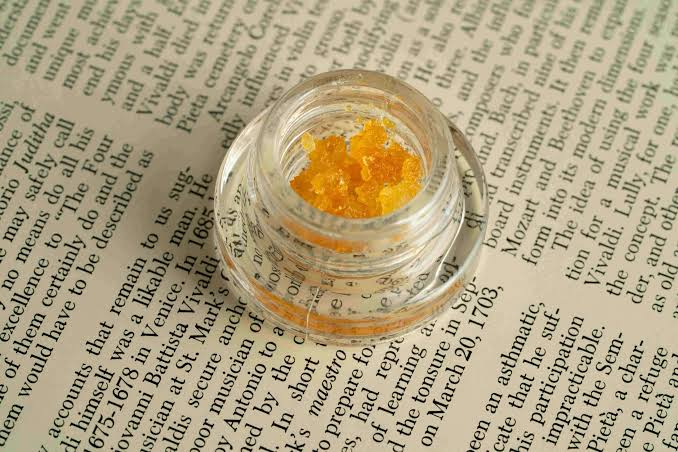
Live resin is a premium cannabis concentrate made from fresh-frozen cannabis, testing at 60 to 80% or more THC. It’s unrelated to pipe resin despite sharing part of the name, and it’s what you’re looking at when you see live resin cartridges and concentrates at The Purple Leaf.
Dab rig reclaim is the amber residue that collects inside a dab rig after vaporizing concentrates. It’s considerably cleaner than pipe resin and retains between 33 and 65% total cannabinoids, making it a meaningfully different product.
Knowing which one you’re talking about changes everything about how to evaluate it.
Why Resin Hits Feel Heavy Rather Than Strong
This is the part that trips most people up. Resin hits can feel intense, but the intensity is a heavy, lethargic quality rather than the clear, functional high you’d get from fresh flower. The reason is chemistry, specifically what happens to THC over time.
When THC is exposed to heat, light, and air repeatedly — exactly the conditions inside a used pipe — it degrades into CBN, or cannabinol. CBN is a cannabinoid that forms as THC ages, and it produces a heavier, more sluggish effect than fresh THC. In well-maintained fresh flower, CBN is nearly absent. In pipe resin, it accumulates considerably because the residue sits in warm, air-exposed conditions between every session.
Terpenes are also largely gone by the time resin forms. Those aromatic compounds evaporate quickly, and what’s left is a cannabinoid profile skewed toward degraded compounds without any of the full-spectrum character of the original flower. The result is harsh, acrid, and flavourless in a way that fresh cannabis simply isn’t.
This resolves the contradiction you’ll often hear: some people say resin hits harder, others say it’s weaker. Both are partially right. Total THC is lower than fresh flower, but elevated CBN creates a concentrated, couch-lock quality that can feel intense in an unpleasant, groggy way. It’s not a higher experience — it’s a different and generally less enjoyable one.

Comparing Pipe Resin, Reclaim, and Quality Concentrates
The difference between combustion residue and a purpose-made cannabis concentrate is significant enough to make the comparison useful.
Pipe resin sits at roughly 12% maximum THC, contains elevated CBN, carries tar and ash from combustion, and has zero quality verification of any kind. Nobody tested it, nobody produced it intentionally, and there’s no way to know exactly what’s in it.
Dab rig reclaim is a step above. It retains between 33 and 65% total cannabinoids depending on the quality of the original concentrate and how long it’s been sitting. The combustion byproducts that make pipe resin so harsh are largely absent because concentrates are vaporized rather than burned. CBN levels are still elevated compared to fresh product, so the experience still leans heavy and lethargic, but it’s a cleaner residue with better cannabinoid retention.
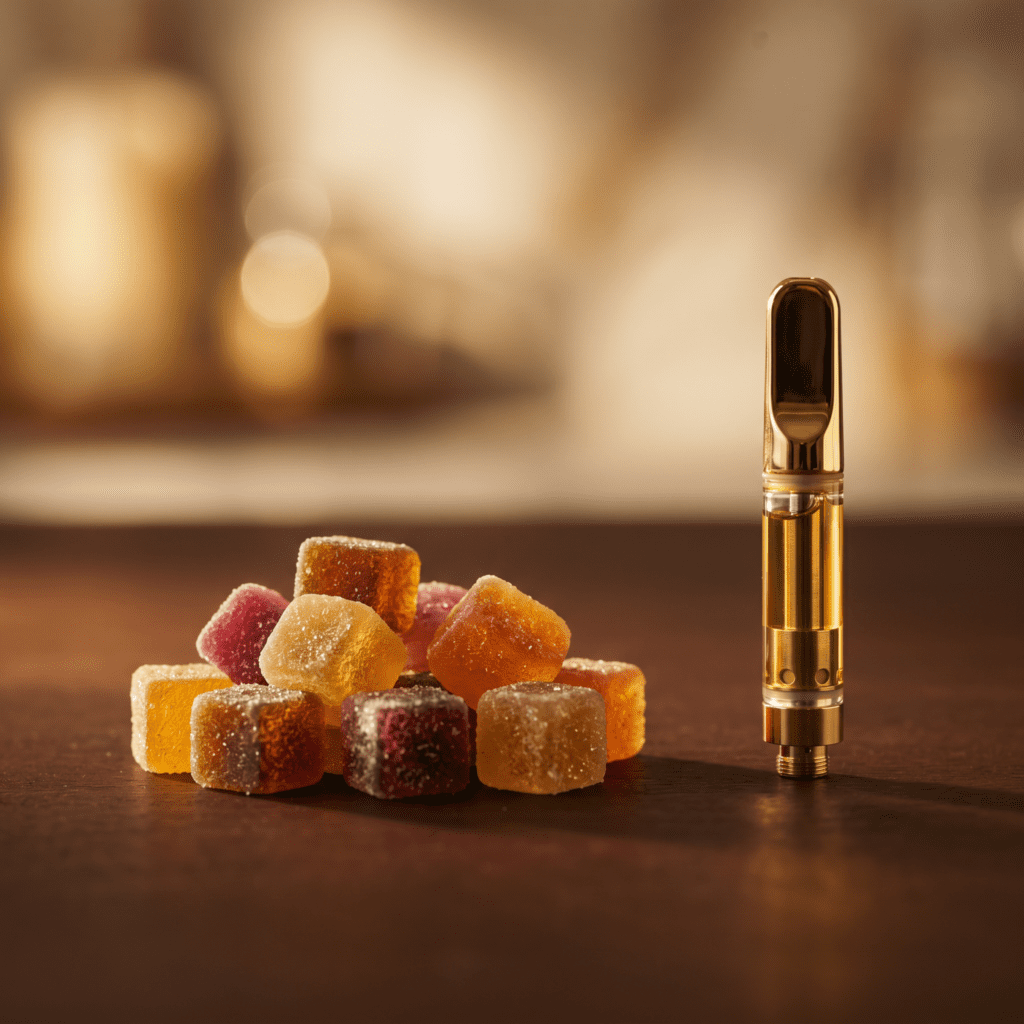
Quality concentrates like live resin, rosin, shatter, and hash are in a completely different category. Purpose-made, extracted from quality cannabis, and tested by licensed producers before reaching the shelf, these products deliver potency levels of 60% or higher alongside verified cannabinoid and terpene profiles. When you buy a concentrate from The Purple Leaf, the label tells you exactly what’s inside and that it’s been tested for potency, pesticides, and contaminants.
Why the Legal Market Makes the Comparison Even Clearer
In Canada’s regulated cannabis market, every concentrate sold through a licensed retailer has been produced by a federally licensed producer, tested by accredited labs, and labelled with verified cannabinoid content before it reaches the shelf. The THC percentage on a shatter, rosin, or live resin product isn’t an estimate — it’s a confirmed figure from third-party testing that Health Canada requires before the product can be sold.
Pipe resin has none of that. It’s unintentional, untested residue with degraded cannabinoids and combustion byproducts. The difference between scraping a used bowl and picking up a labelled, tested concentrate isn’t just a question of potency — it’s a question of knowing what you’re actually consuming. The Purple Leaf’s concentrates selection offers shatter, live resin, rosin, hash, and kief, each clearly labelled and produced by licensed Canadian cannabis companies.
What Actually Hits Better: A Quick Guide
If you’re considering pipe resin because you’ve run out of product and want to stretch what’s available, there are better options worth knowing about.
Kief is the fine trichome material that collects at the bottom of a quality grinder. It’s significantly more potent than pipe resin, retains its terpene character, and can be sprinkled into a bowl or joint to extend flower without the harshness and degraded cannabinoid profile of resin. If you have a multi-piece grinder, checking the bottom chamber is worth doing before reaching for a pipe scraper.
Hash is compressed kief or extracted cannabis resin — intentionally made, not accumulated by accident. It’s available through Canada’s legal market, clearly labelled with cannabinoid content, and produced from quality cannabis rather than combustion leftovers. A small amount of hash goes considerably further than an equivalent amount of pipe resin with a cleaner, more pleasant experience.
Pre-rolls and flower are the most accessible alternative. If you’re out of product, a quick trip to The Purple Leaf gets you fresh, labelled cannabis without the harshness, tar, and CBN-heavy grogginess that come with scraping a used pipe.
Common Questions About Pipe Resin
Is resin stronger than fresh flower?
No. Fresh flower from Canada’s legal market averages 15 to 25% THC depending on the strain and producer. Pipe resin typically tests around 12% maximum THC, with a higher CBN content that makes the experience feel heavy and lethargic rather than potent in the way fresh cannabis is.
Can you eat pipe resin to get high?
Technically yes, but the tar content makes it genuinely unpleasant and the cannabinoid content is too low to make it worthwhile. Dab rig reclaim is the only residue form with enough cannabinoid retention to consider for edible use, since its cannabinoids are already in active form from the vaporization process. Pipe resin from a flower bowl isn’t worth it.
Does dab rig reclaim get you higher than pipe resin?
Yes, significantly. Dab rig reclaim retains between 33 and 65% total cannabinoids compared to pipe resin’s 12% maximum THC. The combustion byproducts that make pipe resin harsh are absent from reclaim. It still has elevated CBN compared to fresh concentrate, but it’s a meaningfully better product.
Why does a resin hit feel so heavy and unpleasant?
Elevated CBN from THC degradation is the primary cause. CBN is associated with a heavy, lethargic, couch-lock quality that differs significantly from the effect of fresh THC. Combine that with tar, ash, and the absence of terpenes, and the result is an experience that feels intense in an uncomfortable way rather than enjoyable in the way fresh cannabis does.
What’s the difference between pipe resin and live resin?
They share part of a name and nothing else. Pipe resin is unintentional combustion residue from a used flower pipe, testing around 12% THC with elevated CBN and no terpenes. Live resin is a premium cannabis concentrate extracted from fresh-frozen cannabis specifically to preserve the full terpene profile, testing at 60 to 80% THC or higher. They’re entirely different products.
The Bottom Line
Pipe resin will get you high, but barely, and not in a way that feels anything like fresh cannabis. Around 12% maximum THC, elevated CBN that creates a heavy and lethargic effect, tar and ash from combustion, and zero quality verification — it’s the bottom of the cannabis quality spectrum. If you’re reaching for resin because your supply has run out, checking your grinder for kief is a better first move, and a visit to The Purple Leaf is a better second one. The concentrates shelf has shatter, hash, live resin, and rosin that cost more per gram but deliver a verified, intentional experience that pipe resin fundamentally cannot.
Shop related at The Purple Leaf: concentrates · live resin
Buy cannabis concentrates online in Canada · Same-day weed delivery in London, Ontario on weekday orders placed before noon (12:00 PM EST).