

Quick answer: CBD (cannabidiol) is a compound from the cannabis plant that doesn’t cause a high. People often use it hoping for calm, better sleep or relief from aches. A 2022 Health Canada expert committee found early evidence that CBD may help with mild stress and nervousness in the short term, but not enough evidence yet for sleep or minor pain. It considered 20 to 200 mg a day by mouth, for up to 30 days, safe and tolerable for healthy adults, as long as they check with a pharmacist about other medications. In Canada, CBD is regulated as cannabis, so products can’t make health claims.
CBD is everywhere: oils, gummies, creams, drinks and bath products. It’s often described as cannabis without the high, and it’s marketed for everything from stress to sore muscles. Some of that is backed by research, and a lot of it isn’t yet. This guide covers what CBD is, how it differs from THC, what the evidence actually says about relief and mood, how much people take, and how CBD is regulated in Canada.
What Is CBD?
CBD, short for cannabidiol, is one of more than a hundred cannabinoids found in the cannabis plant. In the plant, it mostly exists in a raw acid form called CBDA, which converts to CBD with heat. That’s why Canadian labels list Total CBD, which accounts for that conversion. (Here’s how to read a CBD label.)
Unlike THC, CBD isn’t intoxicating: it won’t make you feel high or impair you the way THC does. Many products combine the two, though, so a product sold as “CBD” can still contain THC. Always check the Total THC on the label.
CBD vs THC
| CBD | THC | |
|---|---|---|
| Makes you high? | No | Yes |
| Impairs driving? | Not on its own, but many CBD products also contain THC | Yes |
| Legal in Canada? | Yes, sold as cannabis through licensed retailers | Yes, sold as cannabis through licensed retailers |
| Red THC symbol on the label? | Only if the product also has more than 10 µg/g of THC | Yes |
| Common forms | Oils, softgels, gummies, topicals, drinks | Flower, pre-rolls, vapes, edibles, extracts |
When the two are taken together, many people find CBD makes a THC experience feel more balanced. For a deeper look at how the two compare, see THC, CBD and beyond.
How Does CBD Work?
Your body has an endocannabinoid system, a network of receptors and signalling molecules involved in things like mood, appetite, sleep and how you feel pain. THC fits into one of its main receptors directly, which is why it gets you high. CBD works differently: it interacts with the system more indirectly and also affects several other receptors in the body. Researchers are still working out exactly how, and those effects are part of why CBD is being studied for so many uses. For the basics, see how cannabis interacts with your body.
CBD for Relief and Mood: What the Research Says
The most thorough Canadian review comes from Health Canada’s Science Advisory Committee on Health Products Containing Cannabis, which published its report on CBD in 2022. Here’s what it found:
- Stress and mood: there’s early evidence that CBD may help with mild stress and nervousness in the short term.
- Sleep: the evidence isn’t strong enough yet. Early data suggest the effect may depend on the dose, with higher doses possibly promoting sleep and lower doses possibly delaying it.
- Pain: there isn’t enough evidence yet that CBD helps with minor aches and pains.
- Serious conditions: severe anxiety, severe pain and diagnosed insomnia need a health care practitioner, not self-treatment.
Outside Canada, a purified CBD medicine has been approved in the U.S. for certain rare, severe forms of epilepsy, but it isn’t approved in Canada, and that research doesn’t apply to everyday CBD products. Many people report feeling calmer or more relaxed with CBD, and that experience is real for them, but individual results vary and the research is still catching up. If you’re considering CBD for a health concern, talk to your doctor or pharmacist first.

How Much CBD Do People Take?
Health Canada’s expert committee concluded that 20 to 200 mg of CBD a day, taken by mouth, for up to 30 days is safe and tolerable for healthy adults, provided they talk to a pharmacist about any other medications they take. Needing CBD for longer than that may point to something that should be looked at by a health care practitioner.
That guidance doesn’t apply to everyone. The committee specifically excluded:
- people who are pregnant or breastfeeding
- children and anyone under the age of majority
- people with significant underlying medical conditions
- people taking medications that could interact with CBD
To work out how much CBD is in a product, multiply the Total CBD by the amount. For example, an oil labelled 25 mg/g in a 30 g bottle holds about 750 mg in total.
Side Effects and Drug Interactions
CBD is generally well tolerated, but it isn’t side-effect free. Reported effects include drowsiness, nausea, decreased appetite, dry mouth and changes in liver function, and some have been seen at doses under 200 mg a day.
Drug interactions are the bigger concern. CBD is processed by the same liver enzymes as many common medications, so it can change how those medications work. Health Canada’s committee flagged this as a key gap in the research and recommended that anyone taking other medications check with a pharmacist first. That includes people on blood thinners, anti-seizure medications, antidepressants and other prescription drugs.
Types of CBD Products
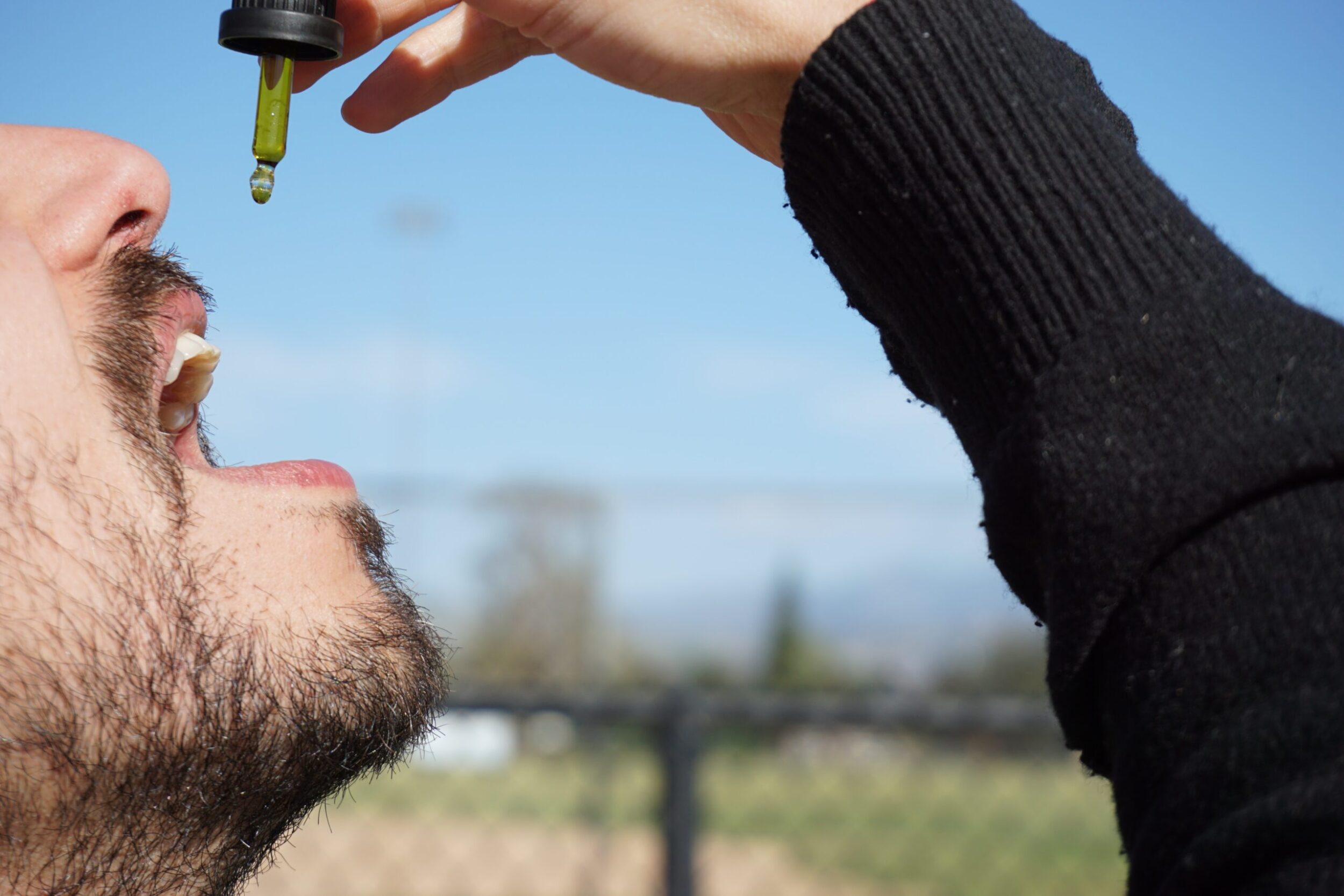
- Oils and tinctures: taken by mouth or held under the tongue. Easy to adjust the amount.
- Softgels and capsules: a fixed amount per capsule, no taste. See gummies vs capsules.
- Gummies, chocolates and drinks: easy to take, but slower to kick in.
- Topicals: creams and balms applied to the skin, labelled for use on skin only.
- CBD-dominant flower and pre-rolls: high-CBD, low-THC strains for smoking or vaping.
You’ll also see full-spectrum, broad-spectrum and isolate on CBD products. These terms describe how much of the rest of the plant is kept, but they aren’t regulated, so the Total THC on the label is what tells you how much THC is really in the product. For more, see 5 things you didn’t know about CBD.
Is CBD Legal in Canada?
Yes, but it’s regulated differently than in the U.S. In Canada, CBD is treated as cannabis under the Cannabis Act. That means:
- Legal CBD products are sold through licensed cannabis retailers, with the same age limits as THC products (19+ in Ontario).
- They come in plain, child-resistant packaging with Total THC and Total CBD on the label.
- Cannabis products, including CBD, can’t be labelled or promoted with health or cosmetic benefit claims.
- Health products containing CBD currently require a prescription. Health Canada has consulted on a possible future pathway for non-prescription CBD health products, but it isn’t in place yet.
Travelling? CBD is still cannabis at the border; see our guide to travelling with weed.
How to Choose a CBD Product
- Check Total CBD and Total THC. Decide whether you want any THC at all.
- Pick a format you’ll actually use. Oil for flexibility, softgels or gummies for a fixed amount.
- Start low and keep it short-term. Stay within the amounts above, and talk to a professional if you find you need it long-term.
- Be wary of big promises. A product claiming to treat anxiety, pain or sleep problems is breaking Canada’s labelling rules.
Browse our CBD products and compare Total CBD and Total THC before you buy.
Frequently Asked Questions
Does CBD get you high?
No. CBD isn’t intoxicating. But many CBD products also contain THC, so check the Total THC on the label.
Does CBD help with anxiety or stress?
Health Canada’s expert committee found early evidence that CBD may help with mild stress and nervousness in the short term. Severe or diagnosed anxiety should be managed with a health care practitioner.
Does CBD help with sleep or pain?
The evidence isn’t strong enough yet. Health Canada’s committee found insufficient evidence that CBD helps with sleep or minor pain.
How much CBD is safe to take?
Health Canada’s expert committee considered 20 to 200 mg a day by mouth, for up to 30 days, safe and tolerable for healthy adults who check with a pharmacist about their other medications. It doesn’t apply to people who are pregnant or breastfeeding, minors, or people with significant medical conditions.
Who should avoid CBD?
People who are pregnant or breastfeeding, anyone under 19 in Ontario, and anyone taking medications that could interact with CBD should talk to a doctor or pharmacist first, or avoid it.
This article is for general information and isn’t medical advice. Weekday orders (Monday to Friday) placed before noon (12:00 PM EST) are delivered the same day; see our London, Ontario delivery page for details. Cannabis is for adults 19+ in Ontario.
Please note: This article is general information, not medical advice. Cannabis affects everyone differently. Talk to a doctor or pharmacist before using cannabis for any health reason, especially if you take medication. You must be 19 or older to buy cannabis in Ontario.
Buy weed online in Canada · Same-day weed delivery in London, Ontario on weekday orders placed before noon (12:00 PM EST).