
This is one of the most common questions new cannabis buyers ask — and one of the most important to answer clearly before someone makes their first purchase. The difference between getting high from THC and feeling the effects of CBD is not a matter of degree. It is a fundamentally different experience produced by two different pharmacological mechanisms.
Understanding the distinction changes how you shop, how you dose, and how you set expectations before you consume.
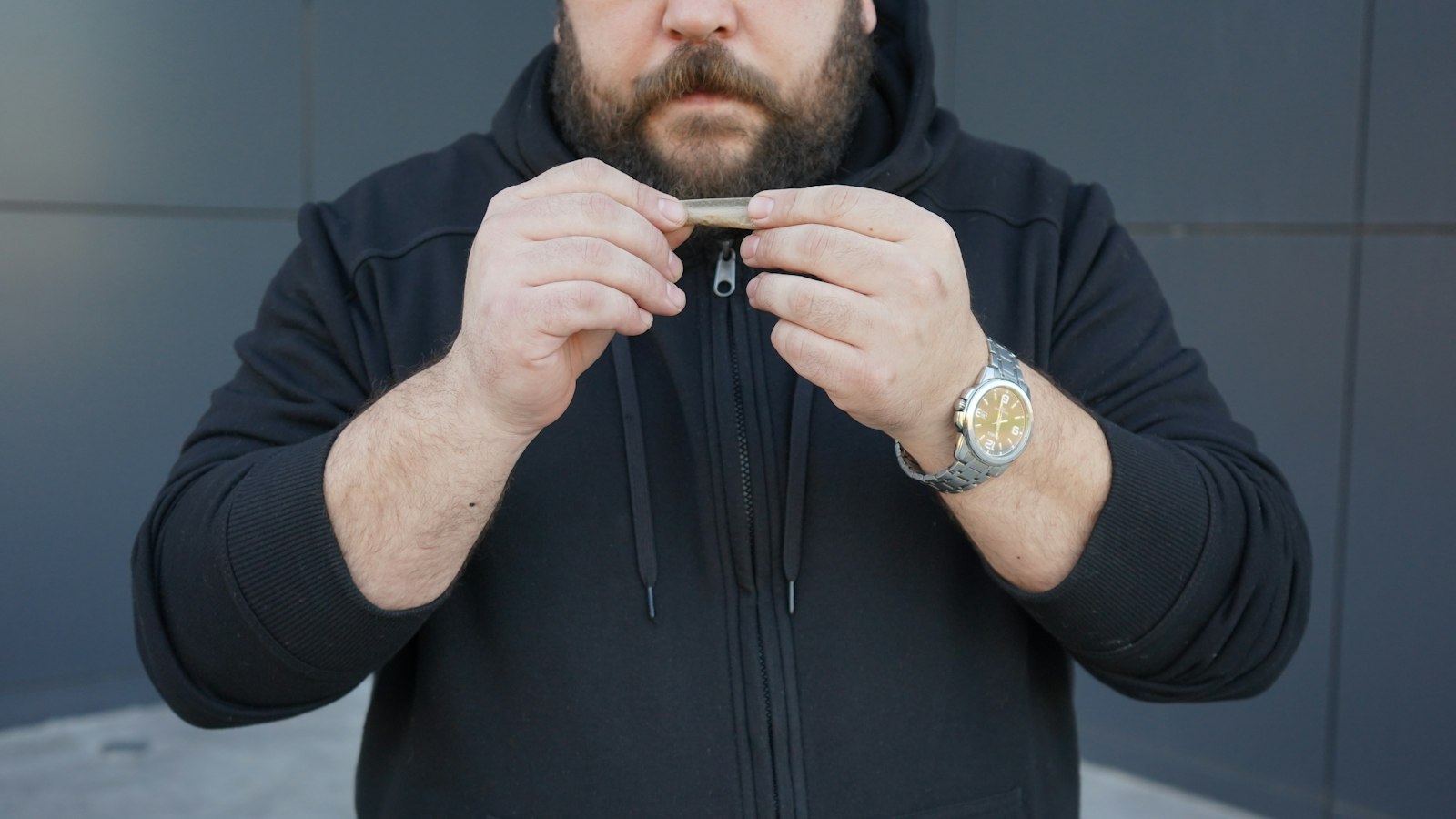
What Getting High From Weed Actually Feels Like
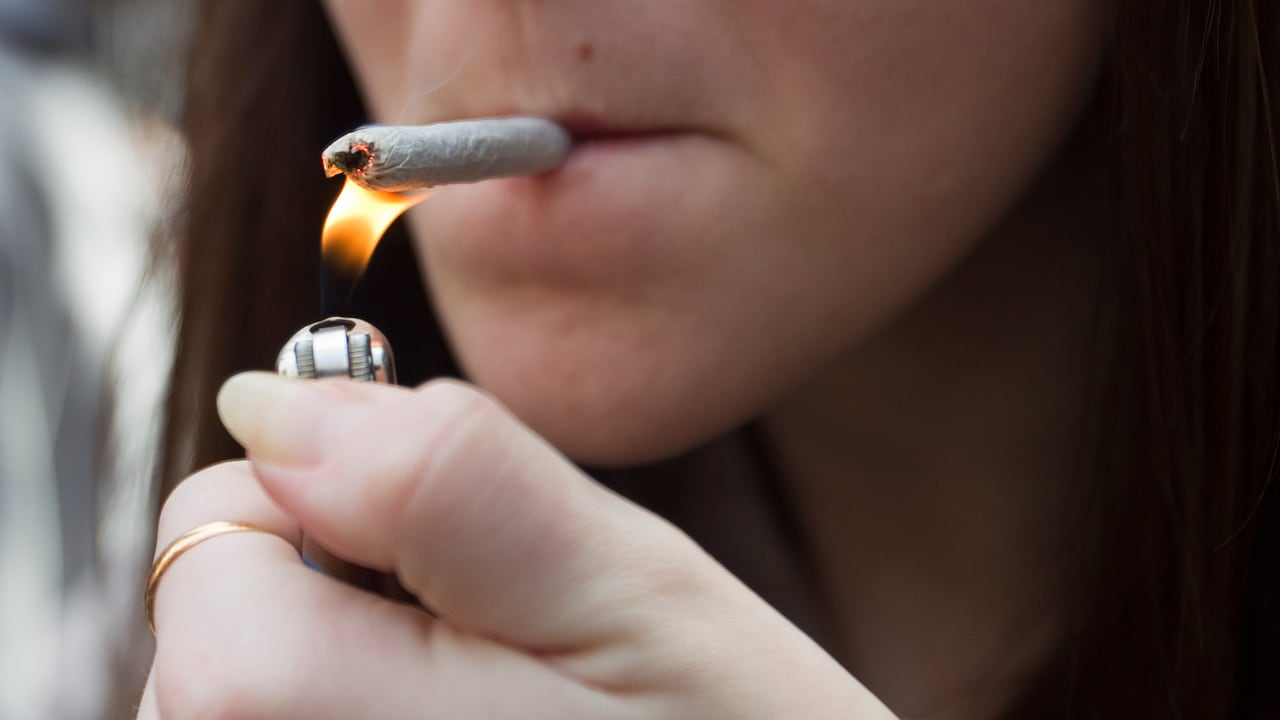
The high produced by THC is psychoactive — it changes how your brain processes information, perception, time, and sensation in ways that are immediately and unmistakably noticeable. The experience varies considerably between individuals, strains, doses, and consumption methods, but the broad characteristics are consistent.
Euphoria and mood elevation. The most immediately recognisable effect of THC for most users is a shift in mood — a warmth, a lightness, a sense of wellbeing that arrives relatively quickly after consumption. At moderate doses this euphoria is pleasant and manageable. At higher doses it can tip into an intensity that some users find overwhelming.
Altered perception. Colours may seem more vivid. Music sounds richer. Food tastes more intense. Time moves differently — most commonly feeling like it has slowed, with minutes feeling like longer intervals than normal. These perceptual changes are direct consequences of THC’s interaction with CB1 receptors in the brain’s sensory processing regions.
Physical sensations. Many users describe a distinctive physical component to the THC high — a warmth or heaviness in the body, a relaxation of muscular tension, a pleasant physical ease that varies in intensity between strains. Indica-dominant strains tend to produce more pronounced physical effects. Sativa-dominant strains produce a more cerebral experience with less body component.
Increased appetite. The stereotype of cannabis-induced hunger — the munchies — is pharmacologically accurate. THC interacts with receptors in the hypothalamus that regulate hunger signalling, producing a genuine increase in appetite that most users experience as a craving for food regardless of actual caloric need.
Cognitive changes. THC at moderate to high doses impairs short-term memory, reduces cognitive processing speed, and can make sequential thinking more challenging. For recreational users this is typically not a concern — but it is why driving after consuming THC is illegal and dangerous, and why high-potency consumption before demanding cognitive tasks is counterproductive.
Duration. When cannabis is smoked or vaped, the high typically peaks within 30 minutes and subsides over 1–3 hours. When cannabis is consumed as an edible, the high is more intense, slower to arrive (30 minutes to 2 hours), and lasts considerably longer — typically 4–8 hours.
Browse our indica, sativa, and hybrid flower menus and edibles range at The Purple Leaf for currently available THC products.
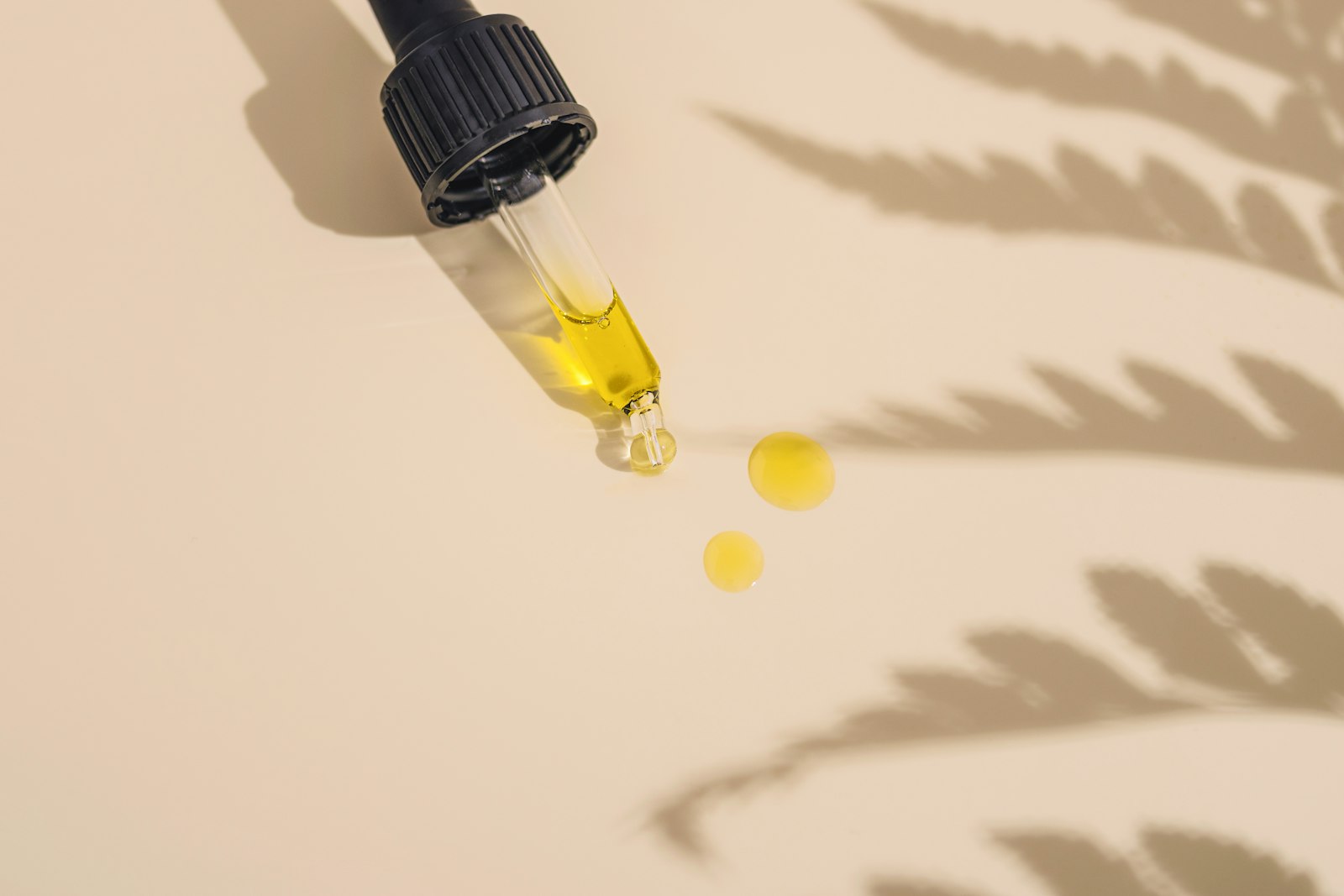
What Feeling the Effects of CBD Actually Feels Like
This is where the most important clarification needs to be made — because many first-time CBD users consume a product and then wait to feel something dramatic that never arrives, concluding either that CBD doesn’t work or that they need a higher dose.CBD does not produce a high. It does not alter perception, produce euphoria, impair cognitive function, change how time feels, or create any of the distinctly psychoactive experiences associated with THC. No matter how much CBD you consume, you will not get high from it. This is not a dose-dependent effect — it is a pharmacological reality rooted in how CBD interacts with the endocannabinoid system.
What CBD does produce is considerably more subtle — and for many users, considerably more useful in their daily life precisely because it is subtle.
A reduction in background anxiety. The most consistently reported CBD effect is a gradual easing of anxiety — not an acute rush of calm, but a settling of the low-level tension that many people carry through their days without fully realising it. Users frequently describe noticing the effect retroactively — “I realised at some point that the tightness in my chest had gone” — rather than experiencing a clear moment of onset.
Physical ease without sedation. CBD’s anti-inflammatory and muscle-relaxing properties can produce a reduction in physical discomfort — the kind of mild, persistent physical tension that accumulates through a working day — without any accompanying sleepiness or cognitive dulling. Many users describe feeling more comfortable in their body without feeling impaired in any way.
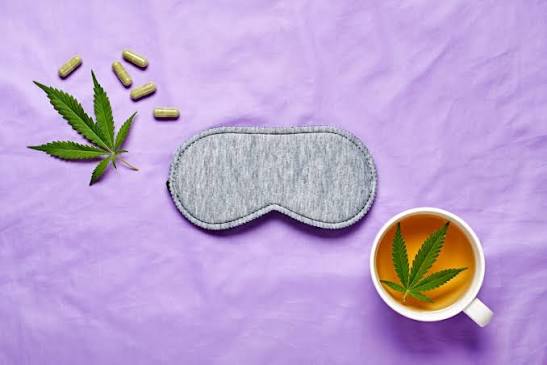
Improved sleep quality. For users whose sleep difficulty is rooted in anxiety or physical discomfort, CBD’s anxiolytic and anti-inflammatory effects can meaningfully improve the ability to fall and stay asleep — but through addressing the underlying barriers to sleep rather than producing the sedation that THC or sleep medications create.
Clearer head. Counter-intuitively, many CBD users report feeling mentally clearer after taking CBD — not because CBD is a stimulant, but because the background noise of anxiety that was consuming cognitive bandwidth has reduced. Less mental restlessness equals more available attention.
Duration. CBD effects from oral products — oils, capsules, edibles — typically persist for 4–6 hours. Unlike THC, the effects are subtle enough that many users couldn’t identify a precise onset and offset — the change is gradual rather than sharp.
Browse our full CBD products range and capsules at The Purple Leaf for currently available options.

Why the Difference Feels So Dramatically Different
The reason THC produces such a vivid, unmistakeable psychoactive experience while CBD produces something so much more subtle comes down to how each cannabinoid interacts with thebrain.
THC binds directly and strongly to CB1 receptors — the cannabinoid receptors concentrated in the brain’s regions responsible for mood, memory, perception, coordination, and appetite. This direct, powerful binding is what produces the high — a significant, immediate alteration in how those brain regions function.
CBD does not bind significantly to CB1 receptors. It interacts with the endocannabinoid system more indirectly — modulating receptor sensitivity, interacting with serotonin receptors, influencing adenosine signalling, and affecting a range of other neurological processes through mechanisms that produce more subtle, diffuse effects rather than the sharp, localised receptor activation that THC produces.
This pharmacological difference is why THC users unmistakably know they are high, while CBD users sometimes aren’t certain the product is doing anything — even when it is.
What Happens When You Combine THC and CBD
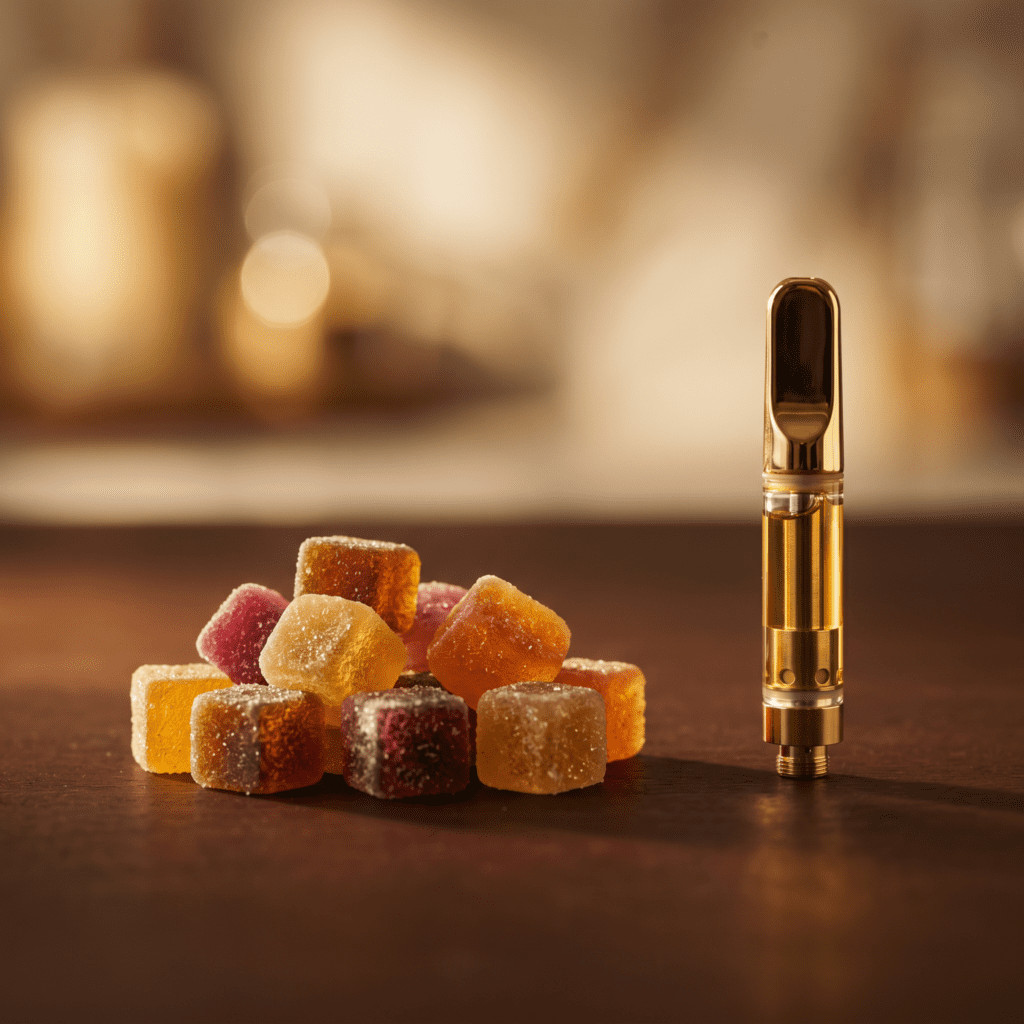
Many cannabis products contain both cannabinoids — and the interaction between them produces a meaningfully different experience than either alone.
CBD appears to moderate several of the less desirable effects of THC. At the neurological level, CBD reduces the efficiency of THC’s binding to CB1 receptors — meaning that a product with significant CBD content produces a less intense, more manageable psychoactive experience than a pure THC product at the same THC dose.
In practical terms, users who find high-THC products occasionally produce anxiety or paranoia frequently report that balanced THC/CBD products at equivalent THC doses are considerably more comfortable — the CBD takes the edge off the intensity without eliminating the psychoactive experience.
This is why balanced 1:1 THC/CBD products are so frequently recommended as a starting point for new cannabis users — they provide a real, noticeable effect that is more forgiving and more manageable than pure high-THC products, while still delivering the psychoactive dimension that many users are seeking.
Browse our edibles menu and vapes section at The Purple Leaf for balanced THC/CBD options.
Common Misconceptions About the Difference
“CBD is just a weaker version of THC.” No. CBD and THC produce categorically different effects through different mechanisms. CBD is not a lower-dose version of the THC experience — it is a distinct pharmacological experience that does not include psychoactivity regardless of the dose.
“You need to feel high for cannabis to be working.” No. For users taking CBD specifically for anxiety, pain, or sleep support, the absence of a high is the point — the therapeutic effect is happening through a mechanism that does not require psychoactivity.
“CBD does nothing.” This is the most common misconception among first-time CBD users who expect a THC-like experience and don’t notice anything dramatic. CBD’s effects are real and pharmacologically meaningful — they are simply subtle, gradual, and felt as an absence of something unpleasant (anxiety, discomfort, restlessness) rather than the presence of something dramatically new.
“High-CBD products can’t get you high at all.” Correct, if the product is genuinely CBD-dominant or CBD-only. However, some products labelled as CBD-forward still contain meaningful amounts of THC — always check the cannabinoid percentages on any product before consuming.
How to Choose Between THC and CBD Based on What You’re Looking For
Choose THC if: You want the classic cannabis experience — euphoria, altered perception, relaxation, appetite stimulation. You’re consuming recreationally and want to feel noticeably different from your baseline state. Browse our flower, edibles, vapes, and concentrates.
Choose CBD if: You want potential wellness benefits — anxiety reduction, pain relief, anti-inflammatory support, sleep improvement — without any psychoactive effect. You need to remain fully functional. You’re cannabis-curious but not ready for any intoxication. Browse our CBD products and capsules.
Choose balanced THC/CBD if: You want some psychoactive effect but want it moderated and managed by CBD. You find pure THC products occasionally produce anxiety. You’re a new THC user who wants a more forgiving first experience.
Not sure? Our team at The Purple Leaf is available Monday to Friday, 9 AM to 8 PM EST, at 519-777-9498 — always happy to help you navigate the options based on what you’re actually looking for.

Frequently Asked Questions
What is the difference between getting high from weed and feeling the effects of CBD? Getting high from THC produces unmistakeable psychoactive effects — euphoria, altered perception, physical relaxation, and cognitive changes. CBD produces no high at any dose — its effects are subtle, gradual, and felt primarily as a reduction in anxiety, discomfort, or restlessness rather than an acute psychoactive experience.
Can CBD get you high? No. CBD is non-psychoactive — it does not produce any high regardless of the dose or product format. This is a pharmacological fact rooted in how CBD interacts with the brain.
Why don’t I feel anything from CBD? CBD’s effects are subtle and often felt retroactively — as an absence of anxiety or discomfort rather than the presence of something dramatically new. If you feel nothing after several weeks of consistent daily CBD use, the dose may need adjustment. Start at 10–25 mg per day and build gradually.
Does CBD make you feel calm like being high? Not in the way THC produces calm through euphoria and altered perception. CBD’s calming effect is more like the easing of background anxiety — a return toward a more comfortable baseline rather than the elevation above baseline that THC produces.
What happens if you take CBD and THC together? CBD moderates the intensity of THC’s psychoactive effects — reducing the risk of anxiety and producing a gentler, more manageable psychoactive experience than pure THC at equivalent doses. Many users prefer balanced products for exactly this reason.
Where can I buy CBD and THC products in Canada? The Purple Leaf carries a full range of both THC and CBD products — flower, edibles, vapes, concentrates, CBD oils, and capsules — available for local London, Ontario delivery and Canada Post shipping Canada-wide. Order at thepurple-leaf.com or call 519-777-9498.
Shop THC and CBD Products at The Purple Leaf
Whether you’re looking for the full THC experience or the subtle wellness effects of CBD, The Purple Leaf has the right product for what you’re after.
Browse our flower, edibles, vapes, concentrates, CBD products, and capsules at thepurple-leaf.com, or call us at 519-777-9498 Monday to Friday, 9 AM to 8 PM EST.
New customer? Subscribe to our newsletter and use code PRIMETIME for 10% off your first order.
The Purple Leaf — London, Ontario’s trusted cannabis dispensary. Licensed, tested, knowledgeable. Local delivery available. Ships across Canada.
Please note: This article is general information, not medical advice. Cannabis affects everyone differently. Talk to a doctor or pharmacist before using cannabis for any health reason, especially if you take medication. You must be 19 or older to buy cannabis in Ontario.
Buy weed online in Canada · Same-day weed delivery in London, Ontario on weekday orders placed before noon (12:00 PM EST).