

What Is Whole Flower Cannabis? A Complete Guide
If you’ve ever stood in front of a cannabis shelf and wondered what separates one bag of bud from another, this guide is for you. Whole flower cannabis is the most popular format in Canada’s legal market, and for good reason. It’s versatile, expressive, and the closest thing to cannabis in its natural form. Whether you’re new to legal cannabis or you’ve been packing bowls for years, here’s everything worth knowing about whole flower.
What Is Whole Flower Cannabis?
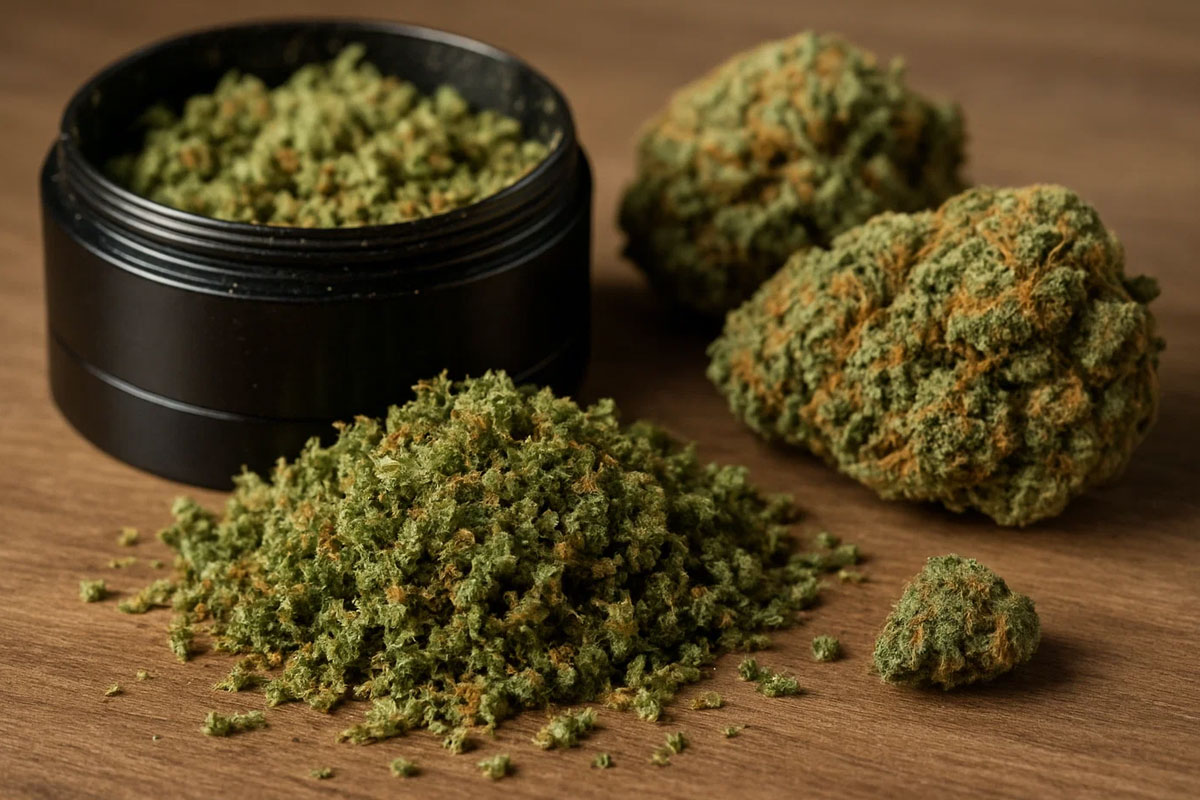
Whole flower cannabis — also called dried flower, or simply bud — is the harvested and cured bloom of the cannabis plant. These are the dense, resinous structures that form on the female plant, rich in the cannabinoids, terpenes, and flavonoids that give each strain its distinct character.
When you buy whole flower from a licensed retailer like The Purple Leaf, you’re getting the closest thing to cannabis in its natural state. No extraction, no processing — just well-grown, properly cured flower ready to use. It’s the original format, and after centuries of use and several years of legal refinement in Canada, it’s still the one most Canadians reach for first.
How Whole Flower Is Grown
A great flower starts long before it reaches your hands, and understanding what goes into it helps you appreciate what you’re buying.
Genetics set the ceiling for what any plant can become. Whether it’s a classic indica lineage, a sativa-forward cultivar, or a cross developed through years of careful breeding, the genetic foundation determines what the plant is capable of producing in terms of cannabinoid content, terpene profile, and growth characteristics.
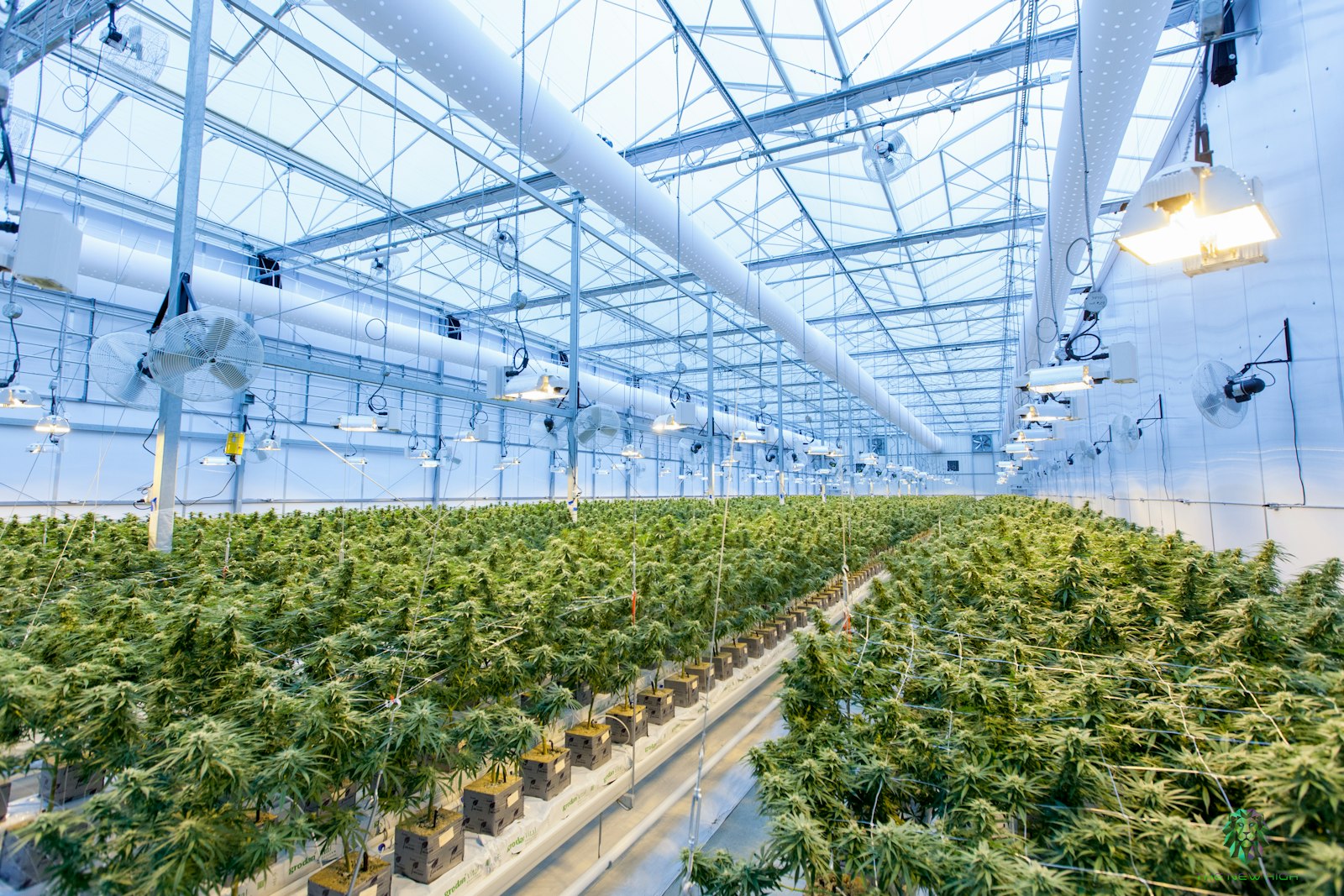
Growing environment also shapes the final product. Indoor-grown cannabis benefits from tightly controlled conditions and typically produces consistent, visually striking buds. Sun-grown and greenhouse cultivars often develop their own complexity through natural light cycles and outdoor conditions. Neither approach is automatically superior — they simply produce different results that suit different preferences.
The cure is where a lot of growers either win or lose the final product. Once harvested, flower goes through a slow, controlled drying period that preserves terpenes, reduces harshness, and develops the strain’s flavour profile over time. Under-cured flower tastes harsh and green. Over-dried flower crumbles and loses its aroma. A proper cure is the difference between forgettable and genuinely good flower.
Whole Flower vs. Other Cannabis Formats
Whole flower is one of several cannabis formats available at licensed retailers, and knowing how it compares helps you make a more informed choice.
Whole flower vs. milled flower: Milled flower is the same plant, just pre-ground before packaging. It’s convenient and rolls easily, but more surface area is exposed to air, meaning the terpene profile can fade faster after opening. If you want the freshest experience and don’t mind grinding yourself, whole flower is worth it.
Whole flower vs. pre-rolls: Pre-rolls are flower that has already been rolled into a joint, sometimes from whole flower, sometimes milled, sometimes a combination. They’re the grab-and-go option. The experience is similar, though the quality of the flower inside varies considerably between producers. Browse The Purple Leaf’s pre-roll selection to see what’s currently available.
Whole flower vs. vapes: Cannabis vapes use extracted oil rather than flower. They’re discreet, easy to dose, and consistent — but they offer a different experience from smoking or vaporizing whole flower. Many enthusiasts find the full terpene profile of well-grown, properly cured bud difficult to fully replicate in an oil format.
Whole flower vs. concentrates: Concentrates like shatter, rosin, and live resin are made by extracting cannabinoids and terpenes from the plant. They’re significantly more potent and deliver an intense, flavour-forward experience, but they’re a distinct category. Think of flower as the foundation — concentrates are built from it.

Reading a Whole Flower Label in Canada
Legal cannabis packaging in Canada follows strict Health Canada requirements, which means every product on the shelf must tell you certain things. Here’s what to actually focus on.
Total THC and Total CBD are the two most important numbers. Total THC tells you the maximum potential potency if all the THCA is fully converted through heat, expressed as a percentage. Total CBD follows the same logic for the other major cannabinoid. A higher THC number doesn’t automatically mean a better experience — it means a more potent one. Terpene profile, grow quality, and overall composition can shape your experience just as meaningfully as the THC percentage.
Packaged-on date matters more than most people expect. Cannabis terpenes degrade over time. Flower that spent months in a warehouse before reaching the shelf will smell and taste noticeably different from something recently packaged. Looking for the freshest packaged-on date available is one of the simplest ways to get better, more aromatic flower.
Net weight determines how much flower is in the package. Standard retail sizes in Canada typically range from one gram to 28 grams. For a strain you haven’t tried before, 3.5 grams is a practical starting point — enough to get a real sense of it without committing to a full ounce of something unfamiliar.
Licensed producer information is also on every package. Over time you’ll develop a sense of which producers consistently deliver quality in the strains and formats you prefer.
What Makes a Good Whole Flower
Once you open a jar, your senses tell you a lot. Here’s what to pay attention to.
Aroma is your best indicator of terpene quality. Rich, expressive smells — whether citrusy, earthy, gassy, floral, or sweet — are a reliable positive sign. If a jar smells like very little, the terpenes have largely faded, which affects both flavour and the overall character of the experience.
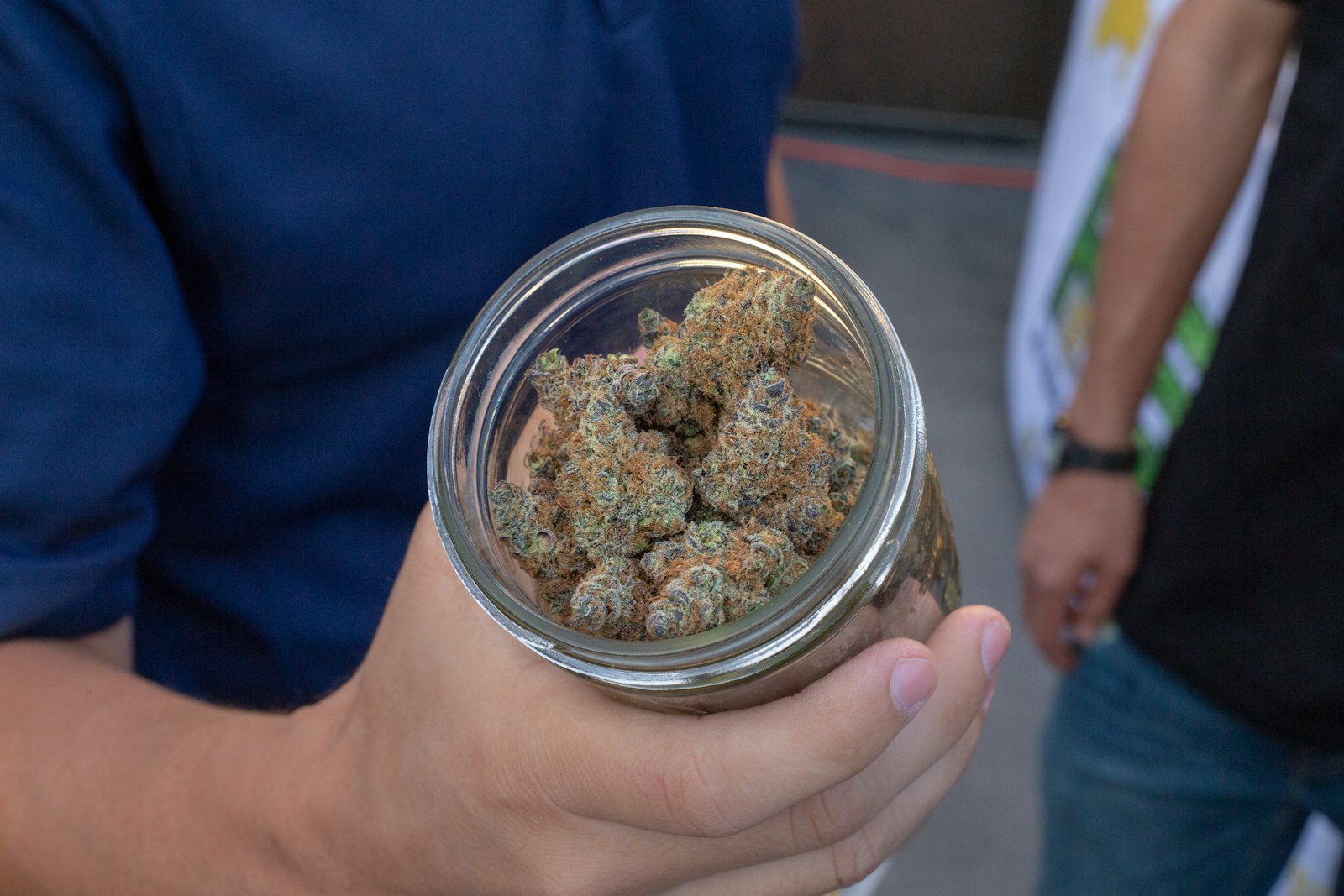
Density and structure reflect grow quality. Well-grown flower is dense but not rock-hard, with a visible bud structure and intact trichomes. Airy, loose buds aren’t necessarily poor quality, but density is generally a positive indicator.
Trichome coverage is the frosted, crystalline coating that covers quality flower. Trichomes are the structures that produce cannabinoids and terpenes, and a dense coat of intact trichomes is one of the most reliable visual signs of well-grown, potent flower.
Moisture content tells you about the cure and storage. Properly cured flower should feel slightly sticky but not wet, and should break apart with a bit of resistance rather than crumbling to powder or feeling soggy. Both extremes indicate either poor curing or poor storage after the fact.
Colour reflects plant health and genetics. Vivid greens, purples, and orange pistils are generally signs of a healthy, well-grown plant. Pale, yellowed, or browning flower is usually older or improperly stored. (Wondering whether growing method changes any of this? Read indoor vs outdoor weed.)
Indica, Sativa, and Hybrid: What You Actually Need to Know
These categories appear on every cannabis menu, and they’re worth understanding even as the science has moved past some of the older assumptions.
Traditionally, indica was associated with physically relaxing effects and sativa with more uplifting, energizing ones. The reality is more nuanced: terpenes, cannabinoid ratios, and individual body chemistry all shape the experience just as much as strain classification. Two products labelled indica can feel noticeably different from each other.
That said, these categories still function as useful shorthand. Indica-dominant strains are broadly associated with physical relaxation and are popular for evenings. Sativa-dominant strains tend toward an uplifted, more mentally engaged quality and are often suggested for daytime use. Hybrids sit between the two, varying widely based on specific lineage and terpene profile.
Where possible, look at the terpene profile on the label alongside the classification. A myrcene-forward strain has a different character than one led by limonene or pinene, and that difference is meaningful. The Purple Leaf’s flower selection spans indica, sativa, and hybrid options across a range of price points and potency levels.
How to Store Whole Flower Properly
The way you store flower after purchase directly affects how long it stays fresh, fragrant, and enjoyable.
Use an airtight container. The original packaging is fine for short-term storage, but a glass jar with a proper seal is better for anything you’re keeping longer than a week or two. Glass is inert and doesn’t affect flavour the way some plastics can.
Keep it cool and dark. Heat and light are the two biggest enemies of terpene preservation. A drawer or cupboard away from direct sunlight and heat sources is ideal. Avoid leaving flower near a stove, window, or anywhere with significant temperature fluctuation.
Control humidity. The ideal storage humidity for cannabis is roughly 55 to 65% relative humidity. Too dry and the flower crumbles and loses aroma. Too moist and you risk mould. Humidity packs are an inexpensive way to keep the environment inside your storage jar consistent and dialled in. If your flower has already dried out, see how to revive dry weed safely.
Avoid the freezer. Freezing can rupture trichomes and compromise the quality of your flower. The fridge isn’t ideal either — temperature fluctuations from opening and closing the door, combined with moisture, work against preservation rather than supporting it.

How to Consume Whole Flower
One of whole flower’s biggest advantages is its versatility. Here are the most common methods.
Rolling a joint or blunt is a ritual as much as a consumption method. You’ll need rolling papers, a grinder, and a tray or flat surface to work on. Once you get your rolling technique down, it becomes second nature. The Purple Leaf carries rolling accessories to get your setup sorted.
Pipes and bongs offer a fast, efficient way to enjoy flower with the full flavour of the strain coming through immediately. A quality glass pipe or water pipe makes the experience noticeably smoother.
Dry herb vaporizers heat flower to a temperature that releases cannabinoids and terpenes without combustion. The vapour tends to be smoother and more flavour-forward than smoke, and many consumers find the experience more expressive of the strain’s terpene character. If you haven’t tried vaporizing whole flower, it’s a worthwhile format to explore.
Canadian Cannabis Law: What Applies to Whole Flower
Canada has had federally legal recreational cannabis since October 2018, and the rules around whole flower are straightforward.
The legal possession limit in public is 30 grams of dried flower or its equivalent in other formats. Adults of legal age — 19 in Ontario and most provinces — can purchase from licensed retailers, possess up to 30 grams in public, and grow up to four plants per household from legally purchased seeds. Some provinces have additional restrictions on home growing, so it’s worth checking your local rules.
All products sold through licensed retailers like The Purple Leaf have been tested and verified under Health Canada’s regulatory framework, meaning the information on the label is accurate and the product has passed safety and potency testing before reaching the shelf.
Frequently Asked Questions About Whole Flower
What’s the difference between whole flower and milled flower?
Same plant, different presentation. Whole flower comes as intact buds that you grind yourself. Milled flower has been ground down before packaging for convenience. Whole flower generally stays fresh longer because less surface area is exposed to air before you open it.
How long does whole flower stay fresh?
Properly stored in an airtight container away from heat and light, flower can maintain good quality for several months. Most consumers find the experience is best within three to six months of the packaged-on date.
Does higher THC mean better flower?
Not necessarily. THC percentage is one data point among many. Terpene profile, grow quality, cure, and overall cannabinoid composition all contribute to the experience. Some of the most enjoyable flower on the shelf doesn’t carry the highest THC numbers — it carries the most interesting and well-preserved terpene profile.
What size should I buy when trying a new strain?
A 3.5-gram purchase is a practical starting point for anything unfamiliar. It’s enough to get a genuine sense of how the strain smokes, smells, and feels without committing to a full ounce of something you haven’t tried yet.
What accessories do I need for whole flower?
At minimum: a grinder, a way to consume it (rolling papers, a pipe, a bong, or a dry herb vaporizer), and a proper storage container. Everything else is optional but worth exploring as you develop your preferences.
The Bottom Line
Whole flower cannabis remains the most popular format in Canada’s legal market because it’s the most direct, expressive, and versatile way to experience the plant. Once you know how to read a label, what to look for when you open a jar, and how to store it properly, shopping for flower becomes as straightforward and enjoyable as any other part of your routine. Visit The Purple Leaf to browse our current flower selection and find the right strain for your next session.
Shop related at The Purple Leaf: cannabis flower
Buy weed online in Canada · Same-day weed delivery in London, Ontario on weekday orders placed before noon (12:00 PM EST).