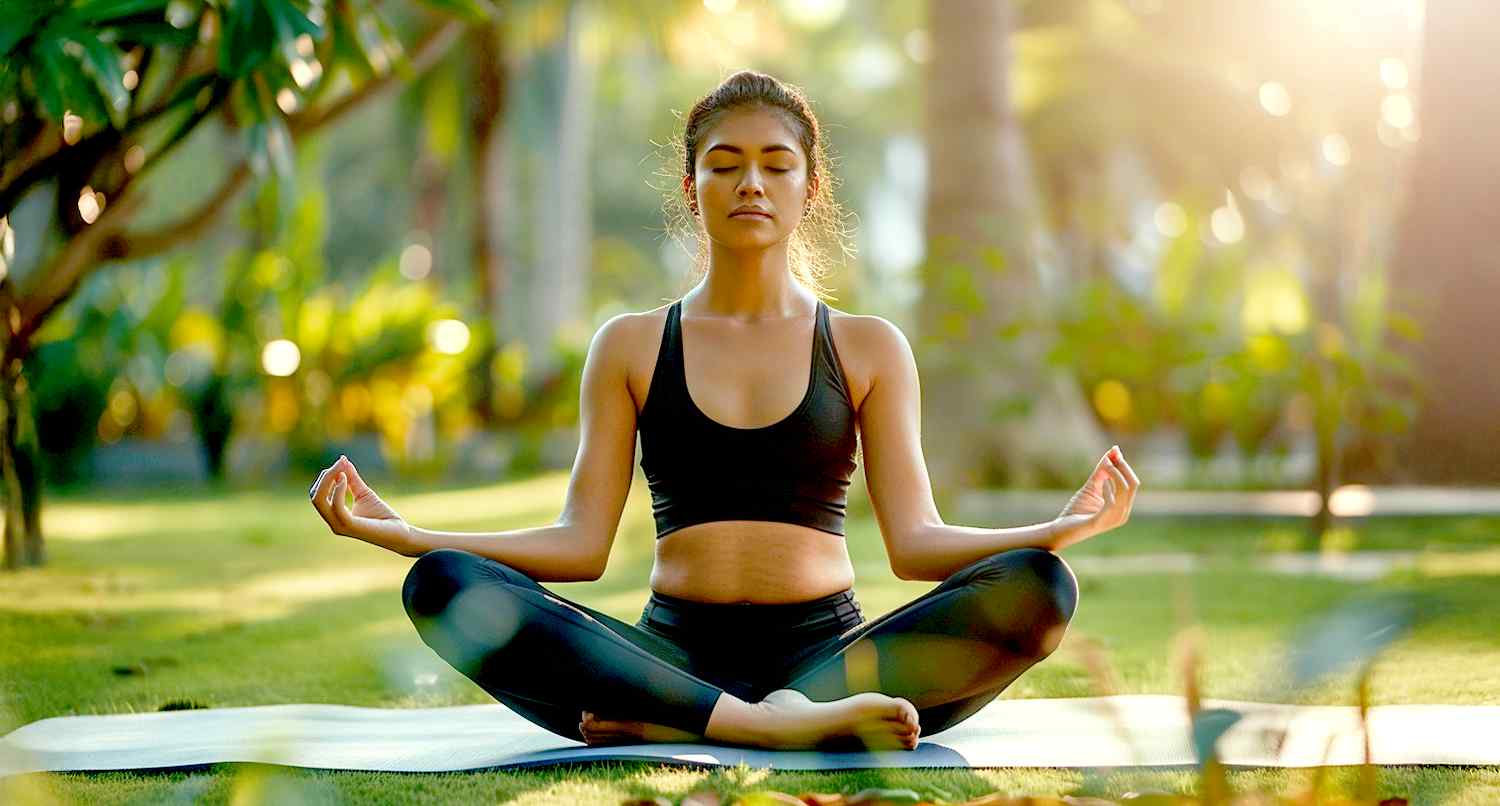
The intersection of cannabis and yoga has moved well beyond counterculture novelty. Across Canada and increasingly around the world, practitioners at every level — from occasional weekend yogis to dedicated daily practitioners — are incorporating intentional cannabis use into their yoga practice and reporting meaningful benefits to their experience on the mat.
This is not simply about getting high and doing downward dog. The specific physiological and psychological effects of cannabis — when applied intentionally at appropriate doses — align with several of the core goals of yoga practice in ways that are worth understanding before you dismiss or embrace the combination uncritically.
Here’s what the evidence and experience actually say.
A Brief Note on Intention
The benefits covered in this guide are associated with intentional, low-to-moderate dose cannabis use as a complement to yoga practice — not with maximum-potency consumption before attempting a physically demanding class. The distinction matters significantly.
Cannabis at high doses impairs balance, coordination, proprioception, and reaction time — qualities that are essential for safe yoga practice. Cannabis at low to moderate doses, consumed thoughtfully before or during a practice, can enhance body awareness, reduce anxiety, deepen breath focus, and extend the meditative quality of a session.
Everything below assumes the former — intentional, moderate, purposeful use. If you’re new to cannabis, the microdosing guide on our blog covers how to find the right low dose before adding cannabis to any physical practice.
1. Enhanced Body Awareness and Proprioception
One of the most consistently reported experiences among yogis who incorporate cannabis into their practice is heightened body awareness — a more acute, moment-to-moment sense of what is happening inside the body during poses, transitions, and breath.
This heightened proprioception — the body’s sense of its own position and movement in space — can translate directly to improved alignment in poses. Users frequently report noticing subtle muscular tensions, asymmetries, and areas of holding that they were previously unaware of during sober practice. When you can feel more precisely what your hip flexors are doing in warrior one, or how your lower back is compensating in a forward fold, you can make more intelligent adjustments.
The mechanism is likely related to cannabis’s interaction with CB1 receptors in the cerebellum and basal ganglia — brain regions involved in movement coordination and proprioceptive processing. At low doses, this interaction appears to heighten sensory attentiveness to internal physical states rather than distorting it.
For yoga practitioners who find their mind wandering during practice — thinking about work, replaying conversations, mentally composing shopping lists — the focused internal attention that low-dose cannabis promotes can be a meaningful aid to staying present on the mat.
2. Reduced Performance Anxiety and Self-Consciousness
Yoga studios can be unexpectedly anxiety-provoking environments for newer practitioners — the perceived judgment of more advanced students, the self-consciousness of a body that doesn’t do what the instructor is demonstrating, the social exposure of a group setting where your limitations are visible.
CBD in particular — either alone or alongside a small amount of THC — has a well-documented anxiolytic effect that can meaningfully reduce this performance anxiety and social self-consciousness. Walking into a yoga class already carrying the background calm of a low-dose CBD product can make the difference between an enjoyable, self-accepting practice and one spent mentally cataloguing your physical limitations.
For home practitioners, anxiety is less of a factor — but a different kind of mental resistance often takes its place. The reluctance to get on the mat, the distractibility once there, the tendency to cut sessions short — all of these are forms of avoidance that CBD’s calming effects can gently address.
Browse our CBD products at The Purple Leaf for non-psychoactive anxiety-support options well suited to pre-practice use. CBD oils and capsules are the most practical formats for this application — discreet, non-impairing, and available in doses suited to functional daily use.
3. Muscle Relaxation and Flexibility Support
This is perhaps the most intuitively obvious potential benefit — and one that has a reasonable physiological basis. Cannabis, particularly indica and indica-dominant strains high in the terpene myrcene, produces a pronounced muscle-relaxing effect that can meaningfully reduce the physical tension that limits range of motion in yoga practice.
Tight hip flexors, chronically tense shoulders, restricted hamstrings — much of the limitation most practitioners experience in yoga poses is rooted not in structural inflexibility but in muscular guarding and tension. If cannabis genuinely reduces this tension response, the practical outcome would be greater ease in poses that chronic tightness restricts.
The caveat is important: excessive relaxation of the stabilising muscles surrounding joints during advanced yoga poses could increase injury risk rather than reduce it. This is why low, controlled doses — not the maximum-relaxation experience of a heavy indica session — are the relevant application. You want enough relaxation to ease chronic holding patterns without compromising the joint stability that keeps your practice safe.
For this specific application, a balanced THC/CBD product or a low-dose indica-leaning formulation consumed 30–45 minutes before practice is the most commonly cited approach. Browse our indica flower and vapes section for options suited to pre-practice use.
4. Deeper Breath Focus and Pranayama Practice
Breath is the foundation of yoga practice — and the relationship between cannabis and breath awareness is one of the more interesting reported benefits of this combination.
Many yoga practitioners who use cannabis before practice report a significantly heightened awareness of the breath — a greater attentiveness to the quality, rhythm, and sensation of each inhalation and exhalation. This enhanced breath focus naturally deepens pranayama practice and makes the breath-movement coordination that is central to vinyasa yoga more instinctive and less effortful.
The mechanism may relate to cannabis’s effect on the default mode network — the brain’s “background narrative” system that produces the constant stream of self-referential thought most of us experience as mental noise. Cannabis at moderate doses suppresses default mode network activity, which may reduce the mental chatter that competes with breath attention during practice.
For practitioners who find pranayama the most challenging aspect of their yoga practice — those who struggle to keep attention on the breath for more than a few seconds before the mind wanders — this cannabis-related effect is potentially the most practically significant on this list.
5. Enhanced Meditative State and Savasana
Savasana — the final resting pose that closes most yoga classes — is simultaneously the most important and most undervalued pose in most practitioners’ experience. Lying completely still, releasing all effort, and allowing the body to integrate the work of the practice is a skill that takes significant time and mental discipline to develop.
Cannabis meaningfully reduces the mental restlessness that makes savasana difficult. The quieting of the default mode network, the body-focused present-moment attention, and the general reduction in baseline anxiety that cannabis produces at appropriate doses collectively support the surrender that a quality savasana requires.
The same qualities that make cannabis useful for savasana translate directly to meditation practice more broadly. Practitioners who incorporate cannabis into a meditation or yoga-nidra practice frequently report entering deeper states of relaxation and awareness more quickly than in sober sessions.
Edibles in this context have a timing advantage — consuming a low-dose THC or CBD edible 60–90 minutes before practice can time the peak effect to arrive precisely during the savasana and post-practice rest period, when its relaxing and meditative qualities are most beneficial. Browse our edibles menu and capsules at The Purple Leaf for low-dose options suited to this timing approach.
6. Post-Practice Recovery
The period immediately after yoga practice — when the muscles have been worked, the body is warm, and the nervous system is settling — is one of the most receptive windows for cannabis’s anti-inflammatory and muscle-recovery properties.
CBD topicals applied to worked muscles and joints after practice deliver localised anti-inflammatory relief without any systemic psychoactive effect. Browse our body care and topicals section including balms and salves at The Purple Leaf — a CBD balm massaged into sore hamstrings, tight hips, or worked shoulders after practice is one of the most practically useful cannabis wellness applications available.
Oral CBD — oil or capsules — taken post-practice can support the broader systemic recovery process, particularly for practitioners who train with enough intensity that delayed onset muscle soreness (DOMS) is a factor. Browse our CBD products for available recovery-focused options.
7. Consistency and Habit Formation
This is the most practical and least glamorous benefit on the list — and potentially the most impactful over time.
Getting on the yoga mat consistently is, for most practitioners, the hardest part of having a yoga practice. The motivation to practice when you don’t feel like it, when the day was difficult, when the mat is rolled up in the corner and the couch is right there — this is where most yoga practices quietly die.
Several yoga practitioners who incorporate cannabis into their routine report that the ritual of intentional pre-practice consumption creates a transitional signal — a deliberate act that marks the boundary between the rest of the day and practice time. The ritual of preparing a low-dose product, consuming it mindfully, and then rolling out the mat establishes a habitual cue that makes showing up for practice more automatic over time.
Cannabis also makes some practitioners look forward to their sessions in a way that dry, obligatory exercise doesn’t. If cannabis makes your yoga practice more enjoyable, you will do it more often — and the accumulated benefits of consistent practice will dwarf any specific acute effect of the cannabis itself.

What Products Work Best for Yoga
Before practice — CBD oil or balanced THC/CBD tincture. Fast enough onset for a planned practice, non-impairing enough for a demanding physical session. The sublingual route delivers effects within 15–45 minutes — take immediately after rolling out your mat.
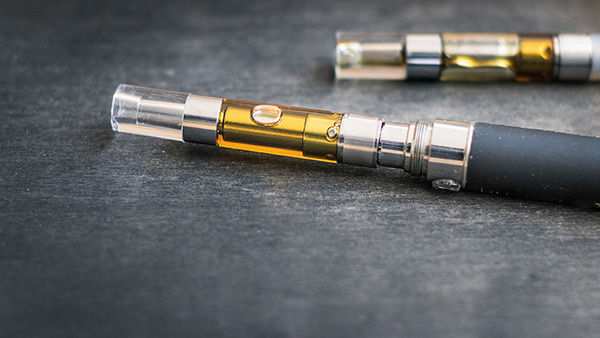
Before practice — low-dose vape cartridge. One or two draws from a low-THC hybrid or CBD-forward cartridge delivers immediate, assessable onset within minutes. The fastest onset of any cannabis format — practical for practitioners who decide to practice spontaneously. Browse our vapes section.
Before practice — low-dose edible (60–90 minutes ahead). Requires planning but times the peak effect to arrive during mid-to-late practice and savasana. Low-dose gummies or capsules at 2.5–5 mg THC consumed 60–90 minutes before starting are a popular approach. Browse our edibles menu.
During savasana or meditation — CBD capsule or oil. Non-psychoactive, supports the meditative settling of the post-practice period without any impairment. Browse our capsules.
After practice — CBD topical. Applied directly to worked muscles and joints for localised anti-inflammatory relief. Browse our body care and topicals.
What to Avoid
High-dose THC before a demanding physical class. Balance, coordination, and joint proprioception are all impaired at high doses — precisely the qualities needed to practice safely. Start lower than you think necessary for any first cannabis-yoga session.
Concentrates before practice. The potency of products like shatter and live resin is not appropriate for pre-practice use unless you are a very experienced user with a clear sense of your personal dose-response relationship.
Edibles without sufficient lead time. Consuming an edible 15 minutes before practice and waiting for it to kick in during your session introduces too much uncertainty about timing and intensity.
Combining with alcohol. Cannabis and alcohol interact synergistically in ways that significantly increase impairment. Never practice yoga after combining both.
Frequently Asked Questions
What are the benefits of combining weed and yoga? Enhanced body awareness, reduced performance anxiety, muscle relaxation, deeper breath focus, improved meditative states, post-practice recovery support, and greater practice consistency are the most commonly reported benefits. All are most relevant at low to moderate cannabis doses — not at high-potency recreational levels.
What cannabis products are best for yoga? CBD oil or tincture before practice, low-dose vape cartridges for immediate onset, low-dose edibles timed 60–90 minutes ahead, and CBD topicals for post-practice recovery are the most practical formats. Browse our full range at thepurple-leaf.com.
Is indica or sativa better for yoga? It depends on the type of practice. Relaxing, yin, or restorative yoga pairs better with indica-leaning products for their muscle-relaxing and meditative qualities. More active vinyasa or flow practice may suit a balanced hybrid better — enough physical ease without excessive sedation.
Can I do yoga after taking CBD? Yes. CBD produces no psychoactive effect and does not impair balance, coordination, or reaction time. It is suitable for use before any physical activity including yoga. Browse our CBD products for non-impairing options.
Where can I buy cannabis products for yoga and wellness in Canada? The Purple Leaf carries a full range of CBD oils, capsules, topicals, low-dose edibles, and vape cartridges suited to wellness and yoga applications — available for local London, Ontario delivery and Canada Post shipping Canada-wide. Order at thepurple-leaf.com or call 519-777-9498.
Shop Cannabis Wellness Products at The Purple Leaf
Whether you’re enhancing your yoga practice, supporting post-workout recovery, or simply building a more intentional cannabis wellness routine, The Purple Leaf has the right products.
Browse our CBD range, vapes, edibles, capsules, and topicals at thepurple-leaf.com, or call us at 519-777-9498 any day between 9 AM and 9 PM.
New customer? Subscribe to our newsletter and use code PRIMETIME for 10% off your first order.
The Purple Leaf — London, Ontario’s trusted cannabis dispensary. Licensed, tested, knowledgeable. Local delivery available. Ships across Canada.