

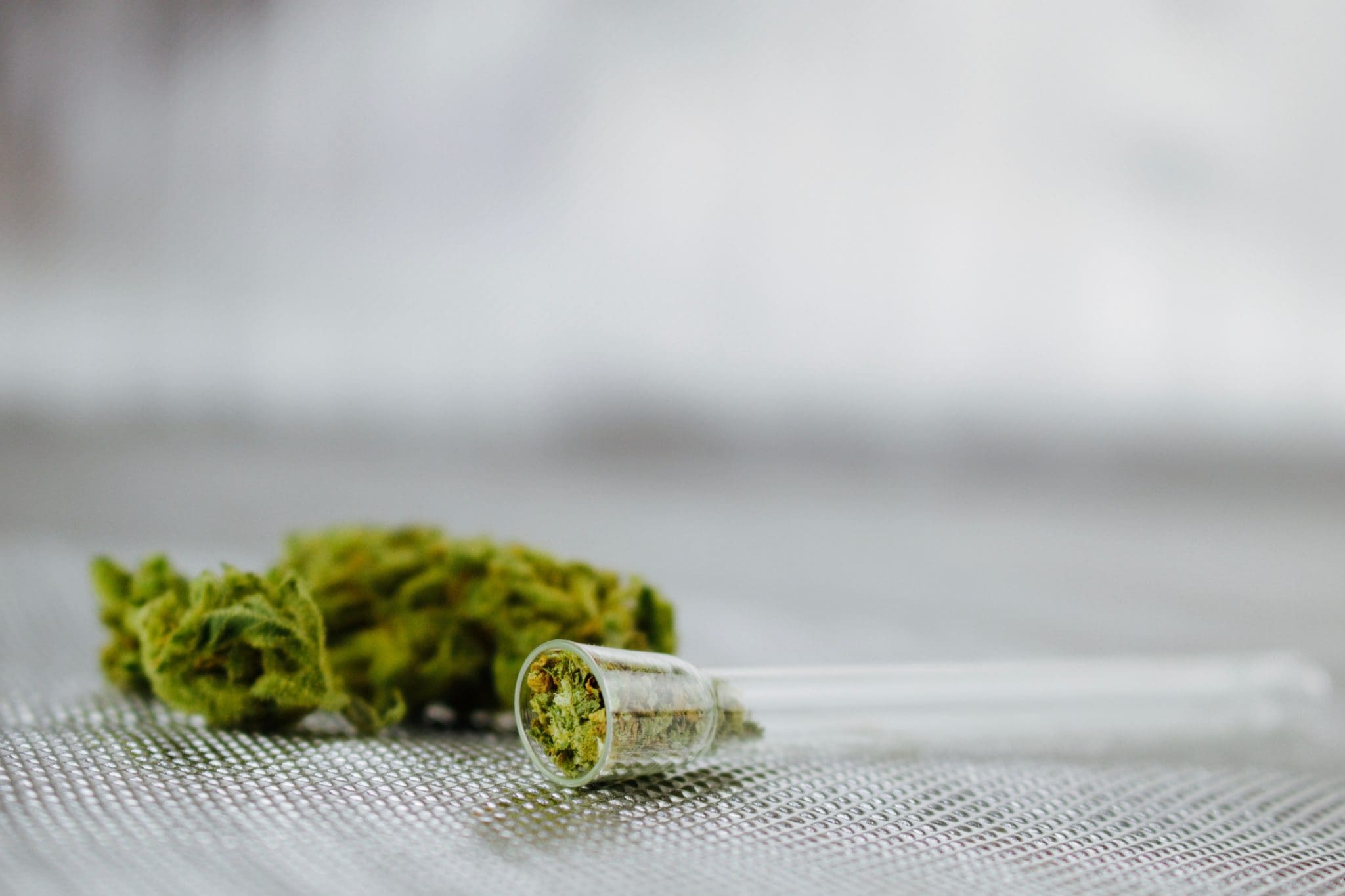
Microdosing cannabis is one of the most significant shifts in how Canadians are approaching legal cannabis — and one of the least discussed. While the cultural image of cannabis consumption still skews toward maximum potency and intense experiences, a growing number of users are discovering that less is often more. The right micro-amount of cannabis — consumed consistently and intentionally — can deliver meaningful functional benefits without any of the impairment, cognitive fog, or couch-lock that higher doses produce.
This guide covers exactly what microdosing cannabis means, why people do it, which products work best, and how to find your personal microdose with confidence.
What Is Microdosing Cannabis?
Microdosing means consuming cannabis in amounts significantly below the threshold that produces noticeable psychoactive effects — typically in the range of 1–5 mg THC per dose. The goal is not to get high. It is to access the subtle functional benefits of cannabinoids — reduced anxiety, mild mood elevation, improved focus, pain relief, creative stimulation — while remaining entirely functional, clear-headed, and unimpaired.
The concept is borrowed from the psychedelic medicine community where microdosing psilocybin has gained significant research attention — but the principles translate directly to cannabis. Both involve consuming a psychoactive substance at a sub-perceptual dose to access neurological benefits without intoxication.
For cannabis specifically, the case for microdosing rests on a well-documented pharmacological principle: THC has a biphasic dose-response relationship. At low doses it produces anxiolytic, mood-elevating, and pain-relieving effects. At higher doses it can produce the opposite — anxiety, paranoia, cognitive impairment, and sedation. Many cannabis users who have had uncomfortable experiences with cannabis have simply been consuming too much.
Why People Microdose Cannabis
The reasons people adopt a microdosing practice are as varied as the people themselves — but several themes emerge consistently.
Anxiety and stress management without impairment. This is the most commonly cited reason for cannabis microdosing in Canada. A 1–2 mg THC dose with some CBD content produces a subtle calming effect that many users describe as “taking the edge off” without impairing the ability to work, drive, or engage socially. Browse our CBD products and capsules at The Purple Leaf for options suited to this application.
Chronic pain management during the day. For users managing persistent pain who find that full doses of cannabis are too sedating for daytime function, microdosing offers a middle path — meaningful analgesic benefit at doses that don’t interfere with daily activity.Creative enhancement and focus. A consistent pattern reported by creative professionals — writers, designers, musicians, programmers — is that small amounts of cannabis, particularly sativa-dominant products, produce a subtle shift in cognitive perspective that enhances creative thinking and lateral problem-solving without the disorganised, distracted quality of a full cannabis dose.
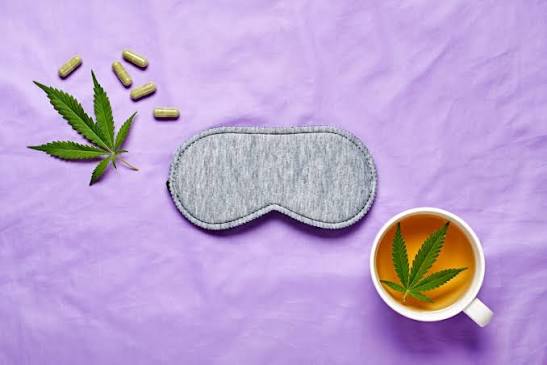
Sleep support without morning grogginess. A very low dose consumed before bed can ease the transition to sleep without the residual sedation of a full dose that some users experience as next-morning grogginess.
Tolerance management. For regular cannabis users whose tolerance has built to the point where standard doses produce diminishing effects, a period of microdosing — or incorporating microdose sessions alongside regular use — can help reset sensitivity and make the overall cannabis experience more efficient and cost-effective.
General wellbeing. Increasingly, a segment of Canadian cannabis consumers treats microdosing similarly to how they treat other wellness supplements — a small, consistent daily dose as part of a broader health routine rather than a recreational session.

What Dose Counts as a Microdose?
Microdosing is inherently personal — the dose that produces sub-perceptual effects for one person may be noticeably psychoactive for another, depending on tolerance, body weight, metabolism, and individual endocannabinoid system sensitivity.
As a general framework:
True microdose: 1–2.5 mg THC. For most users, particularly those with low tolerance or sensitivity to THC, this range produces effects that are subtle to imperceptible — a slight mood lift, a mild easing of tension, a gentle background calm. This is the starting range for microdosing newcomers and for users who are sensitive to cannabis effects.
Low dose: 2.5–5 mg THC. The more commonly cited microdose range for regular cannabis users. Produces noticeable but mild effects that most users can manage without impairment to daily function. The standard recommendation for new edibles users — and a practical everyday microdose for users with moderate tolerance.
Moderate microdose: 5–10 mg THC. For experienced users with established tolerance who have found that lower amounts produce no noticeable effect. The upper end of what most practitioners would consider a functional microdose before crossing into a standard recreational dose.
The right starting point for any individual is the lowest amount that produces any noticeable effect — then backing off slightly. Finding this threshold takes deliberate attention and patience over several sessions.
The Best Cannabis Products for Microdosing
CBD-Dominant Tinctures and Oils
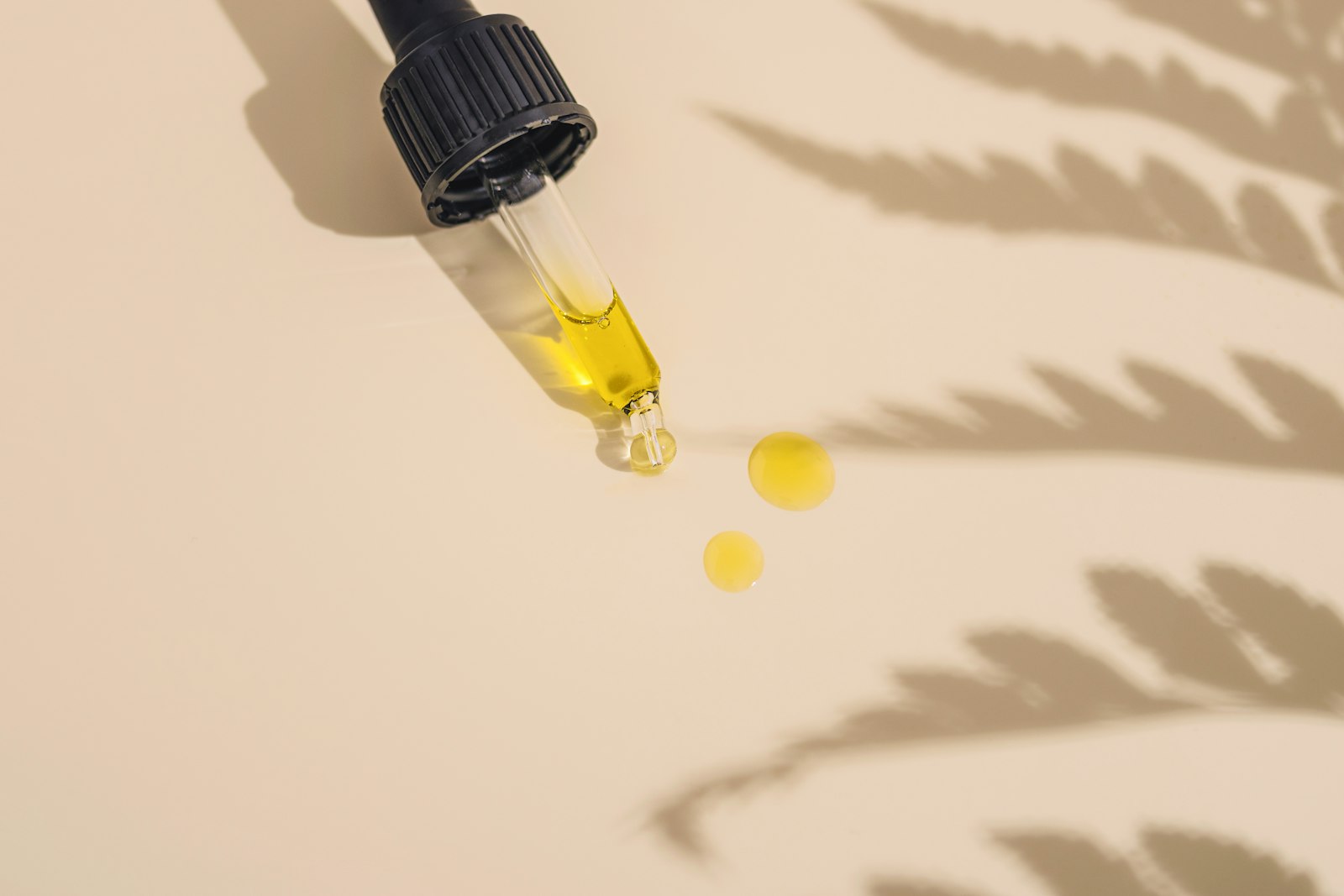
CBD oil with a small amount of THC — or a balanced THC/CBD ratio — is one of the most effective microdosing formats available. The dropper delivery allows precise dose adjustment in small increments — 0.5 mg at a time if needed — that fixed-dose formats cannot achieve. The sublingual absorption produces effects within 15–45 minutes, making it practical for both planned and spontaneous microdose sessions.
A CBD-dominant oil with a small amount of THC — for example, a product with 20 mg CBD and 2 mg THC per ml — allows very precise control over the THC component while maintaining the anxiolytic and anti-inflammatory benefits of the CBD. Browse our CBD range at The Purple Leaf for available oil options.
Low-Dose Capsules
Capsules are the most practical microdosing format for daily, consistent use. A 2.5 mg or 5 mg THC capsule — or a balanced THC/CBD capsule — taken at the same time each day builds consistent cannabinoid levels over time and integrates naturally into an existing supplement routine.
The fixed dose eliminates measurement and guesswork — you know exactly how much you’re taking every day without variation. For users who microdose cannabis as part of a daily wellness protocol rather than for specific situational relief, capsules are the most sustainable format.
Browse our capsules section at The Purple Leaf for available low-dose and balanced options.
Low-Dose Edibles
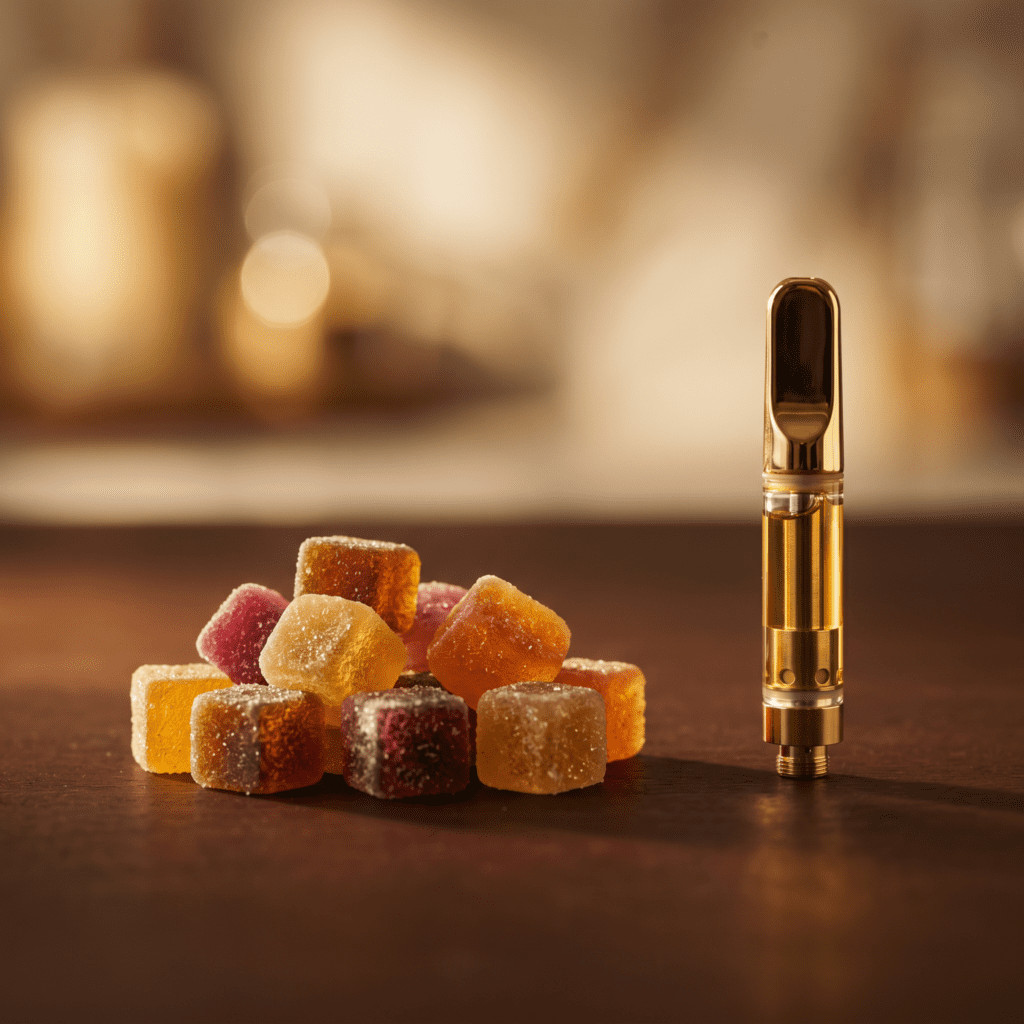
Cannabis gummies at 2.5–5 mg THC per piece are widely used for microdosing — particularly by users who prefer a food format over oils or capsules. The same onset timeline applies as any edible — 30 minutes to 2 hours — which requires more planning than sublingual formats but produces a longer-lasting, more sustained microdose effect.
For microdosing specifically, the extended duration of edibles is often advantageous — a 2.5 mg edible taken in the morning can provide a sustained, functional background effect for several hours without requiring re-dosing. Browse our gummies and candy section for low-dose options.
Low-THC Vape Cartridges
For microdosers who prefer inhalation over oral formats, a single draw from a low-to-moderate THC vape cartridge delivers a small, precise, and immediately assessable dose. The fast onset of inhalation — effects within minutes — makes real-time dose management straightforward in a way that edibles cannot match.
One draw, wait 10 minutes, assess. This approach is particularly practical for situational microdosing — taking the edge off before a specific event, managing acute pain during the day, or a creative session that benefits from a subtle shift in perspective.
Browse our vapes and cartridges section at The Purple Leaf for available lower-potency options.
Low-THC Flower
For users who prefer smoking or vaping dry herb, a single small draw from a low-THC flower strain — under 15% THC — produces a controllable, quickly assessable microdose. The key is restraint — a single inhalation rather than a full session, followed by a waiting period before deciding whether more is appropriate.
CBD-dominant or balanced THC/CBD strains are the most appropriate flower options for microdosing — the CBD content moderates the intensity of the THC and produces a more functional, less psychoactive effect at equivalent doses. Browse our full flower menu for available low-THC and balanced options.

How to Find Your Personal Microdose — A Step-by-Step Protocol
Finding your optimal microdose is a deliberate process that takes time and attention. Here’s the most practical framework.
Step 1 — Start lower than you think necessary. Begin at 1–2.5 mg THC regardless of your prior cannabis experience. Previous cannabis experience with higher doses tells you very little about where your functional microdose threshold sits — you’re looking for a fundamentally different effect than a recreational dose.
Step 2 — Consume at a consistent time. Choose a regular time — morning, lunchtime, or early evening — and stick to it across your initial sessions. Consistent timing allows you to accurately assess the effect against a known baseline rather than guessing at the influence of time of day, food intake, and stress levels.
Step 3 — Maintain for five to seven days before adjusting. The effects of microdosing — particularly for anxiety and mood — accumulate with consistent use. Assessing the effectiveness of a dose after a single session is premature. Maintain the same dose for at least a week, noting any changes in mood, focus, anxiety, sleep quality, or pain levels, before deciding whether to adjust.
Step 4 — Increase by the smallest available increment. If after one week you feel no effect at all, increase by the smallest practical increment for your chosen format — 0.5–1 mg for oils, one additional capsule for capsule formats, or a slightly larger draw for inhalation. Wait another week before assessing again.
Step 5 — Identify your threshold and back off slightly. Your optimal microdose is just below the point where you notice any psychoactive effect. When you find a dose that produces your first noticeable effect — however mild — reduce slightly and maintain that sub-perceptual level. This is your personal microdose.
Step 6 — Take tolerance breaks. Regular microdosing can gradually build tolerance over time — reducing the effectiveness of the dose without increasing it. A two-day break every week — the most commonly recommended protocol is five days on, two days off — maintains sensitivity and keeps the same dose effective over longer periods.
Microdosing vs Standard Dosing — What Changes
For users transitioning from standard recreational cannabis use to microdosing, several aspects of the experience shift significantly.
The goal changes. Standard cannabis use is typically oriented toward a recreational experience — relaxation, euphoria, entertainment. Microdosing is oriented toward function — you’re adding something subtle to your baseline state rather than replacing it with a cannabis-altered one.
The product changes. The high-THC flower and concentrates that work for recreational sessions are too potent for effective microdosing. Lower-THC products, balanced THC/CBD formulations, and CBD-dominant options become more relevant. Browse our CBD products and edibles for appropriate options.
The frequency potentially changes. Many microdosers consume daily — sometimes multiple times daily for pain or anxiety management. This is a very different pattern from recreational use and requires consistent attention to dose and timing.
The cost potentially decreases. Consuming 2.5–5 mg THC per day costs significantly less than a standard recreational dose per session. For regular cannabis users whose monthly spend has been significant, transitioning wholly or partially to microdosing can produce meaningful cost savings.
Frequently Asked Questions
What is microdosing cannabis? Microdosing means consuming small amounts of cannabis — typically 1–5 mg THC — below the threshold that produces noticeable psychoactive effects. The goal is to access subtle functional benefits including anxiety relief, pain management, and mood elevation while remaining fully functional and unimpaired.
What is the best product for microdosing cannabis? Low-dose CBD oils, balanced THC/CBD capsules, and low-dose cannabis gummies are the most practical formats for microdosing. They allow precise dose control and consistent daily delivery. Browse our CBD products and capsules at The Purple Leaf.
How much THC is a microdose? 1–5 mg THC is the general microdose range. True microdoses are typically 1–2.5 mg for lower-tolerance users. Experienced users with established tolerance may find their functional microdose is in the 5–10 mg range.
Can you microdose with CBD only? Yes. CBD-only products produce no psychoactive effect and can deliver meaningful anxiolytic, anti-inflammatory, and sleep-supportive benefits without any THC. Browse our CBD range for non-psychoactive options.
How often should you microdose cannabis? Most microdosing protocols involve daily or twice-daily dosing with two days off per week to prevent tolerance buildup. Consistency is more important than frequency — the same dose at the same time each day produces more reliable results than irregular consumption.
Where can I buy low-dose cannabis products in Canada? The Purple Leaf carries a full range of low-dose edibles, CBD oils, capsules, and balanced THC/CBD products available for Canada Post shipping to every province and territory. Order at thepurple-leaf.com or call 519-777-9498 Monday to Friday, 9 AM to 8 PM EST.
Shop Microdosing Cannabis Products at The Purple Leaf
Whether you’re exploring microdosing for anxiety, pain, sleep, or everyday wellness, The Purple Leaf has the right products to get started.
Browse our CBD products, capsules, edibles, and low-THC flower at thepurple-leaf.com, or call us at 519-777-9498 Monday to Friday, 9 AM to 8 PM EST.
New customer? Subscribe to our newsletter and use code PRIMETIME for 10% off your first order.
The Purple Leaf — London, Ontario’s trusted cannabis dispensary. Licensed, tested, knowledgeable. Local delivery available. Ships across Canada.
Buy weed online in Canada · Same-day weed delivery in London, Ontario on weekday orders placed before noon (12:00 PM EST).