

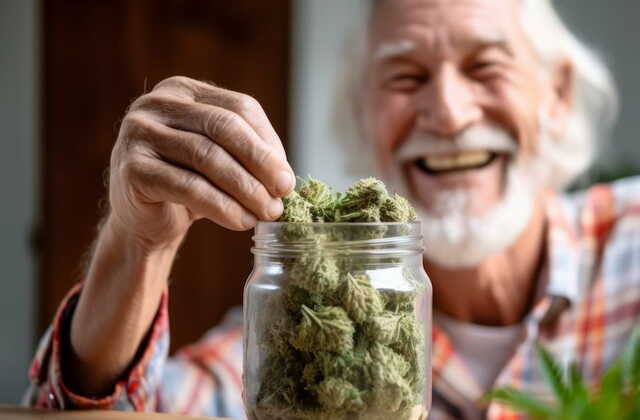
If you’re considering trying cannabis for the first time at 40 or older — or returning to it after years away — the most important thing to know upfront is that what’s on the shelf today is genuinely different from anything you might remember. The products are more varied, far better labelled, and considerably more sophisticated than what existed before legalization. The goal isn’t to recreate an old memory or match an idea built on incomplete information. It’s to figure out what actually works for your life right now, and Canada’s legal cannabis market gives you all the tools to do that confidently.
This guide walks through what’s changed, how to read a modern cannabis label, how to choose a format that fits your lifestyle, and what to keep in mind before your first visit to The Purple Leaf.
Why Cannabis After 40 Is a Different Conversation
Whether you’re approaching this completely fresh or picking up where you left off years ago, the legal cannabis landscape is a different world from whatever came before it.
Canada’s regulated market means every product on the shelf has been tested by an accredited third-party lab and labelled with verified cannabinoid content before it reaches you. The potency numbers on the package are accurate. The product has been checked for pesticides, heavy metals, and microbial contaminants. The packaging is child-resistant and tamper-evident. None of that existed in any consistent form before legalization, and it changes the entire dynamic of choosing a cannabis product.
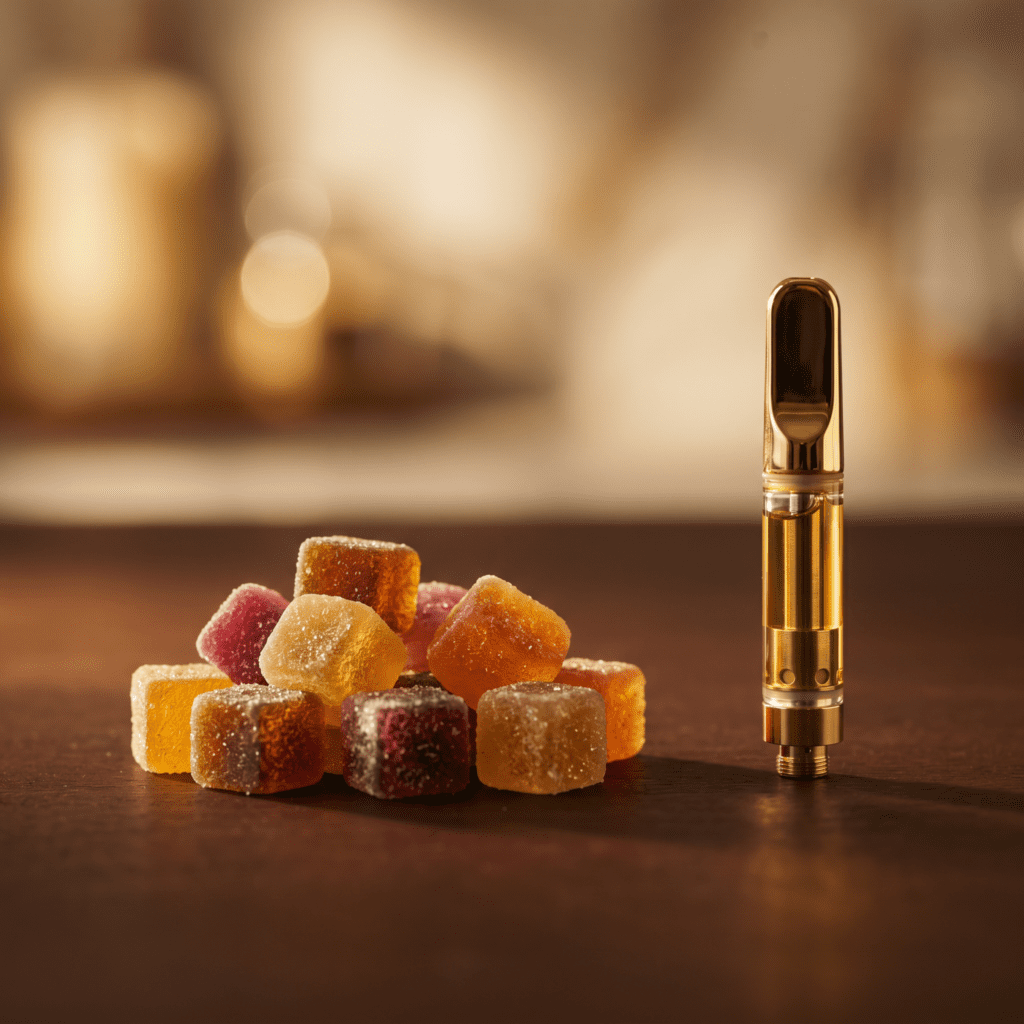
The products themselves have also evolved considerably. Today’s flower is often significantly more potent than what circulated in decades past, which is one of the most practically important things for anyone returning to cannabis to understand. What felt familiar at a lower-potency level twenty years ago may feel quite different today at the same quantity. The formats available have also expanded well beyond dried flower — edibles, oils, vapes, beverages, capsules, and topicals each offer a different kind of experience suited to different lifestyles, preferences, and comfort levels. The Purple Leaf carries products across all of these categories, clearly labelled so you can compare options before you decide.
The upshot of all of this is good news: you have more control over your experience than any previous generation of cannabis consumers ever did. The label is your most reliable tool, and once you know what to look for, using it becomes second nature quickly.
How to Read a Cannabis Label
You only need to understand a few key things to make a genuinely informed choice. Here’s what to focus on.
THC and CBD content. These are the two primary cannabinoid figures on every legal cannabis label. THC is the compound primarily responsible for the intoxicating effects of cannabis. CBD is non-intoxicating and is associated with a more settled, balanced quality when present alongside THC. For inhaled products like flower and vapes, potency is expressed as a percentage. For edibles and oils, it’s expressed in milligrams per piece or per millilitre. These two units measure different things and aren’t directly comparable — a 20% THC flower and a 10mg THC gummy can’t be meaningfully compared by their numbers alone because they’re describing different quantities in different formats.
The format itself. This shapes your entire experience including when you’ll feel it, how long it lasts, and how easy it is to adjust in real time.
Packaged-on date. For flower especially, freshness matters. A more recent packaged-on date generally means more intact terpenes, better aroma, and a more enjoyable experience. It’s one of the simplest pre-purchase checks available and worth making a habit.
Strain classification. Indica, sativa, and hybrid are the broad organizing categories, corresponding broadly to physically relaxing, mentally uplifting, and balanced-effect profiles respectively. These are a useful starting point rather than a guarantee — terpene profile and cannabinoid ratio matter just as much as strain classification in shaping what you actually feel.

Choosing the Right Format for Your Life
This is often where people spend the most time, and it’s worth thinking through before you walk in.
Inhaled formats — dried flower and vapes — work quickly, typically within five to fifteen minutes. The experience peaks relatively soon and winds down within one to three hours for most people. That shorter, more predictable timeline gives you real-time feedback: you know where you are and can make an informed decision about whether you want more. For anyone who values that kind of control, inhaled formats offer the clearest read on your own response.
Edibles and oils are processed through your digestive system. Onset can take anywhere from thirty minutes to two hours depending on your metabolism, body composition, and whether you’ve eaten recently. Once they arrive, the effects last considerably longer — typically four to eight hours. The extended duration makes them a better fit for a relaxed evening where you have nowhere to be rather than a format you want to manage dynamically. The most common first-timer mistake with edibles is taking more before the first dose has finished building. Give it at least ninety minutes before reassessing.
Cannabis beverages offer a middle ground. Many are formulated with nano-emulsification technology that speeds absorption relative to a traditional edible, with onset often arriving within fifteen to thirty minutes and effects lasting two to four hours. The familiar drinking ritual and typically lower dose per can make beverages a particularly approachable entry point for new or returning consumers.
Capsules and oils offer precision dosing without any flavour. Capsules in particular are a discreet, low-fuss option that fits easily into an established daily routine — similar to taking a supplement. For anyone who wants cannabis without the ritual of rolling or the flavour of an edible, this format is worth considering.
Topicals are applied to the skin and don’t produce a systemic intoxicating effect. They’re used for localized relief in a specific area rather than a full-body experience, which makes them a distinct category from everything else on this list.
Starting Low and Going Slow: Why It Matters More After 40
This is standard cannabis advice for beginners of any age, but it carries specific weight for people returning after a significant break or trying it for the first time later in life.
Tolerance plays a major role in how any cannabis product lands. Regular consumers build a higher threshold over time through ongoing exposure. Someone returning to cannabis after ten or twenty years of abstinence has essentially a beginner’s tolerance again, regardless of what they used in the past. The products are also stronger than they once were. These two factors together — reset tolerance and higher-potency products — mean that starting conservatively isn’t overly cautious, it’s simply the approach that gives you the best chance of a good first experience.
For edibles, 2.5mg to 5mg is a sensible starting point. For inhaled products, a single small draw and then a ten-to-fifteen-minute wait before continuing is the right approach. For beverages, one can and a genuine sixty-minute wait before deciding whether to have more.
The team at The Purple Leaf is happy to walk you through what’s currently on the shelf and help match a product to your comfort level and preferences. You don’t need to arrive knowing everything already — that’s what the staff are there for.
A Few Things That Catch People Off Guard
Today’s flower is considerably more potent than what many people remember. This isn’t alarmist information, just practical context. If your memory of cannabis involves products that felt mild or inconsistent, the same quantity of a modern high-THC strain is likely to feel meaningfully stronger. Starting with a lower-THC product or a smaller amount than you think you need is the right instinct.
Percentages and milligrams measure different things. A 25% THC flower and a 10mg THC gummy can’t be compared by their numbers directly. They’re describing potency in different units across different formats. Treating them as the same kind of number is one of the most common sources of confusion for newer cannabis consumers, and worth keeping in mind as you browse.
Child-resistant packaging can take a moment to figure out. This is completely normal on a first visit and nothing to feel self-conscious about. The mechanisms vary by producer, and learning the specific opening method usually just takes a few tries.
CBD products don’t produce an intoxicating effect. If you’re curious about cannabis but want to avoid the psychoactive component entirely, CBD-dominant products are an option worth knowing about. The experience is distinct from anything THC-forward, and it’s a legitimate starting point for anyone who wants to get comfortable with the format before adding THC into the picture.
Minor cannabinoids and terpenes appear on some labels. If you see compounds like CBG, CBN, myrcene, or limonene on a product’s packaging, these are additional plant compounds that contribute to the overall character of the experience beyond just THC and CBD. You don’t need to memorize them all — they’re context rather than essential information — but they’re worth knowing exist as you become more comfortable navigating the category.
Building a Consistent Routine
Consistency is worth more than variety when you’re starting out. Choosing one product, one format, and one dose level for your first several experiences — rather than sampling something different every time — gives you a much clearer read on how your body responds before you start branching out. There’s no rush to explore everything at once.
Keeping a simple log of what you tried, how much, and how it felt is a habit that pays off quickly. Over time it becomes your most reliable guide to where your comfortable range actually sits. The regulated labelling on legal cannabis products sold through licensed retailers like The Purple Leaf makes this kind of record-keeping practical — the lot number and packaged-on date on each product give you a consistent reference point from one purchase to the next.
Common Questions About Trying Cannabis After 40
Does cannabis interact with medications?
It can. THC and CBD both interact with the cytochrome P450 enzyme system in the liver, which is the same pathway responsible for metabolizing many common medications. If you’re taking any prescription or regular over-the-counter medications, speaking with your doctor or pharmacist before starting cannabis is a sensible precaution. This isn’t a reason to avoid cannabis — it’s simply a conversation worth having before you begin.
Is it normal to feel nothing the first time?
Yes, particularly with edibles. Some people find their first few experiences with cannabis are subtle, especially if they’re taking a conservative starting dose. Individual response varies based on metabolism, enzyme levels, and other factors. If you felt nothing after a genuinely appropriate dose and waiting window, a slightly higher amount on the next try is a reasonable next step rather than a sign that cannabis doesn’t work for you.
What if I had a difficult experience with cannabis years ago?
A past uncomfortable experience is worth mentioning when you talk to the team at The Purple Leaf. It’s often possible to identify what contributed to that experience — usually too much, too fast, or a format with an unpredictable onset — and find a product and approach that avoids those variables. Many people who had difficult experiences in the past find the legal cannabis environment, with its lower starting doses and clear labelling, much more manageable.
Should I try indica or sativa first?
For a first experience, an indica or indica-leaning hybrid at a modest THC level is the most common recommendation. The associated physical relaxation and quieter headspace is generally easier to navigate than the more mentally engaged quality of a sativa-leaning product. That said, individual responses vary, and the team at The Purple Leaf can help you narrow it down based on what you’re looking for.
How do I know if a product is fresh?
Check the packaged-on date. Legal cannabis products in Canada are required to carry this date on the packaging. For flower, a more recent date generally means better preserved terpenes and a more enjoyable experience. For edibles and beverages, check the best-before date rather than the packaged-on date.
The Bottom Line
Trying cannabis after 40 — whether for the first time or after a long break — is a more informed and manageable experience than it has ever been. The label tells you what’s inside. The regulated supply chain means the numbers are accurate. The range of available formats means you can find something that genuinely fits how you live. Start low, give it time, stay consistent for your first several experiences, and don’t hesitate to ask for guidance. Visit The Purple Leaf to browse our full product selection and talk to a team that knows the products well enough to help you find the right fit.
This article is for informational purposes only and is not medical advice. If you have questions about cannabis and medications or health conditions, please consult a licensed healthcare professional.
Shop related at The Purple Leaf: edibles · tinctures & CBD oils
Buy weed online in Canada · Same-day weed delivery in London, Ontario on weekday orders placed before noon (12:00 PM EST).