

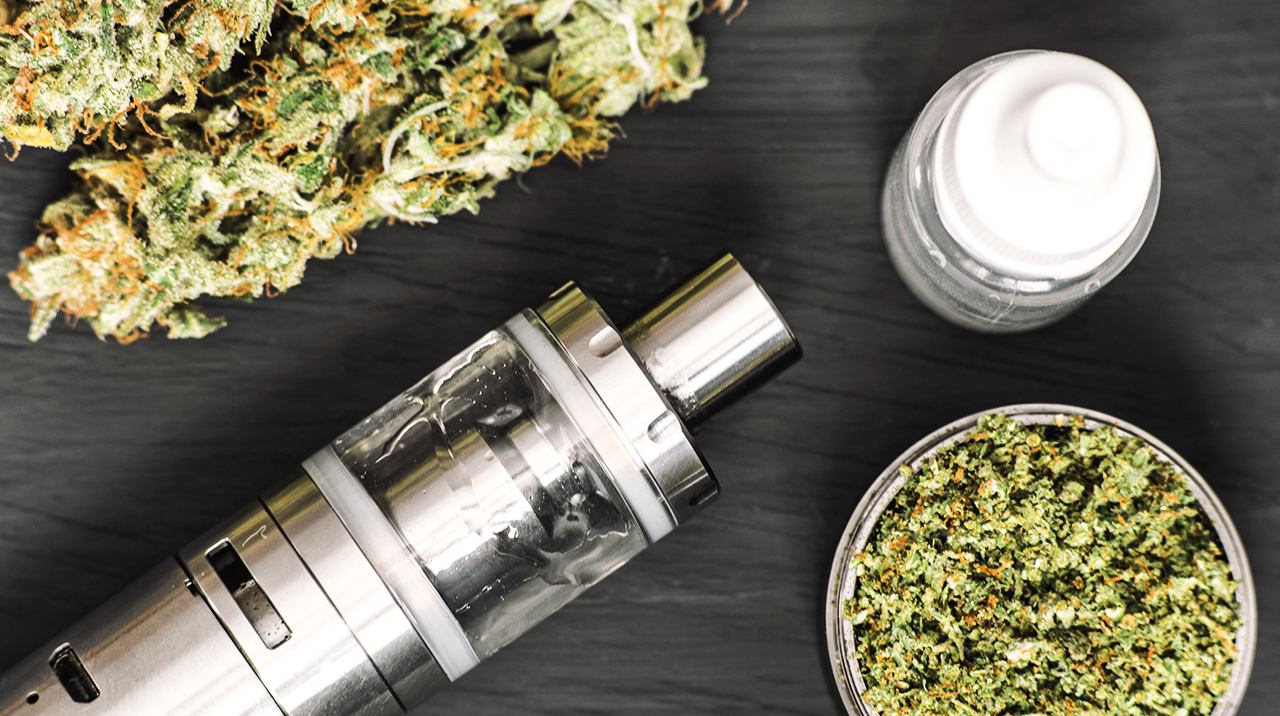
The cannabis vaporizer market has expanded dramatically since legalization — and walking into it without a clear framework for what to look for can be genuinely overwhelming. Portable dry herb vaporizers, desktop units, vape pens, pod systems, e-rigs, concentrate vaporizers — each category serves a different purpose, suits a different user, and comes with a different set of trade-offs.
This guide cuts through the noise. Here’s exactly how to choose the right cannabis vaporizer based on what you’re actually consuming, how you consume it, and what you want from the experience.
Step 1 — Know What You’re Vaporizing
The most fundamental question to answer before choosing any vaporizer is what you plan to put in it. Not all vaporizers handle all cannabis products — and choosing a device that isn’t designed for your preferred product is the most common and most avoidable vaporizer purchasing mistake.
Vaporizing Dry Herb (Cannabis Flower)
Dry herb vaporizers heat cannabis flower directly — either through conduction (the flower contacts a heated surface) or convection (hot air passes through the flower) — producing vapour rather than smoke. These devices require ground flower loaded into a chamber, and they produce a meaningfully different flavour profile than combustion — cleaner, more terpene-forward, and noticeably less harsh on the respiratory system.
If you primarily consume cannabis flower and want to continue doing so in a format that eliminates combustion, a dry herb vaporizer is the right category to explore.
Vaporizing Concentrates
Concentrate vaporizers — including dab pens, wax pens, and e-rigs — are designed specifically for cannabis concentrates: shatter, live resin, hash rosin, crumble, and similar products. They use a coil or ceramic heating element to vapourise small amounts of concentrate loaded directly into the device.
If you primarily consume concentrates and want a portable, convenient consumption format beyond a traditional dab rig, a dedicated concentrate vaporizer or dab pen is the right choice.
Vaporizing Oil (Vape Cartridges)
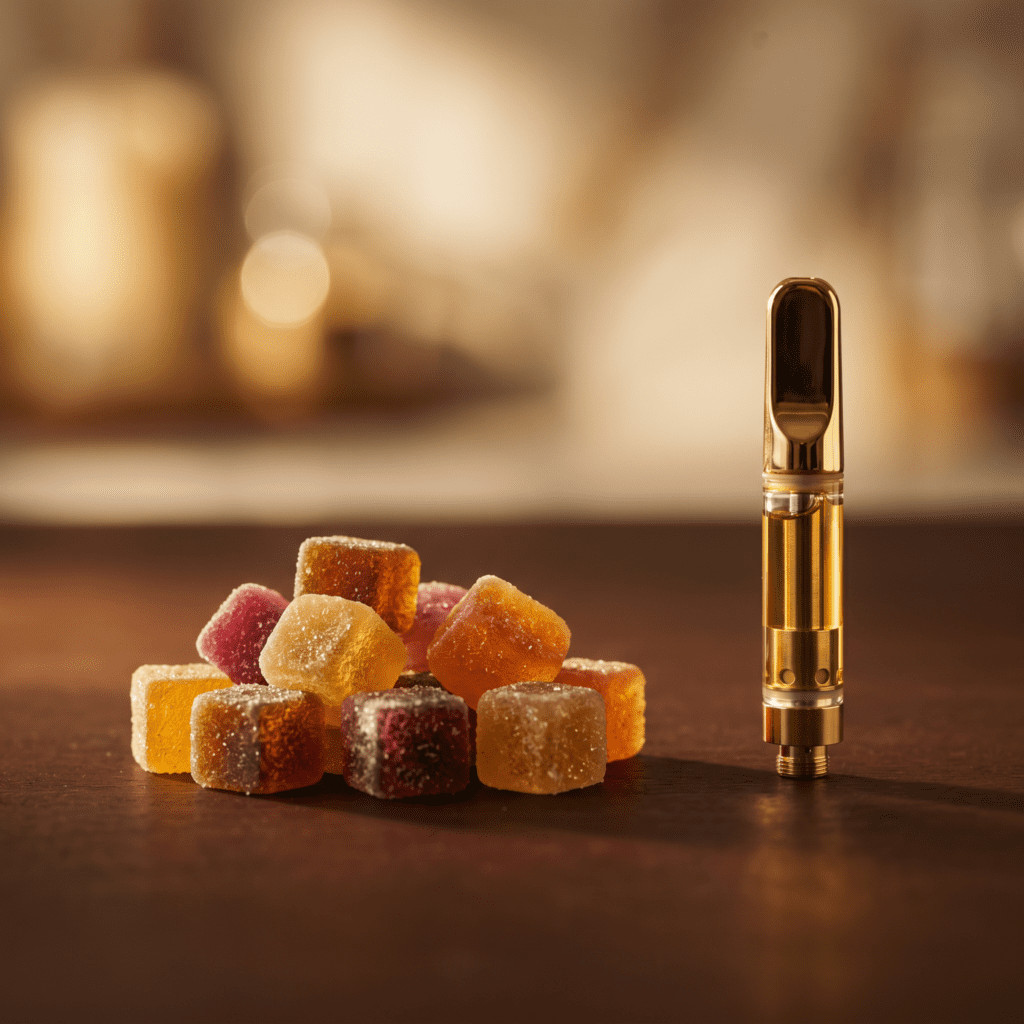
Oil vaporizers — 510-thread batteries and pod systems — are designed for pre-filled cannabis oil cartridges. They are the simplest vaping format available, the most beginner-friendly, and the most widely used in the legal Canadian market. They do not heat flower or loose concentrates — they are specifically designed for the sealed oil cartridges available from licensed retailers.
If convenience, discretion, and simplicity are your priorities, an oil vaporizer paired with pre-filled cartridges from our vapes and cartridges section at The Purple Leaf is the most practical choice.
Multi-Use Devices
Some vaporizers are designed to handle both dry herb and concentrate — typically through interchangeable chambers or attachments. These devices offer versatility but often make compromises in performance for both functions compared to dedicated single-purpose devices. For users who want to vaporize both flower and concentrates without owning two separate devices, a quality multi-use device can be a practical solution.
Step 2 — Portable or Desktop?
Once you know what you’re vaporizing, the next decision is where and how you’ll be consuming.
Portable Vaporizers
Portable vaporizers are battery-powered, handheld devices designed for on-the-go use. They range from simple, draw-activated vape pens at the entry level to sophisticated, precision-temperature portable dry herb devices with companion apps and replaceable batteries at the premium end.
Advantages: Use anywhere, discreet, convenient, no external power required.
Limitations: Battery life requires management, smaller chamber size than desktop units, heat-up times vary, and performance is generally somewhat below the best desktop vaporizers.
Best for: Users who consume primarily away from home, value discretion, or want a single device that works across different environments.
Desktop Vaporizers
Desktop vaporizers are mains-powered units designed for home use. They are larger, more powerful, and capable of delivering a more consistent and higher-quality vapour experience than most portable devices — but they require a power outlet and are not practical for mobile use.
Advantages: Superior vapour quality, precise temperature control, larger chambers for longer sessions or group use, no battery management.
Limitations: Not portable, require dedicated space, higher price point.
Best for: Regular home consumers who prioritise the highest possible vapour quality and are willing to invest in the best available experience for home sessions.
For most legal Canadian cannabis users, a quality portable vaporizer — or a portable oil vape in the form of a 510-thread battery — covers the majority of use cases at a practical price point. Desktop vaporizers are the choice of dedicated enthusiasts who treat vapour quality as the primary criterion.

Step 3 — Conduction vs Convection (For Dry Herb)
If you’re choosing a dry herb vaporizer specifically, the heating method matters significantly to both the flavour and efficiency of the experience.
Conduction Heating
Conduction vaporizers heat the flower by direct contact with a heated surface — typically a metal or ceramic chamber wall. The flower in contact with the chamber heats fastest, while flower in the centre of the load heats more slowly and unevenly.
Advantages: Faster heat-up times, simpler design, typically lower price point.
Limitations: Uneven heating can produce inconsistent vapour quality and requires stirring the chamber between draws for even extraction. Risk of combustion if temperature is set too high.
Convection Heating
Convection vaporizers heat the flower by passing hot air through it rather than through direct contact. The heat is distributed more evenly throughout the load, extracting cannabinoids and terpenes more uniformly and consistently.
Advantages: More even extraction, better flavour preservation, lower combustion risk, more efficient use of flower.
Limitations: Slightly longer heat-up times, generally higher price point, more complex engineering.
Hybrid designs combine both heating methods — a heated chamber for fast heat-up supplemented by convection airflow for even extraction. Many of the most popular mid-to-premium dry herb vaporizers use a hybrid approach.
For flavour-focused users who want the most authentic representation of their flower’s terpene profile — the primary reason to choose a dry herb vaporizer over combustion — a convection or hybrid device is worth the premium over a basic conduction unit.
Step 4 — Temperature Control
Temperature is one of the most important variables in vaporizer performance — and one of the most overlooked by buyers who focus exclusively on brand or price.
Different cannabinoids and terpenes vapourise at different temperatures. THC vapourises at approximately 157°C (315°F). Most terpenes vapourise between 130–200°C (266–392°F). Combustion begins above approximately 230°C (446°F).
The temperature range you vaporize at determines what you extract — and what experience you have.
Low temperatures (160–180°C / 320–356°F) produce light, highly flavourful vapour with strong terpene expression and a more clear-headed, functional effect. The cannabinoid extraction efficiency is lower at these temperatures — meaning you use more flower per session — but the flavour experience is exceptional and the effect is noticeably more gentle.
Medium temperatures (180–200°C / 356–392°F) balance flavour preservation with efficient cannabinoid extraction. This is the range most experienced dry herb vaporizer users settle into for everyday sessions — good flavour alongside meaningful potency.
High temperatures (200–220°C / 392–428°F) maximise cannabinoid extraction and produce dense, potent vapour with more pronounced sedating effects. Terpene expression is reduced at these temperatures and the vapour is thicker and slightly harsher. High-temperature sessions are popular for users seeking maximum effect from each bowl.
For beginners, lower temperatures are the safer starting point — the lighter vapour is more comfortable to inhale, the effect is more manageable, and the learning curve is more forgiving.
When evaluating vaporizers, look for precise temperature control — ideally displayed as a specific degree setting rather than a vague three-point low/medium/high selector. The ability to dial in your exact preferred temperature is what separates a quality vaporizer from a basic one.
Step 5 — Battery Life and Charging
For portable vaporizers, battery life is a practical consideration that significantly affects usability — particularly for users who consume multiple sessions per day or who want to use their device away from a charging source for extended periods.
Session-based consumption: If you typically vaporize one or two sessions per day at home, most portable vaporizers with 2,000–3,000 mAh batteries will comfortably last a full day between charges.
Continuous or heavy use: Users who consume throughout the day, or who use their vaporizer socially across longer sessions, should prioritise devices with larger battery capacity or replaceable batteries — the ability to swap in a charged battery rather than waiting for a charge cycle is a significant practical advantage.
Charging format: USB-C charging has become the standard on quality modern vaporizers and offers faster charging and universal compatibility with most current charging accessories. Avoid devices that use proprietary charging connections — they become a vulnerability as the device ages and chargers are lost or fail.
Pass-through charging — the ability to use the device while it charges — is a useful feature for desktop-adjacent portable use and eliminates downtime during sessions when the battery is running low.
Step 6 — Build Quality and Materials
The materials in contact with your cannabis and vapour during a session matter both for safety and for flavour.
Ceramic heating chambers and mouthpieces are the most flavour-neutral option — ceramic doesn’t impart any taste to the vapour and is non-reactive with cannabinoid compounds at vaporizing temperatures. Premium dry herb vaporizers typically use full ceramic or ceramic-lined chambers.
Borosilicate glass in the vapour path — found in some premium portables and most desktop units — produces the cleanest possible flavour with no material contribution to the vapour character. Glass vapour paths are the gold standard for flavour purity.
Stainless steel is widely used in vapour paths and chambers — food-grade stainless is safe and durable, though some users detect a faint metallic note in the vapour from steel-path devices at high temperatures.
Avoid plastic vapour paths — plastic can degrade at vaporizing temperatures and may contribute unwanted flavour compounds and potentially harmful off-gassing.
For oil vape pens specifically, ceramic coil cartridges are generally considered superior to metal coil alternatives — they heat the oil more evenly, preserve terpene expression better, and produce cleaner-tasting vapour. All cartridges sold at The Purple Leaf are sourced from licensed producers using appropriate materials.
Step 7 — Price — What to Expect at Each Tier
Entry level ($30–$80): Disposable vape pens and basic 510-thread batteries. Entirely appropriate for oil cartridges and a practical starting point for most beginners. Basic conduction dry herb vapes also appear at this tier — functional but limited in temperature precision and vapour quality.
Mid range ($80–$200): Quality 510-thread batteries with variable voltage, entry-to-mid portable dry herb vaporizers with reasonable temperature control, and basic dab pens for concentrate users. This tier covers the majority of regular cannabis consumers well.
Premium portable ($200–$400): The best portable dry herb vaporizers — precise convection or hybrid heating, full temperature control, quality materials throughout, companion app connectivity, and replaceable batteries. Devices in this tier represent a genuine investment that rewards daily users who prioritise vapour quality.
Desktop ($400+): The most capable vaporizers available. Consistent, precise, and capable of producing vapour quality that portable devices cannot match. A specialised purchase for dedicated home consumers.
For most legal Canadian cannabis users who primarily consume oil cartridges, a quality 510-thread battery in the $30–$80 range paired with cartridges from our vapes section covers the majority of needs at a very accessible price point. The premium tiers are most relevant to dedicated dry herb or concentrate vaporizer users who are treating the device as a long-term investment.

Matching Your Vaporizer to Your Cannabis Products
Your vaporizer choice and your cannabis product preferences are interconnected — here’s how to pair them effectively.
Oil cartridge vaporizer + vape cartridges: The simplest and most beginner-friendly combination. A quality 510-thread battery paired with a distillate or live resin cartridge from a licensed producer covers most everyday use cases elegantly.
Dry herb vaporizer + indica, sativa, or hybrid flower: The most authentic flower consumption experience without combustion. The terpene expression of quality flower at low-to-medium vaporizer temperatures is exceptional — particularly with fresh, properly stored flower from our flower menu.
Concentrate vaporizer + live resin or hash rosin: The most flavour-forward concentrate consumption format outside of a traditional dab rig. A quality ceramic dab pen loaded with live resin delivers a remarkably terpene-rich experience in a genuinely portable format.
Multi-use device + flower and concentrates: The most versatile option for users who consume across multiple product categories and want a single device that handles both.
Frequently Asked Questions
How do you choose the right cannabis vaporizer? Start by determining what you’re vaporizing — flower, concentrates, or oil cartridges. Then decide between portable and desktop based on where you consume. For flower, prioritise convection heating and precise temperature control. For oil, a quality 510-thread battery is the most practical choice. Browse our vapes and cartridges section at The Purple Leaf for currently available options.
What is the best vaporizer for cannabis flower? A portable convection or hybrid dry herb vaporizer with full temperature control and quality ceramic or glass materials in the vapour path delivers the best flavour and most efficient extraction from cannabis flower. Premium portables in the $200–$400 range represent the best combination of quality and convenience for most users.
What temperature should I vaporize cannabis at? 160–200°C (320–392°F) covers the range from flavour-focused low-temperature sessions through to efficient medium-temperature extraction. Start at the lower end and increase gradually to find your preferred balance of flavour and effect.
Is vaping cannabis better than smoking? Vaping eliminates combustion and the harmful byproducts of burning plant material, producing a cleaner flavour and a reduced respiratory impact compared to smoking. Most cannabis health researchers consider vaporizing a lower-risk consumption method than combustion.
Where can I buy cannabis vaporizer cartridges in Canada? The Purple Leaf carries a full range of cannabis oil cartridges including distillate and live resin options, available for local London, Ontario delivery and Canada Post shipping Canada-wide. Order at thepurple-leaf.com or call 519-777-9498.
Do I need a special vaporizer for concentrates? Yes. Dry herb vaporizers are not designed for concentrates. A dedicated dab pen, concentrate vaporizer, or e-rig is required for vaporizing products like shatter, live resin, or hash rosin. Browse our concentrates menu and dab rigs and tools at The Purple Leaf.
Shop Cannabis Vaporizer Cartridges at The Purple Leaf
Whatever vaporizer you choose, The Purple Leaf has the products to fill it — a comprehensive range of vape cartridges in distillate and live resin formulations, cannabis flower for dry herb devices, and concentrates for dedicated concentrate vaporizers — all licensed, tested, and available with local London, Ontario delivery or Canada Post shipping Canada-wide.
Visit thepurple-leaf.com or call 519-777-9498 Monday to Friday, 9 AM to 8 PM EST.
New customer? Subscribe to our newsletter and use code PRIMETIME for 10% off your first order.
The Purple Leaf — London, Ontario’s trusted cannabis dispensary. Licensed, tested, knowledgeable. Local delivery available. Ships across Canada.
Buy weed online in Canada · Same-day weed delivery in London, Ontario on weekday orders placed before noon (12:00 PM EST).