

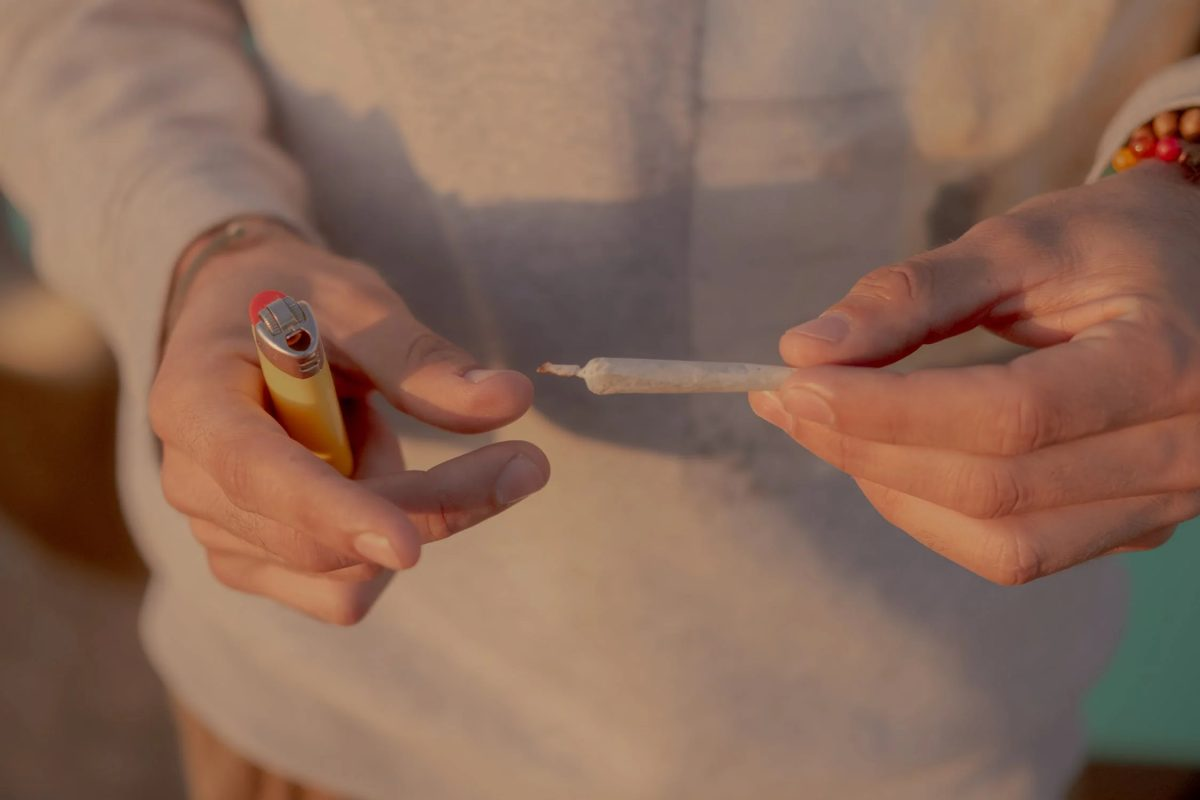
Smoking a pre-roll is straightforward once you know three things: which end to light, how to prepare it before you spark it, and how to pace yourself once you start. Most first-timer problems — harsh hits, uneven burns, a draw that pulls like a straw blocked with ice — come from skipping a 30-second prep that most guides don’t mention. This one covers it.
You need a lighter and your hands. Nothing else is required.
Which End Do You Light?
The cardboard or rolled paper filter goes in your mouth. The open end gets the flame.
On a cone-shaped pre-roll, the wider end is what you light. On a straight-rolled joint, you light whichever end doesn’t have the filter. Before you do anything else, take the pre-roll out of its tube carefully — squeezing too hard crushes the paper and creates the airflow problems you’ll spend the rest of the session fighting.
Give it a quick visual check. Look for tears in the paper, sections that look noticeably looser or tighter than the rest, or a twisted tip that appears completely pinched shut. Any of these are worth addressing before the lighter comes out. The Purple Leaf’s pre-roll selection spans standard and infused formats across indica, sativa, and hybrid strain profiles — worth browsing if you’re still deciding what to pick up.
The 30-Second Prep That Fixes Most Problems
This step is the one most guides skip, and it’s the reason a lot of first-timers have a frustrating session with a perfectly good pre-roll.
Gently roll the pre-roll between your fingers from the filter end toward the tip, applying light pressure. This redistributes the flower inside and closes gaps that cause uneven burns. If the draw feels tight when you test it by pulling without lighting, the pack is too dense — the same rolling motion loosens it. If it feels too loose or airy, a little gentle compression at the tip helps.
If the twisted tip looks pinched completely shut, give it a very shallow untwist with your fingers — just enough to open the very end without tearing the paper or spilling flower. Don’t rip the whole tip off. That causes the flower to fall out and creates the side-burning problems you were trying to avoid in the first place.
That’s the prep. Thirty seconds, no tools, and it prevents most of the common problems before they start.
How to Light It Without Making It Harsh
This is the step that makes the biggest difference in how the first few draws feel, and it’s the opposite of what most people instinctively do.
Hold your lighter flame just above the tip of the pre-roll and rotate it slowly in your fingers. Let the heat warm the paper around the full circumference without drawing any air through it yet. You’re looking for an even glow — called the cherry — to develop around the entire rim of the tip. This is called toasting, and it takes about five to ten seconds of patient rotation.
Only after you see that even glow around the whole tip should you take your first draw.
Pulling hard while you’re still lighting causes the flower to burn at least a third faster than it should, creates an uneven cherry that leads to one side burning ahead of the other, and produces hotter, harsher smoke that’s much more likely to make you cough. Toasting first and drawing after gives you a balanced ember that burns smoothly from the start.
Your First Draws
Once the cherry is established, place the filter to your lips and draw slowly and steadily. You’re not taking a big gulp of air — you’re pulling gently enough that smoke moves through the joint at a comfortable pace.
A technique called mouth-to-lung helps reduce harshness on first sessions: let the smoke rest briefly in your mouth before drawing it into your lungs, rather than inhaling directly. It cools the smoke slightly and gives you a moment to gauge how much you’re taking in before it’s already in your chest.
Take one or two draws and then stop. Put the pre-roll down and give it five to ten minutes. Effects from smoked cannabis typically begin within five minutes and build toward a peak around ten to twenty minutes in. The full experience usually lasts one to three hours depending on the product’s potency and your own tolerance. Knowing that timeline before you start is what lets you pace the session rather than guessing how much is enough.
Holding smoke in your lungs longer doesn’t increase how much THC your body absorbs in any meaningful way. It makes the draw harsher and is more likely to cause coughing. Exhale normally after each draw.

Standard Pre-Rolls vs Infused Pre-Rolls
Most pre-rolls contain ground dried flower in rolling paper — strain type and Total THC percentage are the two most relevant label details. An indica pre-roll and a sativa pre-roll at the same THC percentage produce different experiences, with indica-leaning products associated with physical relaxation and sativa-leaning ones associated with a more uplifted, mentally engaged quality.
Infused pre-rolls add a cannabis concentrate — kief, distillate, live resin, or hash — to the flower inside, the outside of the paper, or both. This raises the Total THC percentage significantly above what the flower alone would produce, sometimes reaching 35% or higher. Everything about the experience is more pronounced: the aroma, the flavour, and particularly the potency. If you’re newer to cannabis, a standard pre-roll at a moderate THC percentage is a more sensible starting point than an infused one. Check the label for both the Total THC percentage and the concentrate type before lighting anything you haven’t tried before.
When One Side Burns Faster Than the Other
Uneven burning — where one side of the cherry races ahead of the other — is called canoeing. It happens to experienced smokers too, and it’s fixable mid-session.
Rotate the pre-roll so the slower-burning side faces upward. Gravity plays a small but genuine role in how evenly a cherry burns, and this simple adjustment often brings things back into balance without any intervention.
If rotating doesn’t resolve it, apply a brief touch of flame directly to the lagging side to help it catch up. If the opposite problem is happening — one side burning too fast — a small amount of moisture applied to that edge with your fingertip slows it down.
The most effective solution is prevention. Proper prep before lighting and rotating the pre-roll slowly while toasting the tip are what prevent most canoeing from developing in the first place.
If the Draw Gets Tight Mid-Session
Resin buildup and moisture condensation can cause the draw to tighten after several puffs, particularly in the lower third of the joint where heat and moisture accumulate.
Set the pre-roll down for thirty to sixty seconds and let it cool. Gently roll it between your fingers again to loosen things up. If airflow is completely blocked, a thin implement — a toothpick or a straightened paperclip inserted carefully through the filter end — can clear the channel without damaging the joint. Relighting with a fresh toast after clearing the blockage usually restores a comfortable draw.
Saving the Rest for Later
You don’t need to smoke a pre-roll all the way down in one session. Pinch the cherry out between your fingers or stub it out at an angle against an ashtray without crushing the remaining flower. Avoid pressing it straight down — that compresses what’s left and makes relighting harder.
Store the remainder in its original tube or another airtight container in a cool, dark spot. Properly stored, a partially smoked pre-roll holds its quality reasonably well for a day or two. Beyond that, the open end degrades more quickly than a sealed pre-roll would.
If you’re buying pre-rolls to consume across multiple shorter sessions rather than all at once, a pack of smaller 0.5g joints gives you more flexibility than a single larger format. The Purple Leaf carries pre-rolls across a range of sizes and formats to suit different session preferences.
Choosing a Setting
For a first experience especially, setting matters more than most people expect. A quiet, familiar environment where you feel comfortable and unhurried makes the experience significantly more manageable than an unfamiliar or demanding one. Cannabis effects include altered time perception and heightened sensory awareness, both of which are easier to navigate in a comfortable setting.
Stay hydrated throughout the session. Dry mouth is one of the most common cannabis side effects and is easily managed by having water nearby. Don’t drive or operate machinery while under the influence — cannabis impairs reaction time and judgment, and this applies regardless of how mild the experience feels subjectively.
All products sold through licensed Canadian cannabis retailers like The Purple Leaf carry lab-tested, regulated THC content and come from federally licensed producers. The label tells you exactly what’s in the pre-roll before you light it, which is the most useful first step for anyone newer to cannabis.
You Don’t Need Accessories
A lighter handles everything required for a successful session. Hemp wick provides a slightly lower-temperature flame if it’s already in your setup, glass tips cool smoke a little if you prefer them, and a roach clip lets you smoke closer to the filter without burning your fingers — but none of these solve problems that proper technique doesn’t already prevent. The pre-roll, the lighter, and the preparation steps in this guide are all you need.
Your Pre-Roll Routine
Prep the airflow with gentle rolling, toast the tip without inhaling while rotating for an even cherry, take one or two slow mouth-to-lung draws and wait before taking more, and fix any canoeing by rotating or applying targeted flame. Give yourself five to ten minutes between rounds to let the effects register before deciding whether to continue.
That sequence, repeated consistently, turns what can feel like a frustrating or overwhelming first experience into something straightforward and enjoyable. Visit The Purple Leaf to browse our pre-roll selection and find the right format and strain for your first or next session.
For use by adults of legal age only. Do not drive after consuming cannabis. This article is for informational purposes only and is not medical advice.
Frequently Asked Questions
Why is my pre-roll hard to draw through?
The most common cause is a pack that’s too tight, a pinched tip, or resin buildup mid-session. Gently rolling the pre-roll between your fingers before lighting addresses the first two. If the draw tightens mid-session, set it down for a minute to cool, roll it again lightly, and relight with a fresh toast.
Do I need to smoke the whole pre-roll at once?
No. Take a few draws, wait five to ten minutes to feel the effects, and decide whether to continue. If you don’t finish it, pinch the cherry out and store the rest in an airtight container for later. Starting with less than you think you need is always the more comfortable approach with any new product.
Why does holding the smoke in longer feel like it does more?
It doesn’t increase THC absorption in any meaningful way. The sensation of holding smoke in feels more intense because you’re holding your breath, not because more THC is being absorbed. It also makes draws harsher and is more likely to cause coughing. Exhale normally.
What’s the difference between a standard and infused pre-roll?
A standard pre-roll contains dried flower only. An infused pre-roll adds a cannabis concentrate — kief, distillate, live resin, or hash — which raises the Total THC percentage significantly. For newer consumers, a standard pre-roll at a moderate THC level is the more manageable starting point. Check the label for both the Total THC percentage and whether any concentrate has been added.
How long do the effects last?
For smoked cannabis, effects typically begin within five minutes, peak around ten to twenty minutes in, and last one to three hours for most people. The strain, potency, your individual tolerance, and how much you consumed all influence where in that range you land.
What do I do if I feel uncomfortable?
Stop consuming, find a comfortable and familiar spot, drink water, and remind yourself the effects are temporary and will pass. Slow, deliberate breathing helps with any anxiety. Avoid alcohol and caffeine. The experience will resolve on its own. If you want guidance on lower-potency options for next time, the team at The Purple Leaf can help you find a more suitable starting point.