

A hash hole joint is a regular joint with a core of cannabis concentrate running through the centre from tip to filter. The concentrate forms a channel down the middle that burns slowly as the surrounding flower burns outward, leaving a visible hole through the cross-section of ash — which is where the name comes from. It’s one of the more visually striking things you can roll, and once you understand why the technique works, it becomes a practical and repeatable way to add concentrate to your flower sessions without any specialized equipment.
Why Roll a Hash Hole
The short version is that it’s one of the simplest ways to meaningfully increase the potency and flavour complexity of a joint without a dab rig, a vaporizer, or anything beyond what you’d need to roll a regular pre-roll.
Sprinkling concentrate into ground flower is a common alternative, but it creates an uneven distribution problem. Some draws are richer and more potent than others, and concentrated pockets can burn hot and harsh when they’re reached. A central concentrate core distributes the additional cannabinoids more consistently across the full length of the joint, because every draw passes through or adjacent to the core regardless of where you are in the session.
The flavour difference is also noticeable. A live resin or rosin core burns slowly and contributes its terpene character throughout the session rather than all at once in a concentrated burst. For anyone who shops for concentrates specifically for their aromatic complexity, a hash hole is a more efficient way to experience that character than surface-level application. The Purple Leaf carries a range of concentrates suited to this technique across different extract types and terpene profiles.
What You Need
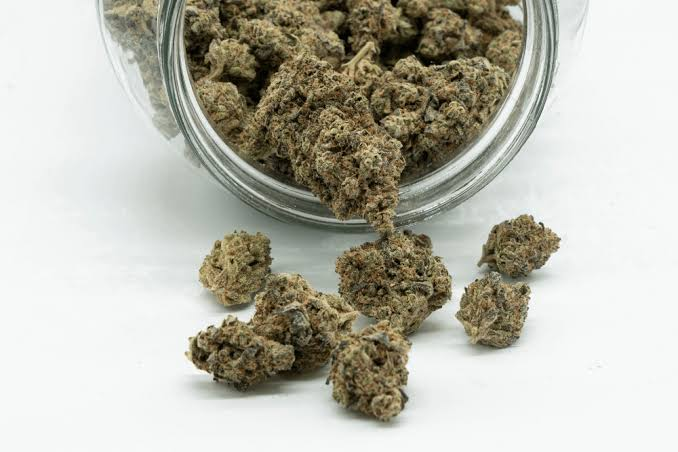
Flower. Your choice of strain, ground to medium consistency. The surrounding flower is what provides structural support for the core and determines most of the burn rate, so quality matters here just as it does for any regular joint.
Concentrate. Live resin, rosin, hash, or distillate are the most commonly used options. Rosin and live resin are particularly popular for hash holes because their complex terpene profiles become the defining aromatic character of the session. Distillate works well for potency but contributes less flavour. Kief is also usable, though its loose powdery consistency makes it harder to form into a stable core.
A dabber tool or something similar. You’ll use this to warm and shape the concentrate into a thin rope. A toothpick, a thin chopstick, or a skewer works if a dedicated dab tool isn’t available.
Rolling papers. King size papers give you the most room to work and the easiest time keeping the core centred while you roll. The technique is possible with 1¼ papers but considerably more forgiving at king size.
A filter tip. Standard construction — you’ll roll this before starting.
Preparing the Concentrate Core
This is the step that determines whether the technique works or not, and it’s worth taking time on.
Remove the concentrate from its container and let it come to room temperature if it’s been refrigerated. Cold concentrate is brittle and breaks rather than stretching — you need it pliable. Rosin and live resin are typically soft enough at room temperature without any additional warming. Harder extracts like shatter may need a few seconds of gentle hand warming to become workable.
Take a small amount — roughly the size of a grape is a practical starting point for a king-size joint — and begin rolling it between your fingers or against a clean, flat surface. The goal is a thin, rope-like shape approximately the same length as the joint you’re planning to roll, with a consistent diameter around 3 to 4mm. The rope doesn’t need to be perfectly uniform, but it should be relatively even and hold its shape when you set it down.
Some concentrates are stickier than others and will want to adhere to your fingers throughout this process. Working quickly and keeping your hands cool helps. If the rope keeps sticking to itself, a very light dusting of kief on the outside provides a workable surface coating that also adds a small potency boost.
Set the finished rope aside on a piece of parchment paper where it won’t stick.
Building and Rolling the Joint
Roll your filter tip and set it aside. Lay your king-size paper flat with the gum strip facing you at the top. Load your ground flower evenly along the length of the paper, leaving the standard amount clear at the filter end. The flower bed should be slightly shallower in the centre than at the edges — you’re creating a channel where the concentrate rope will sit.
Place the concentrate rope along the centre of the flower bed, running parallel to the filter and stopping slightly short of both ends. The rope sits in the channel you’ve created, effectively suspended within the flower rather than resting on the paper. Place the filter tip at the appropriate end.
From here, the rolling process follows the same mechanics as a standard joint. Pick up the loaded paper and shape the contents into a cylinder using your thumbs, pressing inward gently to encourage the flower to wrap around the concentrate core. Because the core is already shaped and positioned, the flower tends to close around it naturally as you tuck.
Tuck the front edge of the paper behind the flower and roll upward, licking the gum strip and pressing to seal when the paper reaches it. The core being internal rather than surface-applied means you’re not losing concentrate to the paper or to your fingers during the roll itself.
Twist the open end closed once the roll is sealed.

Lighting and Smoking a Hash Hole
This is where the technique diverges from a regular joint in one important way. A concentrate core doesn’t ignite as readily as flower does from a lighter flame alone, particularly in the first few moments of the session. Taking extra care with the initial light-up pays off for the rest of the smoke.
Hold the tip of the joint at the edge of the flame and rotate slowly, toasting the entire circumference before you draw. Give the tip a bit more time than you would with a standard joint — you want the outer flower to be properly lit and the heat radiating inward toward the core before you start drawing. Once you see an even cherry developing around the full tip, take your first slow draw.
As the session progresses, the concentrate core burns more slowly than the surrounding flower, which is why the hole appears in the ash as the joint burns down. The hole is visible confirmation that the technique is working as intended. If the core catches up to or burns ahead of the flower, the draw is being pulled too hard or the outer flower was packed too loosely. If the flower consistently burns ahead of the core, the core may be slightly too thick or the draw is too gentle.
Pacing matters more with a hash hole than a standard joint because the concentrate contribution means the overall potency is higher than the flower alone would produce. One or two draws and a pause to check in with yourself is a sensible cadence for a first hash hole, particularly with a live resin or rosin core that’s bringing a distinct terpene and potency contribution to every draw.
Choosing Your Concentrate
The technique is compatible with most concentrate textures, and each brings a different character to the experience.
Live resin is the most popular choice for hash holes among consumers who prioritize flavour and terpene expression. Made from fresh-frozen cannabis, live resin preserves more of the original plant’s aromatic profile than concentrates made from dried and cured material. The result is a more expressive, strain-specific aroma throughout the session that’s noticeably different from what the flower alone contributes.
Rosin is produced without solvents using heat and pressure, which appeals to consumers who prefer a solvent-free extract. It has a full-bodied flavour and a pliable consistency that works well for shaping into a rope. Live rosin, made from fresh-frozen material, is at the premium end and produces particularly expressive results in this technique.
Hash — particularly pressed hash — is one of the oldest applications of this general concept and works well for anyone who prefers a more traditional character. The flavour contribution is earthier and less terpene-forward than live resin or rosin, but it burns cleanly and holds its shape reliably.
Distillate is the most potent option in terms of THC concentration and the most neutral in flavour. It’s worth knowing that distillate is significantly stickier than most other concentrates, which makes it harder to shape into a stable rope without the right technique. Chilling it slightly before handling helps, and coating the outside in kief is particularly useful with distillate to create a workable surface.
Shatter is possible but less forgiving than the above options. Its brittle texture at room temperature requires careful warming before it’s pliable enough to shape, and it can crack or break when you’re trying to form the rope. If shatter is what you have available, warming it gently between your palms over a longer period than you’d think necessary is the key.
Sizing the Core for the Result You Want
The amount of concentrate in the core is the main dial for tuning the experience. A thinner rope produces a more subtle infused experience where the flower remains the dominant character of the session. A thicker rope — approaching 5mm in diameter — produces an experience closer to dabbing with a flower wrapper, where the concentrate is contributing as much to the session as the flower is.
Starting on the thinner side is the right approach for a first hash hole, particularly if you’re working with a live resin or high-THC rosin that’s bringing significant potency on top of whatever the flower contains. You can always roll a thicker core in the next session once you have a reference point for how the technique affects you personally.
Canada’s legal cannabis concentrates are labelled with verified Total THC content, which gives you a concrete reference point for calibrating how much concentrate you’re adding relative to your usual flower sessions. A 1g live resin at 70% Total THC adds considerably more cannabinoids to a joint than 0.3g of the same product — knowing the numbers before you roll helps you plan the experience rather than discovering it mid-session. Browse The Purple Leaf’s concentrates selection for what’s currently in stock.
Common Issues and How to Fix Them
The core won’t hold its shape during rolling. The concentrate is either too warm, too soft, or hasn’t been worked into a stable enough rope before starting. Try working the rope on a cool surface rather than in your hands, or refrigerating the concentrate for a few minutes before shaping.
The joint burns unevenly, with one side pulling ahead. This is usually a flower packing issue rather than a core issue. The flower surrounding the core needs to be distributed evenly on all sides — if it’s thicker on one side, that side burns slower and the cherry migrates. Re-examine your flower distribution before rolling the next one.
The hole isn’t visible in the ash. Either the core was too thin to leave a visible channel, or the core material burned faster than expected. Both are fixable — a slightly thicker rope solves the first, and switching to a slower-burning extract type like rosin solves the second.
The draw is very restricted. The concentrate rope may be too thick relative to the overall joint size, limiting airflow. This is less common with king-size papers but can happen. A thinner rope or a slightly looser overall pack resolves it.
The tip doesn’t stay lit through the session. This usually means the outer flower isn’t fully lit before you start drawing. The extra toasting time at the tip before the first draw is more important with a hash hole than a standard joint — give it more time than feels necessary and make sure the cherry is consistent around the full circumference before pulling.
Storing and Using Leftover Concentrate
Any concentrate that’s left over from shaping the rope can be stored back in its original child-resistant container in a cool, dark spot. Live resin and rosin in particular benefit from refrigerator storage between sessions to preserve terpene freshness. Distillate is more stable at room temperature but also benefits from being kept away from heat and light.
Cannabis concentrates purchased from a licensed Canadian retailer like The Purple Leaf come in compliant, sealed packaging designed to maintain product integrity between uses. Keeping the container sealed and following the storage guidance helps the remaining product stay as fresh as the first portion you used.
Frequently Asked Questions
How much concentrate should I use for a first hash hole?
A rope of roughly 3 to 4mm diameter running the length of a king-size joint is a practical starting point. This is conservative enough to let you gauge the combined effect of flower and concentrate before deciding whether to scale up in future sessions.
Does the type of concentrate significantly change the experience?
Yes, particularly in terms of flavour and aroma. Live resin and rosin contribute distinct terpene character throughout the session. Distillate adds potency with a more neutral flavour. The concentrate you choose shapes what the session actually tastes and feels like, not just how potent it is.
Can I use kief instead of a full concentrate?
Kief can work, but its loose texture makes it harder to form into a stable rope that holds its shape during rolling. A common approach is to use kief as an outer coating on a different concentrate to create a workable surface, rather than as the rope itself.
Is a hash hole stronger than a regular infused pre-roll?
Potency depends on how much concentrate is in the core and its THC content. A hash hole you’ve rolled yourself gives you full control over both variables, which is one of its advantages over a commercial infused pre-roll where the infusion level is fixed. For equivalent amounts of concentrate, the experience should be broadly comparable.
What papers work best for this technique?
King-size papers are the most forgiving for hash holes because the extra length and width give you room to keep the core properly centred during rolling. Rice or hemp papers both work well and contribute the least flavour interference with the concentrate you’ve chosen.
The Bottom Line
A hash hole joint is a practical, low-equipment technique for adding concentrate to a flower session in a way that burns more consistently than surface-level application and contributes distinct aromatic character throughout rather than in a single concentrated burst. The core shapes the experience as much as the strain does — choosing a live resin or rosin with a terpene profile you enjoy is worth as much attention as which flower you pair it with. Visit The Purple Leaf to explore our concentrates and flower selection and find the right combination for your next hash hole.