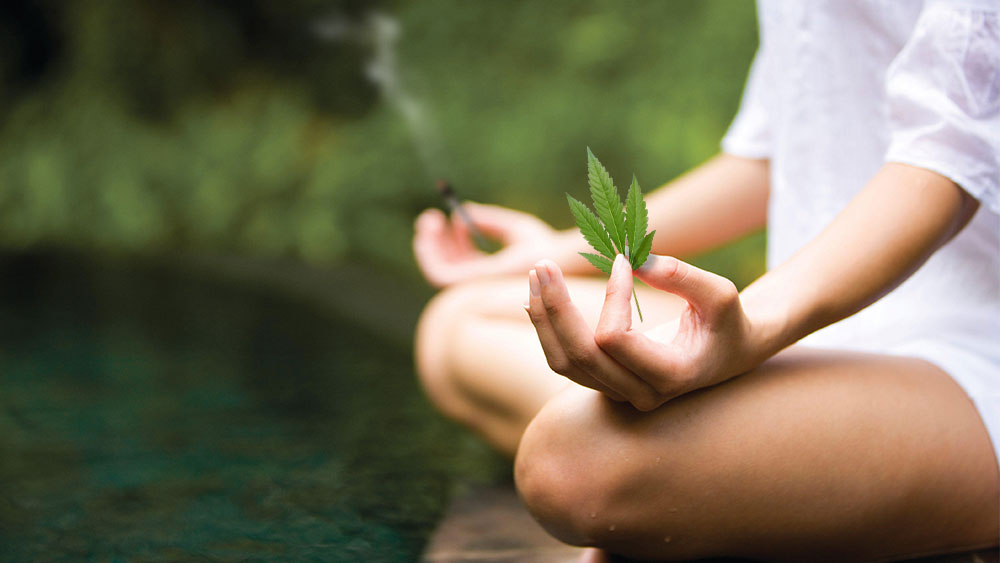
Meditation and cannabis have a relationship that stretches back thousands of years — long before either was a mainstream wellness topic in Canada. Ancient Vedic texts reference cannabis as a sacred plant used in spiritual practice. Sufi traditions in Central Asia incorporated cannabis into meditative and contemplative rituals. Indigenous cultures across multiple continents used plant medicines to support states of deep inward focus.
The modern legal cannabis market has brought this ancient combination into a new context — one where the products are tested, the doses are accurate, and the conversation is grounded in both traditional wisdom and contemporary neuroscience. Here’s what the evidence and experience actually say about combining cannabis with meditation — and how to do it in a way that genuinely enhances rather than undermines your practice.
Why Cannabis and Meditation Are a Natural Pairing
The core goal of most meditation practices — regardless of tradition or technique — is achieving a state of present-moment awareness. Quieting the mental noise of past regrets and future anxieties. Bringing attention fully into the body and the breath. Reducing the grip of the default mode network — the brain’s background narrative system that produces the constant stream of self-referential thought that most of us experience as mental chatter.
Cannabis, at appropriate doses, supports several of these goals through mechanisms that are genuinely complementary to what meditation is trying to achieve.
THC suppresses default mode network activity. The default mode network — sometimes called the “monkey mind” in meditation traditions — is the brain region most active during mind-wandering, self-referential thought, and the rumination that keeps meditators stuck in mental loops rather than present in the moment. THC at low to moderate doses consistently reduces default mode network activity in neuroimaging studies — producing the same quieting effect that experienced meditators work for years to achieve through practice alone.
CBD reduces the anxiety that prevents meditation. One of the most common barriers to effective meditation is anxiety — the restlessness, the physical tension, the racing thoughts that make sitting still feel impossible rather than peaceful. CBD’s well-documented anxiolytic properties directly address this barrier, reducing baseline anxiety and creating the physiological conditions in which meditation can actually work.
Cannabis heightens present-moment sensory awareness. The increased sensitivity to sensory input — the texture of breath, the physical sensations in the body, the sounds of the environment — that many users experience at appropriate cannabis doses aligns directly with the cultivated sensory attentiveness that mindfulness meditation is designed to develop.
The ritual creates intention. Beyond the pharmacological effects, the deliberate act of preparing and consuming cannabis before meditation serves as a transitional ritual — a clear signal to the nervous system that the mode is shifting. Rituals are powerful cues for state changes, and using cannabis intentionally as a pre-meditation practice can reinforce the habit of meditation itself.
The Dose Matters Enormously
Before getting into specific products and practices, the most important point to establish is that dose separates a meditation-enhancing cannabis experience from one that actively undermines your practice.
High doses of THC produce cognitive overload — racing thoughts, heightened self-consciousness, difficulty tracking sequences of ideas — that are the opposite of what meditation needs. The goal is not to get as high as possible before sitting down to meditate. The goal is to use cannabis at a low, intentional dose that quiets the default mode network and reduces anxiety without introducing new mental noise.
Low doses — 2.5–5 mg THC for edibles, one to two draws from a vape or pre-roll, or a CBD-forward product with minimal THC — consistently outperform higher doses for meditation purposes. Less is genuinely more in this specific application. If you find that cannabis is making your mind more active and harder to settle rather than quieter, the dose is too high.

Which Cannabis Products Work Best for Meditation
CBD Oil — For Anxiety-Driven Meditation Difficulty
If the primary barrier to your meditation practice is anxiety — the inability to sit with the restlessness and discomfort that arises when you stop distracting yourself — CBD oil is the most targeted product for addressing it.
Administered sublingually 15–45 minutes before your practice, CBD oil reduces the baseline anxiety that makes meditation feel impossible without introducing any psychoactive effect that might distract from the practice itself. You remain completely clear-headed, just less anxious — which is precisely the condition meditation works best in.
Browse our CBD products at The Purple Leaf for available CBD oil options.
Balanced THC/CBD Vape Cartridges — For Gentle Present-Moment Enhancement
A single draw from a balanced THC/CBD vape cartridge — containing equal parts THC and CBD — produces a subtle, manageable shift in awareness that most meditation practitioners describe as supportive rather than distracting. The CBD moderates the intensity of the THC and produces a more grounded, body-focused experience than pure THC products.
The fast onset of vaping makes this format practical for a pre-meditation ritual — effects arrive within minutes, allowing you to gauge your response before sitting. Browse our vapes and cartridges section at The Purple Leaf for currently available balanced options.
Low-THC Indica or Hybrid Flower — For Body-Focused Practices
For meditation styles that emphasise physical body awareness — body scan meditation, yoga nidra, somatic practices — a small amount of indica or indica-dominant hybrid flower consumed before practice can meaningfully deepen the physical relaxation and body attentiveness that these practices cultivate.
The myrcene-dominant terpene profile of quality indica strains produces muscle relaxation and physical ease that supports the settling into the body that body-focused meditation requires. One to two draws from a low-THC indica pre-roll or a pipe — followed by a 10-minute wait before sitting — is a practical approach.
Browse our indica flower and pre-rolls at The Purple Leaf for currently available options.
Low-Dose Sativa or Hybrid — For Mindfulness and Concentration Practices
For meditation practices that emphasise mental clarity and present-moment sensory awareness — vipassana, open monitoring meditation, sensory-focused mindfulness — a low-dose sativa or balanced hybrid can enhance the quality of attention brought to the practice.
The limonene and pinene terpenes common in sativa-dominant strains are associated with mental alertness and clarity — supporting attentive, focused presence rather than the drowsy body-heaviness that heavy indica strains can produce. A very modest dose — one draw, carefully assessed — is the appropriate starting point for attention-based practices.
Browse our sativa flower and hybrid options at The Purple Leaf.
Low-Dose Edibles — For Extended Practices and Savasana
For extended meditation sessions — longer sits, retreat-style practice, yoga nidra, or practices that conclude with an extended savasana — a very low-dose edible (2.5–5 mg THC) consumed 60–90 minutes before the session begins times the peak effect to arrive during the practice rather than before it.
The 4–6 hour duration of a low-dose edible covers an extended meditation session comprehensively, maintaining a consistent, subtle backdrop of cannabinoid effect throughout without requiring re-dosing.
Browse our edibles menu and capsules section at The Purple Leaf for low-dose options.
The Role of Terpenes in Cannabis Meditation
Terpenes — the aromatic compounds in cannabis that shape both its scent and its effect character — are worth understanding specifically in the meditation context, because they influence the quality of the mental state that cannabis produces in ways that are directly relevant to different meditation styles.
Linalool — the floral terpene also found in lavender — is associated with calm, anxiety reduction, and sedation. Present in high concentrations in many indica-dominant strains. Ideal for relaxation-focused meditation, sleep meditation, and practices where settling the nervous system is the primary goal.
Myrcene — the most abundant terpene in many indica strains — produces physical relaxation and a grounded body sensation. Ideal for body-focused practices, yoga nidra, and breath-centred meditation where physical ease supports the practice.
Pinene — a sharp, pine-scented terpene — is associated with mental alertness and clarity, and may counteract some of the short-term memory effects of THC. Ideal for attention-based mindfulness practices where cognitive clarity is important.
Limonene — a bright, citrusy terpene — is associated with mood elevation and reduced anxiety. Ideal for meditation practices that aim to cultivate positive emotional states or where anxiety is the primary barrier to practice.
Caryophyllene — a spicy, peppery terpene — interacts directly with CB2 receptors, producing anti-inflammatory and stress-relieving properties. Ideal for practitioners whose stress response has a significant physical component — tension headaches, jaw clenching, muscle tightness that interferes with comfortable sitting.
When choosing cannabis for meditation, reading the terpene profile of a product alongside its THC/CBD percentages gives you a much more informed basis for selection than potency numbers alone.
How to Structure a Cannabis Meditation Session
Here is a practical, evidence-informed framework for incorporating cannabis into a meditation practice.
Set a clear intention before consuming. What are you bringing to this practice? What do you want from it? Stating an intention — even briefly, in your own words — shifts the cannabis consumption from casual to deliberate and primes your nervous system for the practice to follow.
Choose the right product for your practice style. CBD or balanced products for anxiety-focused and clarity-focused practices. Low-dose indica or hybrid for body-focused and relaxation practices. Low-dose edibles for extended sessions.
Respect the timing. Vaping or smoking — consume 10–30 minutes before sitting. CBD oil sublingually — 15–45 minutes before. Edibles — 60–90 minutes before. The timing aligns the onset with your practice rather than with your preparation.
Create a dedicated space. A consistent, intentional physical space for meditation — even a corner of a room with a cushion, a candle, and minimal distractions — reinforces the practice habit and signals to your nervous system that this time is different from other time.
Start with a body scan. Begin your practice by slowly bringing attention through each area of the body from feet to crown. Cannabis heightens body awareness — using this heightened proprioception deliberately at the start of your practice roots the session in physical presence before moving to breath or other objects of attention.
Use the breath as an anchor. When the mind wanders — and it will, even with cannabis — return to the breath. The slightly enhanced breath awareness that low-dose cannabis produces makes the breath a more vivid anchor than it might be in a sober session, which is one of the most consistently reported practical benefits of the cannabis-meditation combination.
Close deliberately. End your practice with a few minutes of gratitude or silent acknowledgement of the session before returning to activity. The transitional quality of a cannabis-supported meditation session can make re-entering the demands of daily life feel abrupt without a deliberate closing.
Different Meditation Styles — Which Cannabis Products Suit Each
Mindfulness meditation (breath-focused): Low-dose sativa or balanced hybrid vape cartridge. One draw, 15 minutes before sitting. The mental clarity of moderate sativa terpenes supports attentive breath observation.
Body scan meditation: Low-dose indica flower or hybrid pre-roll. One to two draws, 20 minutes before. The myrcene-forward physical relaxation of indica deepens the body awareness that body scan practice cultivates.
Loving-kindness meditation (metta): CBD oil with a small amount of THC, or a balanced edible. The warmth and emotional openness associated with low-dose cannabis complement the heart-centred quality of loving-kindness practice.
Yoga nidra / sleep meditation: Low-dose indica edible or capsule consumed 60–90 minutes before. The extended, deeply relaxing quality of indica edibles aligns perfectly with the deliberate progressive relaxation of yoga nidra.
Concentration practice (single-pointed focus): CBD oil alone, or a low-dose balanced product. Minimal psychoactivity — the goal is reducing anxiety without introducing any cognitive wandering that might compete with the single-pointed focus the practice requires.
Open awareness / choiceless awareness: Low-dose hybrid with both sativa and indica character. The spacious, receptive quality of a balanced hybrid at low dose can support the non-directive, open quality of awareness that choiceless awareness meditation cultivates.
What Not to Do — Cannabis Meditation Mistakes Worth Avoiding
Don’t consume too much. Covered above, but worth repeating. High doses produce the opposite of a meditative state — cognitive overload, heightened self-consciousness, difficulty settling. Less is more in this context without exception.
Don’t meditate immediately after consuming edibles. The 30-minute to 2-hour edibles onset window creates too much uncertainty — you might be sitting in your most demanding practice of the week when the edible decides to fully arrive. Plan the timing carefully or choose faster-onset formats.
Don’t use cannabis as a substitute for developing actual meditation skill. Cannabis can support your practice. It cannot replace the gradual cultivation of attentional capacity that regular, consistent meditation develops over months and years. The goal is using cannabis as a support while building the underlying skill — not depending on it indefinitely as a requirement for any meditative experience.
Don’t choose high-stimulation sativas for relaxation practices. A high-THC cerebral sativa before a relaxation-focused practice will produce mental activity rather than mental quiet — the wrong tool for the job.
Frequently Asked Questions
Does cannabis help with meditation? At low to moderate doses, cannabis can support meditation by reducing default mode network activity, lowering anxiety, and heightening present-moment sensory awareness — all qualities that complement core meditation goals. The key is intentional, low-dose consumption rather than recreational-level use. Browse appropriate products at thepurple-leaf.com.
Is indica or sativa better for meditation? It depends on the meditation style. Indica and indica-dominant hybrids are better for body-focused, relaxation, and sleep meditation — their physical relaxation and myrcene-forward terpene profiles support settling into the body. Sativa and sativa-dominant hybrids at low doses are better for mindfulness and attention-based practices where mental clarity is important.
What is the best cannabis product for meditation beginners? CBD oil is the safest starting point — it reduces anxiety without any psychoactivity, allowing beginners to experience cannabis-supported meditation without the added variable of THC. Browse our CBD products at The Purple Leaf.
Can you meditate after taking edibles? Yes, but timing is critical. Consume a low-dose edible 60–90 minutes before your practice to align the peak effect with your session. Never attempt to meditate immediately after consuming edibles — the onset uncertainty makes timing too unpredictable.
Does CBD help with meditation? Yes. CBD’s anxiety-reducing properties directly address one of the most common barriers to effective meditation — the inability to sit with physical and mental restlessness. It supports meditation without any psychoactive effect. Browse our CBD range.
Where can I buy cannabis products for meditation in Canada? The Purple Leaf carries a full range of CBD oils, balanced vape cartridges, low-dose edibles, indica flower, and pre-rolls suited to meditation and mindfulness applications — available for local London, Ontario delivery and Canada Post shipping Canada-wide. Order at thepurple-leaf.com or call 519-777-9498.
Shop Cannabis Meditation Products at The Purple Leaf
Whether you’re deepening an existing meditation practice or exploring mindfulness for the first time, The Purple Leaf has the right products to support a more intentional, present, and peaceful practice.
Browse our CBD products, vapes, indica flower, pre-rolls, edibles, and capsules at thepurple-leaf.com, or call us at 519-777-9498 any day between 9 AM and 9 PM.
New customer? Subscribe to our newsletter and use code PRIMETIME for 10% off your first order.
The Purple Leaf — London, Ontario’s trusted cannabis dispensary. Licensed, tested, knowledgeable. Local delivery available. Ships across Canada.