

Ever wonder why one strain smells like fresh citrus and another smells like a diesel-soaked forest floor? The THC percentage doesn’t explain it. Neither does the indica or sativa label. The answer is terpenes — and once you understand them, shopping for cannabis gets considerably more interesting and considerably more precise.
What Are Terpenes?
Terpenes are aromatic compounds found throughout the plant world, not just in cannabis. They’re the same class of molecules responsible for the sharp smell of a pine forest, the bright zing of a lemon peel, and the soft floral character of lavender. Plants produce them for a range of reasons — to attract pollinators, to deter pests, and to respond to environmental conditions during growth.
Cannabis plants produce dozens of distinct terpenes, and the specific combination and concentration of those compounds is what gives each strain its signature aroma and flavour. When you open a jar of flower and take a long inhale before deciding whether to buy it, what you’re actually assessing is the terpene profile. That moment of evaluation is more useful than looking at the THC number, even if it doesn’t feel that way yet.
Every strain carries its own terpene fingerprint. Two products with the same THC percentage and even the same strain name can smell and taste completely different depending on the genetics selected, the growing environment, the curing process, and how the flower was stored after harvest. Understanding terpenes is what helps you make sense of that variation rather than being surprised by it. The Purple Leaf carries flower across a range of terpene profiles — ask the team what’s currently smelling best.
The Most Common Cannabis Terpenes and What They Smell Like
You don’t need to memorize a chemistry textbook to start recognizing terpenes. A few dominant ones appear across a wide range of cannabis strains, and once you know them, you’ll start picking them out naturally as you explore different products.
Myrcene is the most abundant terpene in most cannabis strains. Its aroma is earthy, musky, and slightly clove-like — the deep, grounding base note in many indica-leaning products. Myrcene is also found in mangoes and hops, and it’s associated with physically relaxing, body-forward qualities that many consumers connect to the classic indica experience.
Limonene is the terpene responsible for the bright citrus character in strains like Lemon Haze or Tangie. It smells exactly like lemon or orange peel — clean, sharp, and uplifting. Limonene is associated with a mood-forward, more mentally engaged quality and is common in sativa-leaning products.
Pinene smells like a forest — sharp, fresh, and unmistakably piney. It’s one of the most widely distributed terpenes in nature and is associated with mental alertness and clarity. Both alpha and beta pinene are found in cannabis, and strains with notable pinene content tend to feel more mentally clear than deeply sedating.
Caryophyllene is distinctive for being both a terpene and the only terpene known to interact directly with the body’s cannabinoid receptors. Its aroma is peppery and spicy — the same compound found in black pepper and cloves. It’s associated with a calming, grounding quality that doesn’t add to psychoactive intensity, and it’s prominent in strains like OG Kush and Wedding Cake.
Linalool is the dominant terpene in lavender, and it brings a soft, floral character to cannabis strains that carry it. It’s associated with physical ease and emotional openness — a quieter, more settled quality than some of the more stimulating terpenes. Strains with notable linalool content are often described as particularly smooth and relaxing.
Humulene has a woody, earthy, and slightly hoppy aroma — not surprising given that hops and cannabis are botanical relatives from the same plant family. It brings a dry, herbal character to strains where it’s prominent and is associated with an appetite-suppressant effect, which sets it apart from the more commonly discussed terpenes.
Terpinolene appears less frequently than some of the others but is worth knowing. It has a complex, layered aroma that blends fruity, floral, herbal, and slightly piney notes. Strains with terpinolene as a dominant compound often feel more uplifting and clear-headed than sedating.
Most strains carry several terpenes rather than just one dominant compound, which is why tasting notes in product descriptions often reference combinations — citrus-forward with an earthy finish, for example, or spicy and musky with bright floral notes on the exhale. The interaction of multiple terpenes is part of what gives each strain its distinct, layered character.
Flavonoids: The Supporting Cast
Terpenes get most of the attention when it comes to aroma and flavour, but flavonoids are part of the picture too. These plant compounds contribute to colour — the vivid purples and deep greens in some cannabis strains come largely from anthocyanin flavonoids — and they also contribute subtle dimension to the overall sensory profile alongside terpenes.
Flavonoids are mentioned less frequently on packaging than terpenes, but they’re part of the same broader category of plant compounds that give cannabis its complexity. They’re one reason why the complete sensory profile of a well-grown, properly cured strain is difficult to fully replicate in an extracted or processed product.
Why Terpenes Matter More Than THC When Choosing Flower
This is the shift in perspective that makes the biggest practical difference when you’re standing at the shelf.
THC percentage tells you about concentration — how much of the primary psychoactive compound is present in the plant material at the time of testing. It’s useful information for calibrating dose, but it doesn’t tell you what the experience will feel like, how the strain will smell and taste, or which direction the effects will lean.
Terpenes shape all of those things. A myrcene-dominant strain and a limonene-dominant strain at the same THC percentage can produce genuinely different experiences — different in feel, different in character, and different in how they interact with your own biology. If you’ve ever bought a strain a friend loved and found it left you flat or anxious, the terpene profile was almost certainly a significant part of the reason.
The practical takeaway is to pay attention to terpene descriptions and aromatic notes when they’re available on product pages or labels, in addition to the THC number. Over time, building a sense of which profiles you consistently enjoy is more useful than chasing high percentages.
Why Terpenes Fade and What Affects Them
Terpenes are volatile compounds. They evaporate gradually with exposure to heat, light, and air, which is why storage habits matter more than many consumers expect.
Cannabis that has been sitting in a loosely sealed bag on a warm shelf for months smells flat compared to fresh, well-cured flower in a sealed container because the terpenes have dissipated. You can still consume it, but the aromatic complexity and much of the strain-specific character are already gone. This is one of the most common quality differences between products at similar price points, and it’s largely invisible to someone who doesn’t know to check for it.
A few habits protect terpene quality between purchase and session. Storing flower in an airtight glass container away from direct light and heat is the most effective single change. Checking the packaged-on date before you buy helps you select fresher stock with more intact terpene profiles. And handling flower as little as possible before grinding preserves the trichome structures where many of those aromatic compounds are housed. The Purple Leaf rotates stock regularly to keep what’s on the shelf as fresh as possible.
The Entourage Effect: Why Terpenes Work With Cannabinoids, Not Beside Them
Terpenes don’t operate independently of THC and CBD. They interact with cannabinoids and with each other in ways that shape the overall character of the experience — not just the smell and taste, but how the high actually feels.
This collective interaction is commonly called the entourage effect. It’s part of why full-spectrum products, which preserve the broader cannabinoid and terpene profile of the plant, often feel different from isolate-based products at the same THC milligram count. The presence of caryophyllene may moderate some of the more anxious aspects of a high-THC experience. Linalool may deepen physical ease. Pinene may counteract some of the short-term memory effects associated with THC.
None of these interactions are fully mapped or guaranteed, and individual responses vary considerably. But they’re the reason why looking at a strain’s terpene profile alongside its cannabinoid numbers gives you a more complete and accurate picture of what to expect than either piece of information alone.
How Whole Flower Preserves Terpenes Better Than Other Formats
The format you choose affects how much of the original terpene profile survives to your session.
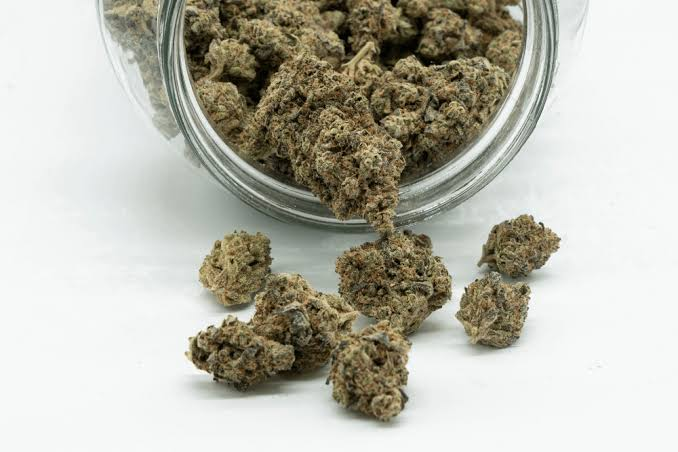
Whole flower, purchased from a licensed retailer and stored in an airtight container, retains more of its terpene content than most other formats simply because the intact bud structure protects the trichomes where those compounds are housed. Less surface area is exposed to air, and less handling means less physical trichome damage.
Milled flower — pre-ground before packaging — trades some of that protection for convenience. More surface area is exposed to air from the moment the package is opened, which means terpene loss happens faster. For consumers who prioritize aroma and flavour, whole flower and fresh packaged-on dates are the two most reliable ways to get the most expressive experience from any strain.
For concentrates, the terpene picture is more varied. Live resin, made from fresh-frozen plant material, preserves more of the original terpene profile than concentrates made from dried and cured flower. Distillate, which is a highly refined extract, typically retains very few terpenes unless they’ve been reintroduced after processing. This is one reason why live resin vapes and concentrates are often described as more flavour-forward than distillate-based products at comparable THC levels.
Building a Terpene Vocabulary
The best way to develop an understanding of your own terpene preferences is the same way you’d develop preferences in wine, coffee, or food: by paying attention to what you actually enjoy and noting patterns over time.
A few practical starting points. When you open a new product, take a moment to smell it before grinding or consuming and try to identify the dominant notes — citrus, pine, earth, floral, spice. Check the tasting notes or terpene information on the label or product page if it’s available. After the session, note whether the character matched the aroma and whether the experience aligned with your preferences. Over a handful of sessions, patterns emerge.
If you find yourself consistently gravitating toward citrusy, bright flower, you’re likely a limonene-oriented consumer. If you prefer deep, earthy, and relaxing profiles, myrcene is probably a recurring presence in what you enjoy. If spicy, complex strains consistently appeal to you, caryophyllene may be what you’re responding to.
That developing vocabulary is genuinely useful at the shelf. When a team member at The Purple Leaf asks what kind of experience you’re looking for, being able to describe a terpene profile — earthy and relaxing, citrus and uplifting, floral and smooth — gets you to the right product faster and more reliably than pointing at the highest THC number.
Common Questions About Cannabis Terpenes
Do terpenes actually affect the high, or just the smell?
Both. Terpenes contribute to aroma and flavour, but they also interact with cannabinoids in ways that shape the overall character of the experience through the entourage effect. A myrcene-dominant strain doesn’t just smell earthy — many consumers find it produces a more body-forward, physically relaxing experience than a limonene-dominant strain at the same THC percentage.
Why do two products with the same strain name smell different?
Because terpene expression is influenced by genetics, growing environment, curing methods, and storage conditions, and all of those variables differ between producers. The same strain name grown by two different licensed producers with different cultivation practices can produce noticeably different aromatic profiles. The name on the label is a starting point. What you smell when you open the container is the actual information.
How do I know what terpenes are in a product?
Some licensed Canadian producers list dominant terpenes on their packaging or product pages. Where that information is available, it’s worth using. Where it isn’t, the strain classification and tasting notes are the next best guide. The team at The Purple Leaf can help you identify which products are carrying particularly expressive terpene profiles at any given time.
Do terpenes degrade over time?
Yes, significantly. Terpenes are volatile compounds that evaporate with exposure to heat, light, and air. A product that smelled vibrant when freshly packaged will lose much of that aromatic complexity over time, particularly if stored in warm or bright conditions. Checking packaged-on dates and storing flower in airtight glass containers away from heat and light are the two most effective ways to preserve terpene quality between purchase and session.
Is a higher terpene percentage always better?
Not necessarily. The interaction between terpenes matters as much as the total amount. A strain with a well-balanced combination of three complementary terpenes at moderate concentrations can be more interesting and enjoyable than a strain with a very high concentration of a single terpene. Quality and balance tend to be more relevant than raw quantity.
The Bottom Line
Terpenes are the reason two strains with the same THC percentage can smell completely different, feel completely different, and leave you with completely different experiences. They’re the aromatic fingerprint of each cultivar, the flavour architecture of every session, and one of the most practically useful pieces of information available when you’re choosing a cannabis product. Start paying attention to them — on the label, in the jar, and in how different profiles make you feel — and shopping for cannabis gets significantly more intentional and significantly more enjoyable. Visit The Purple Leaf to explore our flower selection and find strains with the terpene profiles that suit your preferences.
Shop related at The Purple Leaf: cannabis flower · terp sauce & diamonds