

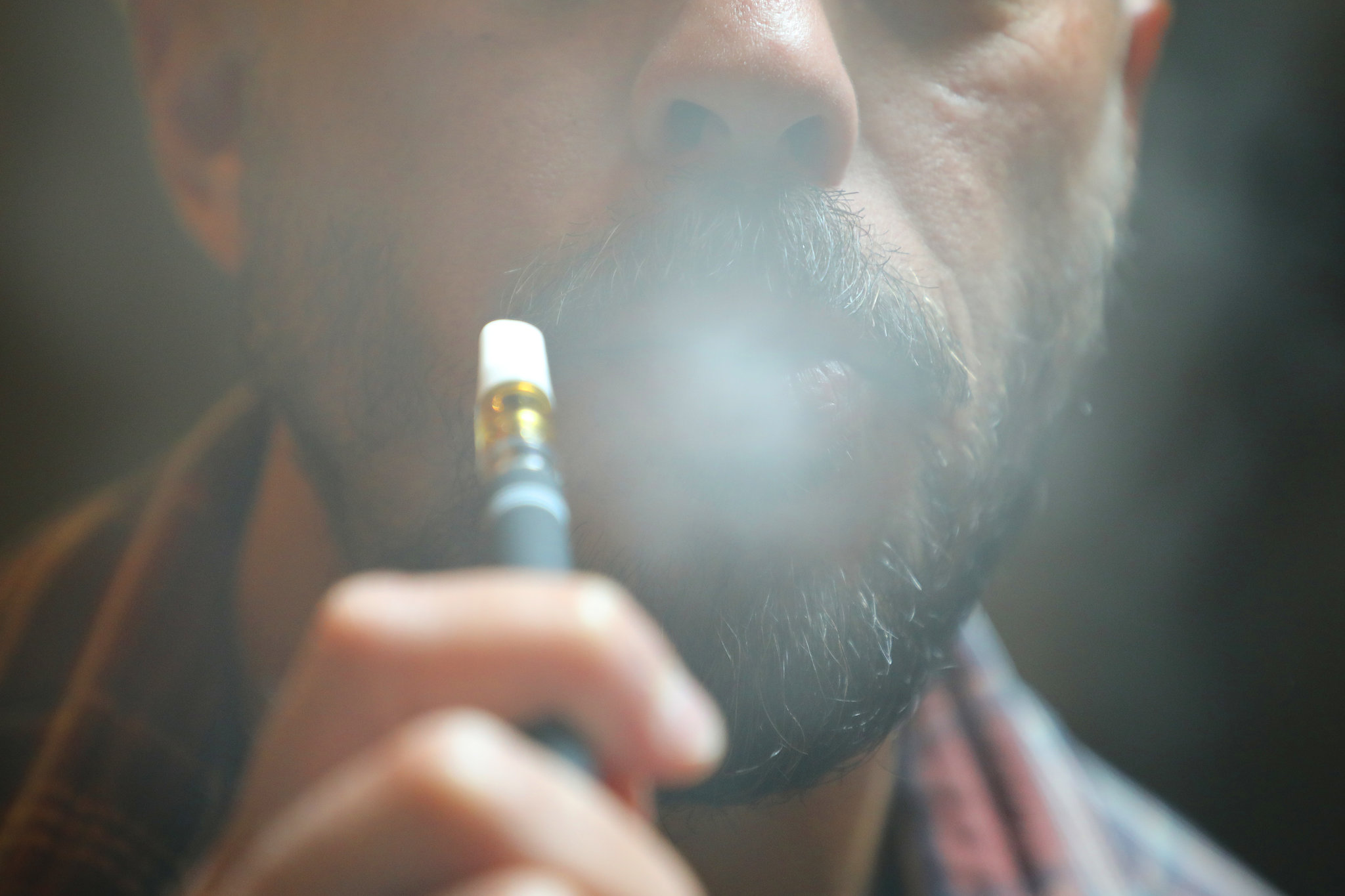
It’s one of the most searched cannabis health questions in Canada — and one where the honest answer is more nuanced than most people expect. The short version: vaping cannabis is generally considered to carry fewer acute respiratory risks than smoking it, but “healthier” depends significantly on what you’re vaping, how you’re vaping it, and what the comparison actually is.
Here’s the complete picture — what the evidence actually says, where the uncertainties remain, and how to make the most informed decision for your own consumption.
What’s the Difference Between Smoking and Vaping Cannabis?
Before comparing health profiles, it’s worth being clear on what each method actually involves.
Smoking cannabis involves combustion — burning the plant material at temperatures above 230°C (446°F). Combustion produces a complex mixture of compounds including the cannabinoids and terpenes you’re after, alongside a range of harmful byproducts — carbon monoxide, polycyclic aromatic hydrocarbons (PAHs), benzene, formaldehyde, and tar — that are direct consequences of the burning process and have no relationship to cannabis specifically. The same harmful compounds are produced whenever any organic material is burned, including tobacco.
Vaping cannabis heats the material — either dried flower in a dry herb vaporizer, or cannabis oil in a vape cartridge — to temperatures below combustion. The active compounds are released as vapour rather than smoke. Because no combustion occurs, many of the most harmful byproducts of smoking are absent or present at significantly reduced levels.
This fundamental difference — vapour versus smoke — is the foundation of the argument that vaping is a lower-risk consumption method. But the story doesn’t end there.
What the Research Says — The Strongest Evidence
Fewer combustion byproducts. This is the most consistently supported finding in the cannabis vaping literature. Multiple studies comparing the composition of cannabis smoke versus vapour produced by dry herb vaporizers have found significantly lower levels of known carcinogens and respiratory irritants in vapour. Carbon monoxide — a direct measure of combustion — is dramatically lower in vaporized cannabis than in smoked cannabis across all temperatures tested.
Reduced respiratory symptoms with vaping. Studies examining self-reported respiratory symptoms in cannabis users who switch from smoking to vaping consistently show reductions in coughing, wheezing, phlegm production, and chest tightness. A 2010 study published in the Harm Reduction Journal found that cannabis users who switched to vaporizing reported significant improvement in respiratory symptoms within one month of the switch.
Higher bioavailability from vaping. Cannabis vapour delivers cannabinoids to the bloodstream more efficiently than smoke — meaning less cannabis is needed to achieve equivalent effects. This lower consumption quantity reduces total exposure to whatever compounds remain in vapour, adding an indirect respiratory protection benefit.
Lower temperature exposure. The respiratory tract is subjected to significantly lower temperatures during vaping than smoking. Cannabis smoke at combustion temperatures exposes airways to intense heat that directly damages delicate respiratory tissue. Low-temperature vaping — between 160–200°C for dry herb — produces warm vapour that is far less thermally damaging.
Where the Evidence Is Less Clear
Long-term vaping studies are limited. The dry herb vaporizer as a consumer product has only been widely used for roughly 15 years — and systematic, longitudinal health research on long-term vaping populations is still emerging. The short-term respiratory benefits are well-supported. The long-term picture — particularly for regular, daily vaporizer users over decades — is less thoroughly documented simply due to the relative novelty of the technology.
Vaping temperature matters significantly. Not all vaping is equivalent. Dry herb vaporizers used at very high temperatures — above 220°C — begin to produce some combustion byproducts as the material starts to char. At these temperatures, the health advantage over smoking diminishes substantially. Low to medium temperature vaping (160–200°C) produces the cleanest vapour with the strongest health advantage over smoking. High temperature vaping approaches the risk profile of combustion more closely.
Oil cartridge vaping introduces different variables. Dry herb vaporizers heat whole cannabis flower — a relatively straightforward process. Oil vape cartridges heat cannabis oil that may contain carrier agents, thinning agents, terpenes, or other additives alongside the active cannabinoids. The safety of these additional components under repeated heating varies by product quality and source.
This is where the distinction between licensed and unlicensed products becomes critical. All vaping products at The Purple Leaf meet Health Canada’s safety and testing standards — including screening for harmful cutting agents. The EVALI outbreak in North America (2019) that damaged thousands of lungs was traced almost exclusively to vitamin E acetate used as a cutting agent in unlicensed vape cartridges — a compound that is not present in legal, licensed cannabis vape products.
Buying vape cartridges from licensed retailers is not just a legal recommendation — it is the single most important health decision a vape user can make. Browse our vapes and cartridges section for Health Canada compliant options.

Dry Herb Vaping vs Oil Cartridge Vaping — A Health Comparison
Within the vaping category, dry herb vaporizers and oil cartridges are meaningfully different from a health consideration standpoint.
Dry Herb Vaporizers
Dry herb vaporizers heat whole cannabis flower without combustion. The vapour produced contains the cannabinoids and terpenes from the flower alongside water vapour and small amounts of other plant compounds. No solvents, no carrier oils, no cutting agents — just the plant at controlled temperatures.
The health profile of a quality dry herb vaporizer used at low to medium temperatures is the most clearly differentiated from smoking of any cannabis consumption method. The research supporting respiratory benefits compared to smoking is most robust for this format.
Dry herb vaping does require more investment in equipment than cartridge vaping — a quality device with precise temperature control represents a meaningful upfront cost. Browse our vaporizer accessories alongside our full flower menu for dry herb vaping options.
Oil Vape Cartridges
Pre-filled 510-thread cartridges and disposable vape pens heat cannabis oil rather than flower. The oil is typically a cannabis distillate, live resin, or CO2 extract in a carrier base.
From a licensed retailer, these products are safe and tested — the oil composition is regulated, the hardware is authentic, and the cannabinoid content is accurately labelled. The vapour produced is generally considered less harsh on the respiratory system than cannabis smoke.
The primary health variable in oil cartridge vaping — beyond buying from a licensed retailer — is the hardware itself. Quality ceramic coil cartridges heat oil more evenly and at lower temperatures than cheaper metal coil alternatives, producing cleaner vapour with less thermal degradation of the oil compounds.
Browse our vapes and cartridges section at The Purple Leaf for authenticated, lab-tested options.
The Honest Caveats — What “Healthier” Doesn’t Mean
Vaping is not risk-free. Vaping cannabis — even at low temperatures with high-quality equipment and licensed oil — is not equivalent to not consuming cannabis. It eliminates the combustion byproducts of smoking but it still involves inhaling cannabis-derived compounds into the lungs repeatedly. The baseline respiratory impact of regular vaping, while significantly lower than smoking, is not zero.
Vaping does not eliminate cannabis health risks. The psychoactive effects of THC, the potential for dependence, the impact on developing brains in younger users, the impairment of driving ability — none of these are affected by the choice between smoking and vaping. The health advantages of vaping are specifically respiratory and combustion-related.
Frequency matters alongside method. A daily heavy vaper and a weekly moderate smoker are not directly comparable by method alone. Frequency, quantity per session, temperature, and product quality all contribute to the overall health profile of cannabis consumption in ways that the smoking-versus-vaping comparison alone doesn’t capture.
Other Consumption Methods — Where They Fit in the Health Comparison
For users motivated by health considerations to move away from smoking, it’s worth briefly noting where other consumption formats fit.
Edibles and capsules involve no inhalation whatsoever — they are the consumption method with the lowest direct respiratory impact. Browse our edibles menu and capsules for options with zero respiratory exposure.
CBD topicals — applied directly to the skin — also involve no inhalation. Browse our body care and topicals for available options.
Tinctures and CBD oils administered sublingually involve no inhalation. Browse our CBD products for available options.
For users whose primary motivation is minimising respiratory exposure entirely, edibles, capsules, tinctures, and topicals represent the logical conclusion of the health-motivated consumption format conversation — zero inhalation, zero combustion byproducts, zero thermal airway exposure.
Practical Recommendations for Health-Conscious Cannabis Users
If you currently smoke cannabis and want to reduce respiratory risk: Switching to a quality dry herb vaporizer used at low to medium temperatures (160–200°C) is the most evidence-supported step you can take while maintaining an inhalation-based consumption method.
If you currently use oil vape cartridges: Always buy from a licensed retailer. The distinction between licensed and unlicensed vape products is the most significant health variable in oil cartridge vaping — more significant than brand, price, or format within the licensed market.
If you want to eliminate inhalation entirely: Edibles, capsules, tinctures, and topicals provide the full range of cannabis effects and wellness applications without any respiratory exposure. Browse our complete menu at The Purple Leaf for inhalation-free options.
Start low regardless of method. The health-optimised approach to any cannabis consumption format includes using the minimum effective dose rather than the maximum available potency. Lower quantities consumed less frequently represent a lower total exposure regardless of the method.
Frequently Asked Questions
Is vaping weed healthier than smoking it? The evidence consistently supports vaping cannabis as a lower-risk respiratory alternative to smoking — particularly dry herb vaping at low to medium temperatures, which eliminates combustion byproducts. However, vaping is not risk-free and does not eliminate cannabis health considerations unrelated to the respiratory system.
What are the main health differences between vaping and smoking cannabis? Smoking produces combustion byproducts — carbon monoxide, tar, PAHs, benzene — that vaping largely eliminates. Vapers of cannabis flower consistently report fewer respiratory symptoms than smokers. The long-term vaping health picture is less thoroughly documented than smoking due to the relative novelty of vaporizer technology.
Is dry herb vaping or oil cartridge vaping healthier? Dry herb vaping has the most research support and the simplest vapour composition — whole flower at controlled temperatures with no additional compounds. Oil cartridge vaping from licensed retailers is also safe but involves additional variables from oil composition and hardware. Both are significantly preferable to smoking from a respiratory standpoint.
Are licensed vape cartridges safe? Yes. All vaping products at The Purple Leaf meet Health Canada’s testing requirements — including screening for harmful cutting agents like vitamin E acetate that caused the EVALI outbreak. Always buy from a licensed retailer. Browse our vapes section.
What is the healthiest way to consume cannabis? Edibles, capsules, tinctures, and topicals involve no inhalation and represent the lowest respiratory impact cannabis consumption methods. Browse our edibles, capsules, and CBD products at The Purple Leaf for inhalation-free options.
Where can I buy vape products and edibles in Canada? The Purple Leaf carries a full range of licensed vaping products, dry herb accessories, edibles, capsules, and CBD products available for local London, Ontario delivery and Canada Post shipping Canada-wide. Order at thepurple-leaf.com or call 519-777-9498 Monday to Friday, 9 AM to 8 PM EST.
Shop Vaping Products and Edibles at The Purple Leaf
Whether you’re switching from smoking to vaping or exploring inhalation-free alternatives entirely, The Purple Leaf has the options to support a more informed cannabis consumption approach.
Browse our vapes and cartridges, edibles, capsules, and CBD products at thepurple-leaf.com, or call us at 519-777-9498 Monday to Friday, 9 AM to 8 PM EST.
New customer? Subscribe to our newsletter and use code PRIMETIME for 10% off your first order.
The Purple Leaf — London, Ontario’s trusted cannabis dispensary. Licensed, tested, knowledgeable. Local delivery available. Ships across Canada.
Shop related at The Purple Leaf: vaporizers
Buy weed online in Canada · Same-day weed delivery in London, Ontario on weekday orders placed before noon (12:00 PM EST).