

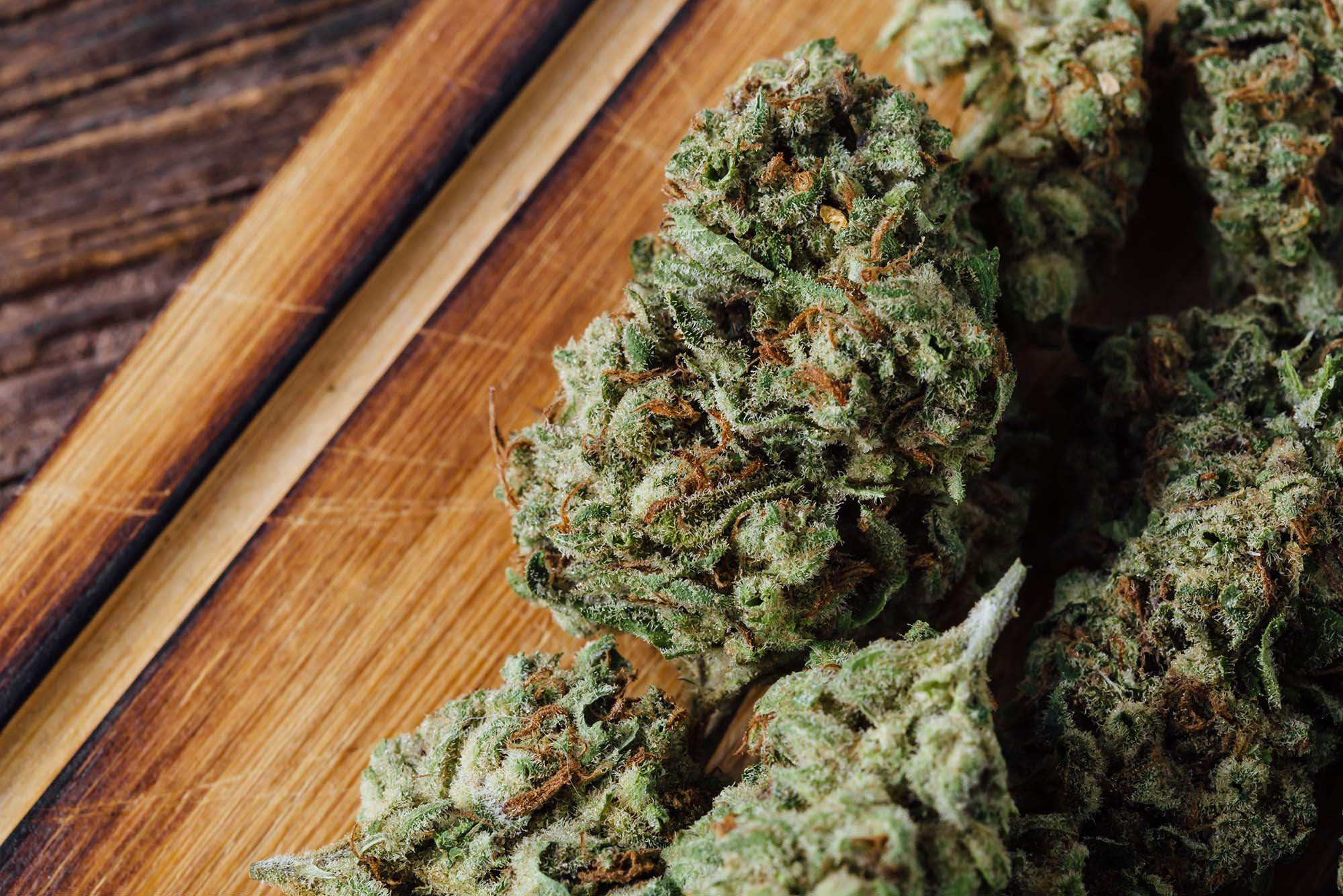
Sleep is one of the most common reasons Canadians turn to cannabis — and one of the areas where the evidence for its effectiveness has grown most meaningfully over the past several years. As of 2026, an estimated one in three Canadians reports experiencing some form of sleep difficulty, from chronic insomnia to stress-related sleep disruption to the pain-mediated wakefulness that accompanies many physical health conditions.
Cannabis is not a perfect sleep solution. Like any intervention, it works better for some people than others, the wrong product can make sleep worse rather than better, and there are important long-term considerations that anyone using cannabis for sleep should understand. But used correctly — the right product, the right dose, at the right time — cannabis can meaningfully improve sleep quality for a significant subset of people who haven’t found adequate relief elsewhere.
This guide covers the current understanding of how cannabis affects sleep, which products work best, how to use them effectively, and what the 2026 evidence actually says.
How Cannabis Affects Sleep — The Basic Science
Cannabis interacts with the body’s endocannabinoid system — a network of receptors throughout the brain, nervous system, and immune system that regulates a wide range of physiological processes, including sleep-wake cycles.
THC acts on CB1 receptors in the brain’s sleep-regulating regions, reducing the time it takes to fall asleep and increasing slow-wave sleep — the deep, restorative phase associated with physical recovery. However, THC also suppresses REM sleep — the dream phase associated with emotional processing and memory consolidation. This suppression is one of the most consistently observed effects of THC on sleep architecture and has implications for how and how often cannabis is appropriate as a sleep aid.
CBD interacts differently — it appears to support sleep primarily through its anxiolytic effects rather than direct sedation. By reducing the anxiety and physiological arousal that prevents sleep onset for many insomnia sufferers, CBD can improve sleep quality without the REM suppression associated with THC. CBD also interacts with the body’s adenosine system — the same mechanism through which caffeine disrupts sleep, but in the opposite direction.
Terpenes play a meaningful supporting role in cannabis’s sleep effects. Myrcene — the most abundant terpene in most indica-dominant strains — has documented sedating properties. Linalool — the same floral compound found in lavender — is associated with anxiety reduction and sleep promotion. Caryophyllene contributes anti-inflammatory and stress-relieving properties that are indirectly sleep-supportive. The specific terpene profile of a strain or product shapes how effectively it addresses sleep alongside its cannabinoid content.

What the 2026 Evidence Actually Says
Cannabis sleep research has expanded considerably in recent years. The picture is more nuanced than early studies suggested — and more promising than cannabis sceptics often acknowledge.
For sleep onset difficulty — the inability to fall asleep — THC is consistently effective. Multiple studies demonstrate that THC reduces sleep latency — the time between lying down and falling asleep — across a range of populations and doses. This is one of the most well-supported applications of cannabis for sleep.
For sleep maintenance — staying asleep through the night — evidence is more mixed. Indica-dominant products with high myrcene content appear to support deeper, less interrupted sleep for many users. However, sleep architecture changes under THC mean that the quality of the sleep, not just the duration, matters in the assessment.
For REM sleep suppression — this is the most important nuance in the cannabis sleep literature as of 2026. Regular THC consumption before bed consistently reduces time spent in REM sleep. In the short term, this may not be problematic — and for some users who experience vivid nightmares (including those with PTSD), REM suppression is actually therapeutically desirable. For regular long-term users, accumulated REM debt can contribute to cognitive difficulties and emotional regulation challenges. This is why tolerance breaks and low-dose strategies are important for anyone using cannabis as a sleep aid consistently.
For anxiety-related sleep disruption — CBD has the most compelling evidence here. Studies consistently demonstrate CBD’s effectiveness for anxiety reduction, and anxiety-mediated insomnia is one of the most responsive applications for cannabidiol.
For pain-related sleep disruption — both THC and CBD contribute to the pain management that allows sleep-disrupted pain patients to achieve more restorative rest. This is one of the areas with the strongest overall evidence base for cannabis’s sleep utility.
The Best Cannabis Products for Sleep in 2026
Indica and Indica-Dominant Hybrid Flower
The foundational sleep cannabis product — and still one of the most effective when the right strain is chosen. Indica-dominant strains with high myrcene and linalool terpene content consistently outperform other cannabis flower types for sleep support.
The strains with the strongest sleep reputation in the legal Canadian market include Granddaddy Purple, Bubba Kush, Purple Kush, Afghan Kush, and Northern Lights — all covered in detail in our indica strains guide. These genetics produce the characteristic physical heaviness and mental quieting that transitions most naturally into sleep.
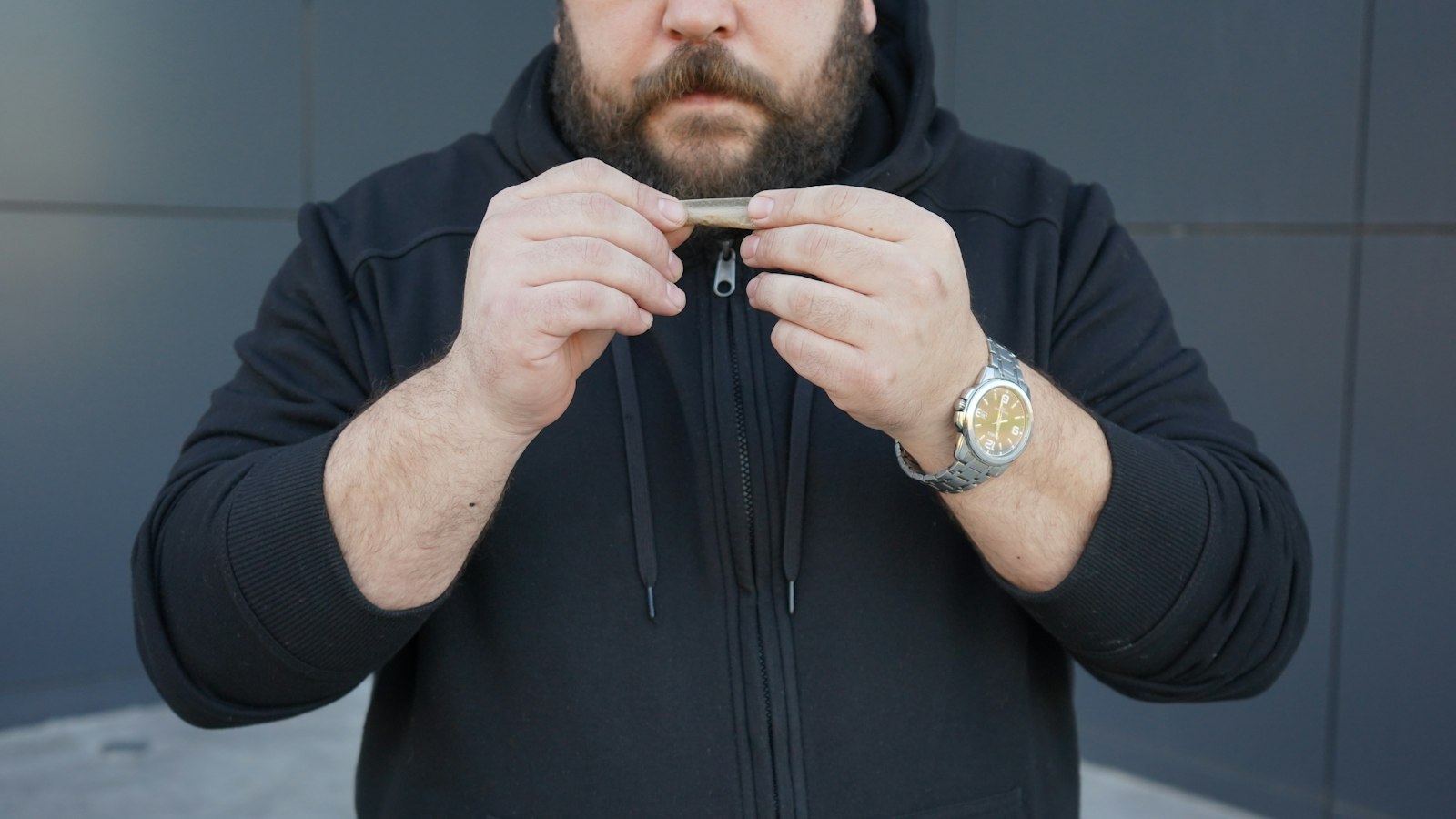
For flower specifically, smoking or vaping 30–60 minutes before intended sleep allows the effects to peak as you’re settling into bed. Browse our full indica flower selection at The Purple Leaf for currently available sleep-appropriate options.
Low-Dose THC Edibles and Capsules
For users who want the longest possible duration of sleep support — effects that carry through the full night rather than wearing off after two to three hours — edibles and capsules are the most appropriate format.
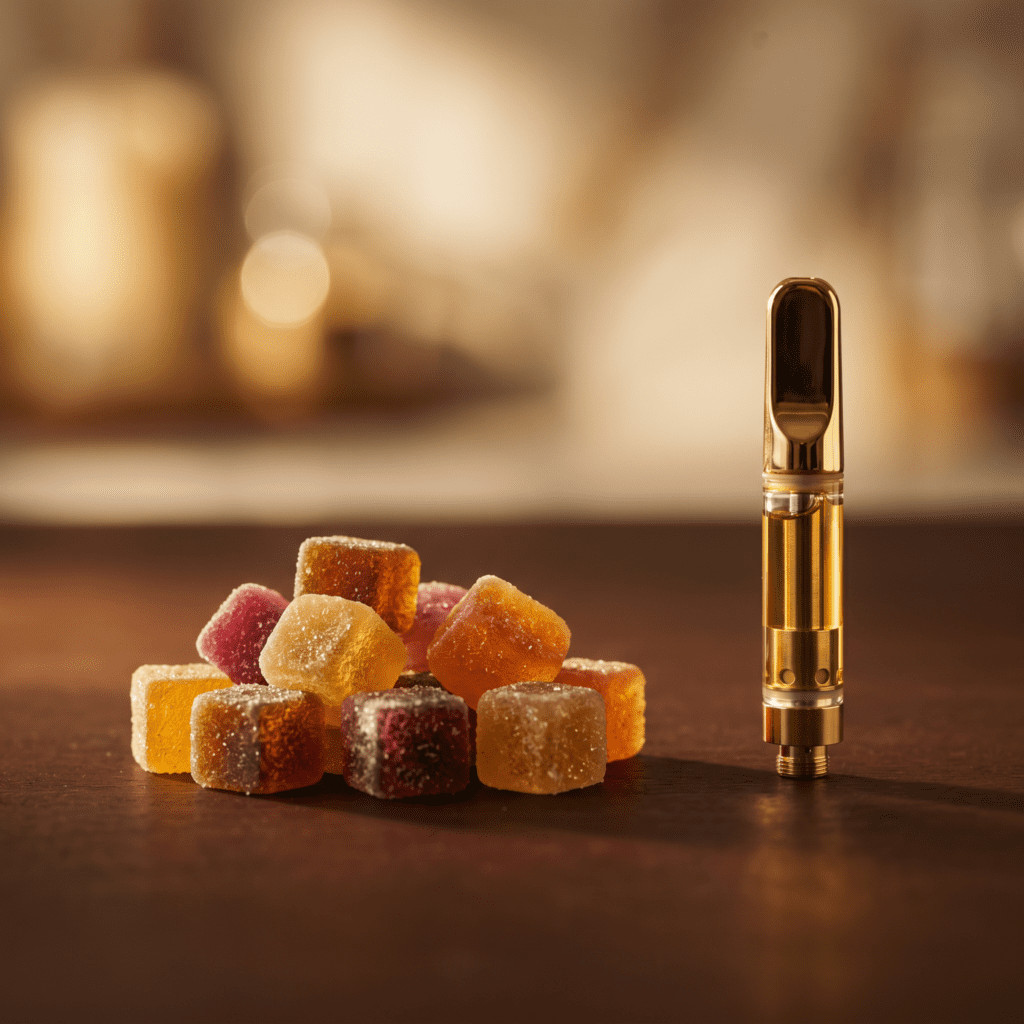
The 4–8 hour duration of cannabis edibles at moderate doses covers the majority of a full sleep cycle from onset to morning. A low-dose indica or balanced THC/CBD edible consumed 60–90 minutes before bed — giving time for the onset to align with sleep — is one of the most effective cannabis sleep strategies available.
The dose for sleep specifically should be conservative — 2.5–10 mg THC depending on your personal tolerance. Higher doses can paradoxically disrupt sleep architecture and produce an overly intense experience that interferes with natural sleep rather than supporting it.
Browse our edibles menu — including gummies and candy and capsules — at The Purple Leaf for available low-dose sleep options.
CBD Oil for Anxiety-Related Sleep Disruption
For users whose sleep difficulty is primarily anxiety-driven — racing thoughts at bedtime, inability to switch off from the stresses of the day, hypervigilance that keeps the nervous system activated when it should be settling — CBD oil is often the most targeted and effective single product.
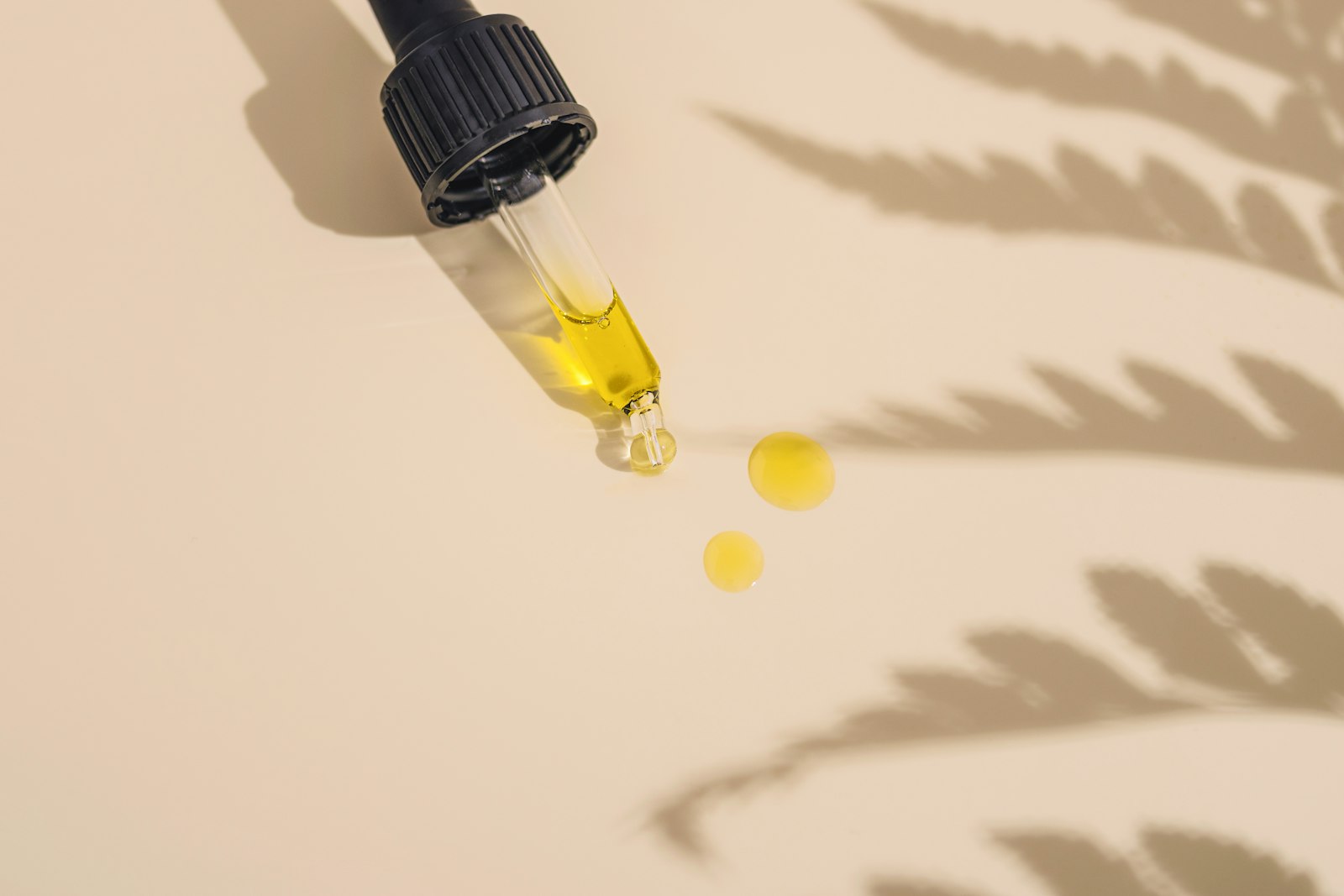
CBD oil administered sublingually — drops held under the tongue for 60–90 seconds before bed — reaches the bloodstream faster than a capsule and begins its anxiolytic effect within 15–45 minutes. The absence of psychoactive effect means it can be taken without concern about morning grogginess from residual THC impairment.
For users who are not ready for any psychoactive cannabis experience or who need to be fully functional the following morning, CBD oil is the most appropriate sleep support product available in the legal Canadian cannabis market. Browse our CBD products at The Purple Leaf for available CBD oil options.
Balanced THC/CBD Edibles
A 1:1 or 2:1 THC/CBD balanced edible combines the sleep-onset benefit of THC with the anxiety-reducing and REM-moderating effects of CBD — producing a more rounded, less architecturally disruptive sleep experience than pure THC products.
Many regular cannabis sleep users find that balanced products at moderate doses produce better overall sleep quality than high-THC products — the CBD appears to moderate the most disruptive THC effects on sleep architecture while preserving the sleep-onset and duration benefits. This is particularly relevant for users who report waking feeling unrested or cognitively cloudy after high-THC sleep sessions.
CBD Topicals for Physical Discomfort at Night
For users whose sleep disruption is rooted in physical pain or discomfort — arthritis, muscle tension, restless legs, chronic pain conditions — CBD topicals applied before bed provide localised relief that can meaningfully reduce the physical sensations that interrupt sleep without any systemic psychoactive effect.
Browse our body care and topicals section including balms and salves at The Purple Leaf for available CBD topical options.

A Practical Sleep Protocol — How to Use Cannabis for Sleep Effectively
The following framework reflects the most practical, evidence-informed approach to cannabis as a sleep aid. Adjust based on your personal response.
Timing matters more than most users realise.
For inhaled cannabis (flower or vapes): consume 30–60 minutes before your intended sleep time. Effects peak within this window and the duration covers the initial hours of sleep.
For edibles and capsules: consume 60–90 minutes before intended sleep. The slower onset aligns the peak effect with your sleep window rather than arriving before you’re ready.
For CBD oil sublingually: take 30–45 minutes before bed. Faster onset than edibles, non-psychoactive, appropriate if you need to be unimpaired.
Start lower than you think necessary.
The most common cannabis sleep mistake is consuming too much, producing an experience that is too intense for natural sleep. A 5 mg THC edible is a more appropriate starting point than a 25 mg one — even for experienced users specifically targeting sleep, where the goal is gentle support rather than intensity.
Choose indica or indica-dominant products.
Strain classification matters for sleep. Sativa-dominant products are stimulating and cerebral — the opposite of what the brain needs to transition to sleep. Indica-dominant genetics with myrcene and linalool-forward terpene profiles are specifically suited to sleep support.
Take tolerance breaks.
Consistent nightly cannabis use builds tolerance — meaning the same dose produces diminishing sleep benefits over time, encouraging dose increases that in turn disrupt sleep architecture more significantly. Two nights off per week is the minimum recommended tolerance break for regular cannabis sleep users. A longer break — one to two weeks every few months — more fully resets sensitivity.
Don’t replace sleep hygiene — add to it.
Cannabis is most effective as a sleep aid when combined with good sleep hygiene practices rather than used as a substitute for them. Consistent sleep and wake times, a cool, dark sleeping environment, limiting screen time before bed, and avoiding caffeine in the afternoon all improve sleep quality — and cannabis works better on top of a good sleep hygiene foundation than in spite of a poor one.
Important Considerations for Regular Cannabis Sleep Users
REM sleep suppression with regular THC use. As noted above, nightly THC use consistently reduces REM sleep time. For occasional use this is unlikely to produce meaningful problems. For regular nightly users, the accumulated REM deficit can contribute to increased dreaming intensity during tolerance breaks (vivid dreams are the most commonly reported cannabis withdrawal symptom and reflect the brain rebalancing REM sleep), some cognitive dulling, and emotional processing difficulties. Managing this risk through lower doses and regular tolerance breaks is the most practical strategy.
Dependency risk. A meaningful subset of regular cannabis sleep users develop psychological dependence on cannabis for sleep — finding it difficult or impossible to sleep without it. This risk is real and should be acknowledged honestly. Using cannabis for sleep three to four nights per week rather than nightly, incorporating CBD-only products on some nights, and working on independent sleep skills reduces this risk.
Cannabis is not appropriate for every sleep disorder. Sleep apnoea — a structural breathing disorder — is not meaningfully addressed by cannabis and may be worsened by the muscle relaxation effects of THC. Complex sleep disorders warrant assessment by a healthcare provider regardless of cannabis use. Cannabis is most effective for insomnia rooted in anxiety, chronic pain, and stress rather than structural or neurological sleep disorders.
Frequently Asked Questions
How does cannabis help with sleep? Cannabis supports sleep through several mechanisms — THC reduces sleep onset time and increases slow-wave deep sleep, CBD reduces the anxiety that prevents sleep onset, and sedating terpenes like myrcene and linalool directly support physical and mental relaxation. The most effective sleep cannabis products combine indica-dominant genetics with high myrcene and linalool terpene profiles.
Is indica or sativa better for sleep? Indica and indica-dominant hybrid strains are significantly better for sleep than sativa-dominant options. Sativa strains produce cerebral, energising effects that are counterproductive for sleep onset and maintenance.
What cannabis product is best for staying asleep all night? Low-dose indica edibles or capsules — consumed 60–90 minutes before bed — provide the longest duration of effect (4–8 hours) and are the most appropriate format for users who fall asleep adequately but wake during the night.
Does CBD help with sleep? CBD supports sleep primarily through anxiety reduction rather than direct sedation. For users whose sleep difficulty is anxiety-driven, CBD is one of the most effective targeted options available — without psychoactive effect or REM suppression.
Can you become dependent on cannabis for sleep? Yes. Psychological dependence on cannabis for sleep develops in a meaningful subset of regular users. Managing this risk through lower doses, tolerance breaks, and avoiding nightly use is the most practical preventive strategy.
Where can I buy cannabis sleep products in Ontario? The Purple Leaf carries indica flower, low-dose edibles, CBD oils, capsules, and topicals suited to sleep support — available for local London, Ontario delivery and Canada Post shipping Canada-wide. Browse at thepurple-leaf.com or call 519-777-9498 Monday to Friday, 9 AM to 8 PM EST.
Shop Cannabis Sleep Products at The Purple Leaf
Whether you’re managing chronic insomnia, stress-related sleep disruption, or pain-mediated wakefulness, The Purple Leaf has the right products to support better sleep.
Browse our indica flower, edibles, CBD products, capsules, and topicals at thepurple-leaf.com, or call us at 519-777-9498 Monday to Friday, 9 AM to 8 PM EST.
New customer? Subscribe to our newsletter and use code PRIMETIME for 10% off your first order.
The Purple Leaf — London, Ontario’s trusted cannabis dispensary. Licensed, tested, knowledgeable. Local delivery available. Ships across Canada.
Please note: This article is general information, not medical advice. Cannabis affects everyone differently. Talk to a doctor or pharmacist before using cannabis for any health reason, especially if you take medication. You must be 19 or older to buy cannabis in Ontario.
Buy weed online in Canada · Same-day weed delivery in London, Ontario on weekday orders placed before noon (12:00 PM EST).