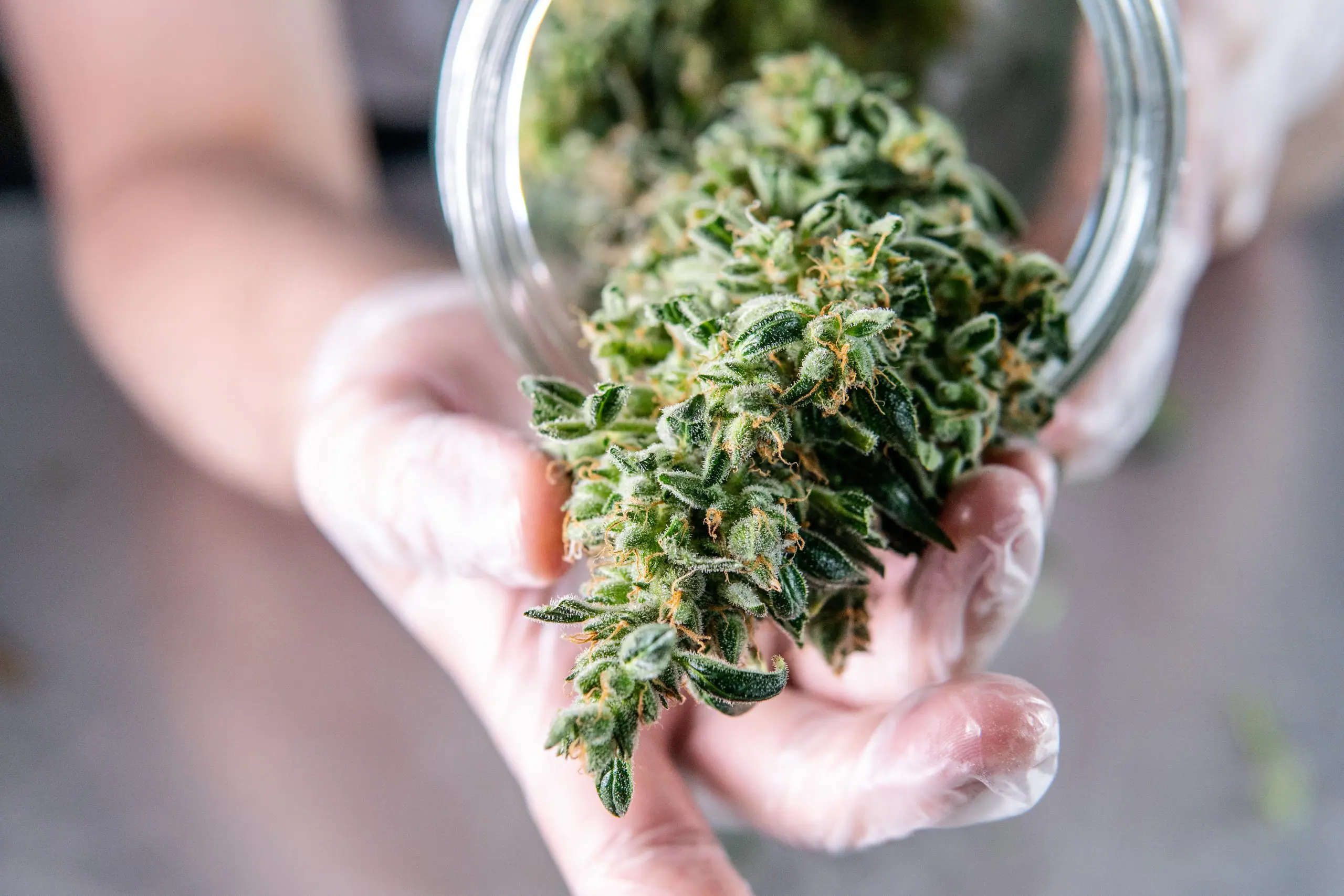

Cannabis cough is a chemistry problem, not a mystery. Your airway is reacting to heat and irritants the same way it’s designed to react to any airborne threat, and understanding exactly what’s triggering it is the most direct path to doing something about it. Here’s the full breakdown: why it happens, what makes certain sessions worse, and what actually works when you want a smoother experience.
The Science Behind the Cough
Your airway is lined with sensory nerves, and two receptor types do most of the work when you inhale cannabis smoke.
TRPA1 is your chemical irritant receptor. Its primary trigger in cannabis smoke is acrolein, a reactive compound produced by combustion that’s the dominant cough-causing irritant in smoke. TRPA1 also responds to reactive oxygen species and other combustion byproducts — it’s essentially a broad sensor for anything your airway decides it doesn’t want.
TRPV1 is your heat receptor. It’s the same one that responds to capsaicin in hot peppers, and it activates at temperatures above approximately 43°C. Cannabis smoke at the mouth end of a joint reaches around 200°C. Every inhalation clears that threshold by a significant margin.
Both receptors fire simultaneously on every hot, smoky hit. The combined signal travels to the brainstem, which triggers the cough reflex. This is standard airway clearance physiology — your body doing exactly what it’s designed to do.
It’s also worth knowing that cannabis combustion generates a significant number of distinct toxic compounds, many of which are shared with tobacco smoke. The headline irritants include acrolein, ammonia, hydrogen cyanide, formaldehyde, reactive oxygen species, fine particulates, and tar. Every cough is your airway reacting to that list in real time.
What Makes Some Hits Worse Than Others
Not all cannabis consumption triggers the same cough, and the variables driving severity are worth understanding clearly.
Form Factor: The Most Important Variable
This is the biggest lever available to you, and it’s rarely framed that way. Combustion happens at around 315°C and produces smoke, acrolein, and tar — the full suite of chemistry that fires both TRPA1 and TRPV1 at once. Vaporization at lower temperatures produces vapour that bypasses most of those irritant compounds.
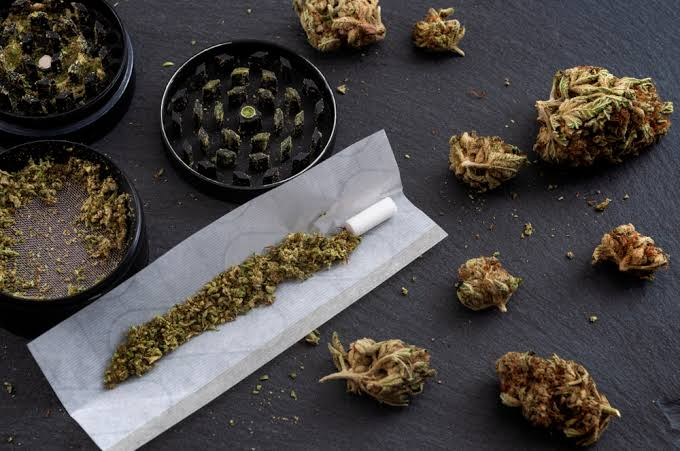
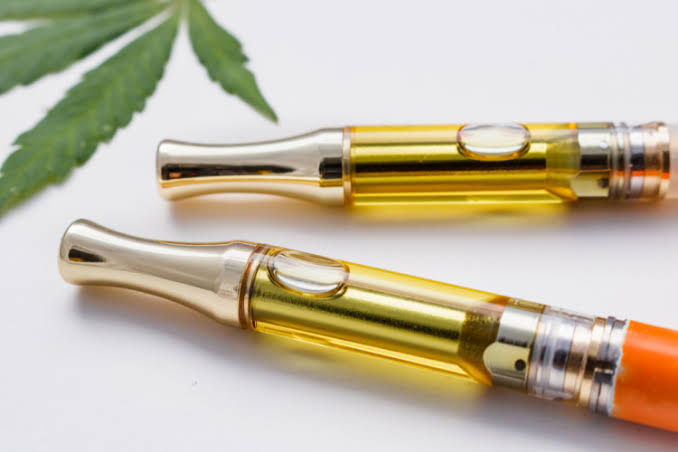
The general progression from highest to lowest cough load runs: joints and blunts, pipes, bongs, dabs, vape pens, dry herb vaporizers, and edibles. Form factor explains most of that range. Switching formats is the single most effective change you can make, because you’re changing the underlying mechanism that causes the cough — not just managing the symptoms.
The Purple Leaf carries vapes and pre-rolls across a range of formats so you can find the option that works best for your routine.
Hit Size and Temperature: Secondary Factors
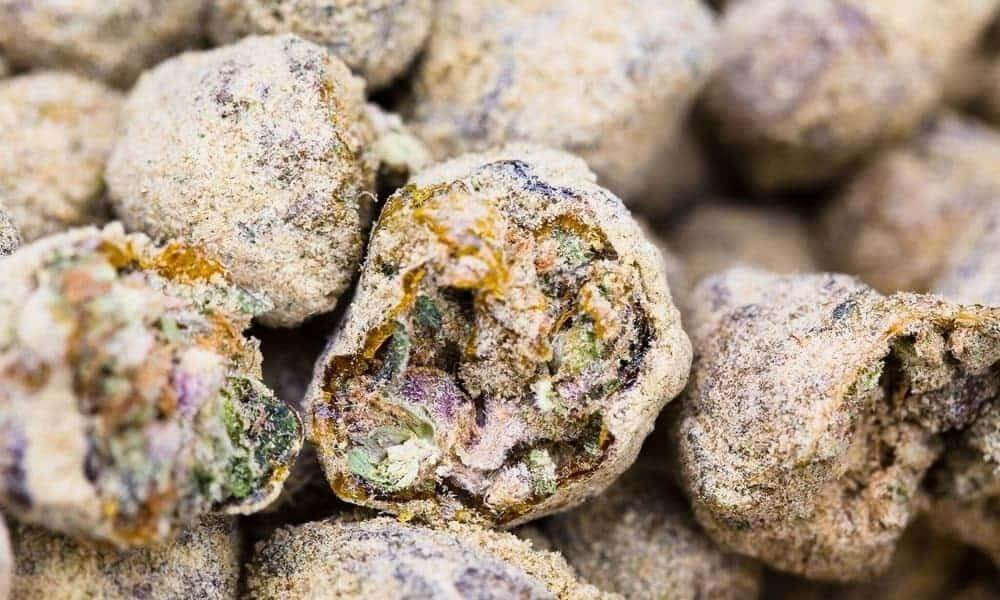
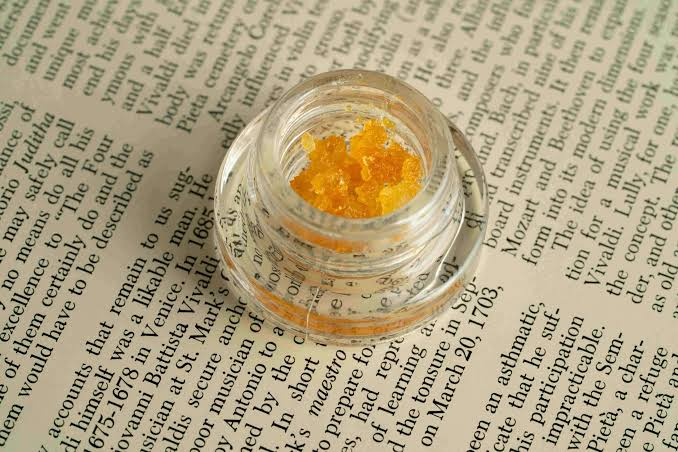
Concentrates and dabs deliver more THC per inhalation and generate higher peak heat than flower. Both increase the probability of coughing above what form factor alone would predict. If you’re finding dabs particularly harsh, lower-temperature dabbing and a proper cool-down period before applying your concentrate make a meaningful difference.
Larger inhalations also carry more particulates per breath and activate the cough reflex more forcefully. Most THC transfer happens within the first few seconds of inhalation anyway, so smaller, controlled hits are the correct call — not deeper ones.
Terpenes and Potency: Minor Variables
Some terpenes interact with cough receptors at elevated concentrations. The effect is real but small relative to form factor and temperature. Potency matters mainly because more potent products are often consumed via dabs and concentrates, which run hotter — the THC percentage itself isn’t the direct cause of coughing.
Sativa vs. Indica: Not a Useful Lever Here
Irritant chemistry barely varies across cultivars. If you’re trying to cough less, strain type is not a meaningful variable. The question isn’t which strain you’re smoking — it’s how you’re consuming it.

How to Cough Less: What Actually Works
Strongest Impact: Change Your Format or Temperature
Switching from combustion to a vaporizer running at lower temperatures removes the acrolein and tar that fire your TRPA1 receptors. This is the single most effective change available. You’re not managing the cough — you’re eliminating the primary cause of it.
If you want to skip airway exposure entirely, cannabis edibles remove the inhalation step altogether. No smoke, no vapour, no cough reflex to trigger.
Staying well-hydrated thins airway mucus and reduces irritation sensitivity. Keeping your device clean removes residue and stale-smoke buildup that adds to the irritant load on each hit.
Moderate Impact: Filtration and Draw Technique
Water and ice in a bong cool the smoke and partially filter particulates. That’s genuinely useful, though it doesn’t change the underlying combustion chemistry — you’re still inhaling acrolein, just at a slightly lower temperature. Useful, but not a full solution.
Dry or cold conditions make the cough reflex worse. Airway mucus is less effective at clearing particulates in dry winter air, which is why many people find sessions harsher in winter months.
Weaker Impact: Common Fixes That Don’t Fully Deliver
Holding smoke in longer adds irritant contact time without meaningfully increasing THC absorption. It’s counterproductive on both counts. Strain choice between sativa and indica makes negligible difference on cough response. Throat lozenges and fresh air after a session address the immediate irritation, not the underlying reflex.
What Recovery Looks Like
When you stop smoking or switch to a lower-irritant format, cough and congestion typically ease up within a few weeks. Regular, habitual use can build a more persistent cough pattern over time — stopping or switching formats is the most effective way to break it. For heavier, long-term use, the recovery window may be somewhat longer, but the timeline is usually quicker than most people expect.
When a Cannabis Cough Warrants Medical Attention
Most cannabis cough is a straightforward reflex triggered by smoke and heat, and it clears up quickly. Some symptoms are worth taking more seriously.
A productive cough with phlegm persisting for three months or longer, blood in phlegm or sputum, chest tightness on inhalation, wheezing or shortness of breath at rest, or a cough that continues for several weeks after stopping use are all symptoms worth discussing with a doctor. A cough that clears in minutes is your airway doing its job. One that won’t clear for weeks is a different conversation.
It’s also worth knowing that improperly stored cannabis can develop mould. All products sold through licensed Canadian retailers like The Purple Leaf have been tested and verified under Health Canada’s regulatory framework, so sourcing from a licensed store is a straightforward way to keep that risk low.
Frequently Asked Questions
Why do I start coughing immediately after smoking?
Coughing is your airway’s protective reflex working as designed. The heat and combustion byproducts in cannabis smoke activate sensory receptors in your airway lining, and the resulting signal triggers the cough reflex in the brainstem. It’s not a sign that something is wrong with the product — it’s your body clearing a perceived threat.
Does coughing more mean you’re getting higher?
No. This is one of the most persistent myths in cannabis culture and it isn’t supported by evidence. Coughing is a mechanical response to irritation. It doesn’t increase THC absorption or amplify the effects in any meaningful way.
Does taking deeper hits absorb more THC?
Not significantly. Most THC transfer from inhaled cannabis happens within the first few seconds of inhalation. Large, deep hits carry more particulates per breath and are more likely to trigger coughing without a proportional increase in the effects you’re after. Smaller, controlled hits are more efficient and easier on your airways.
What’s the fastest way to reduce cannabis cough?
Switching from combustion to a vaporizer removes the primary chemical triggers for the reflex. Switching to edibles eliminates airway exposure entirely. Both are faster and more effective than any technique applied while continuing to smoke. The Purple Leaf carries a range of vape and edible options if you want to explore either format.
How long does it take for a smoker’s cough to clear up?
For most people, cough and congestion ease noticeably within a few weeks of stopping or switching formats. For heavier, habitual use, the window may extend somewhat longer, but recovery typically happens faster than most people expect.
Will choosing a different strain help?
Probably not in any meaningful way. Irritant chemistry in cannabis smoke doesn’t vary significantly across indica, sativa, or hybrid cultivars. The consumption method matters far more than the strain when it comes to cough response.
The Bottom Line
Cannabis cough is your airway running its standard defense response to heat and combustion chemistry. The reflex itself is normal and purposeful — the question is how much you give it to react to. Switching to a lower-temperature format like a vaporizer removes most of the chemistry driving the reflex. Switching to edibles removes the need for inhalation entirely. Everything else — hydration, device cleanliness, smaller hits — helps at the margins but doesn’t change the underlying cause. Visit The Purple Leaf to explore our full range of vapes, edibles, and flower to find the format that works best for you.
This article is for informational purposes only and is not medical advice. If you’re experiencing persistent respiratory symptoms, please consult a licensed healthcare professional.