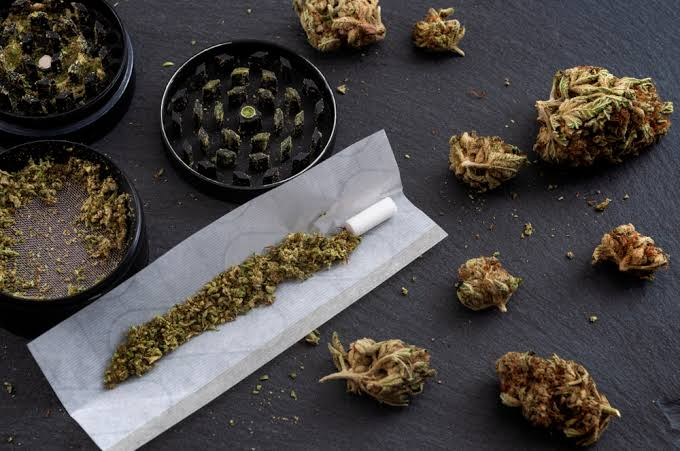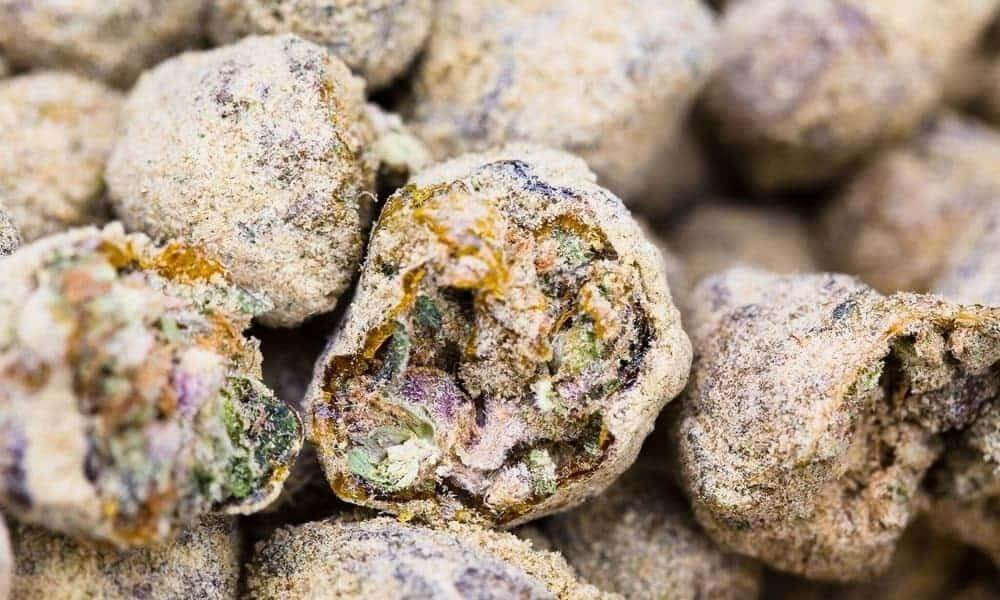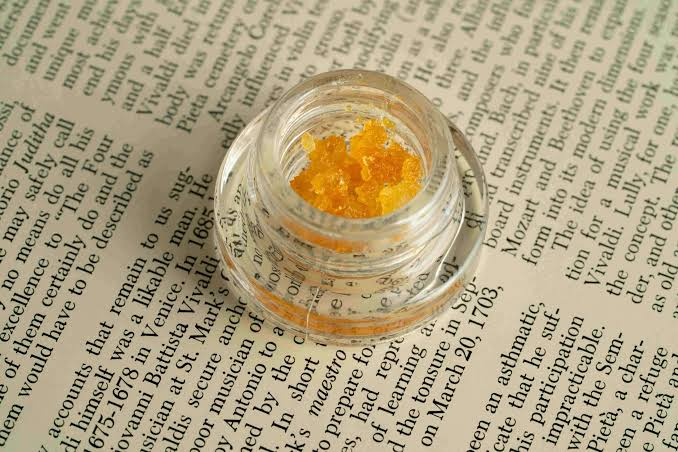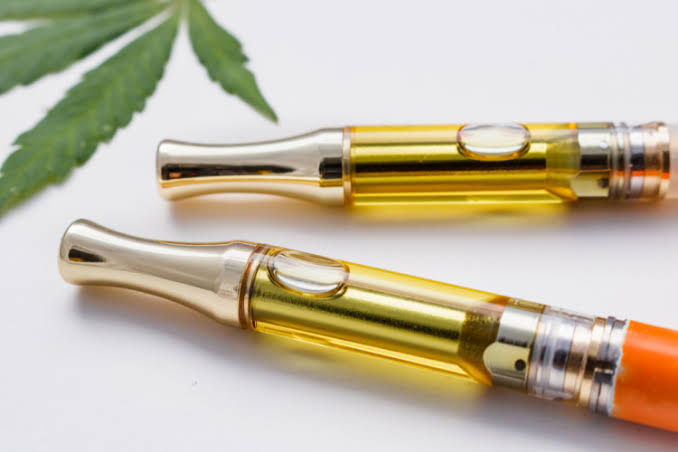
smoking too high

What To Do If You Are Too High: A 2026 Guide

There’s no instant off switch for a cannabis high. But there are real, practical things you can do to make the experience more comfortable while your body works through it. This guide covers why it happens, what greening out actually feels like, and the steps that genuinely help — along with a few things that sound useful but aren’t.

This article is for informational purposes only and is not medical advice. If you’re experiencing symptoms that feel serious or require immediate attention, please contact a healthcare professional.

Why Cannabis Makes You High in the First Place

Cannabis interacts with your body’s endocannabinoid system — a network of CB1 and CB2 receptors that respond to cannabinoids both from the plant and from your own body. When you smoke, vape, or eat a cannabis product, compounds like THC bind to those receptors and produce the effects you feel: relaxation, altered perception, changes in appetite, time distortion, and in some cases, anxiety or discomfort.

Several factors shape how intense that experience gets. Tolerance is usually the biggest one — regular cannabis consumers often have a higher threshold for the same amount that would overwhelm a first-time or occasional user. The product itself matters too, particularly the THC content and format. Edibles take longer to kick in and last significantly longer than inhaled cannabis, which is why they’re involved in most overconsumption situations. Other substances in your system, particularly alcohol, can amplify and intensify effects. And your physical state at the time — whether you’ve eaten, how hydrated you are, how much sleep you’ve had, and your general stress level — all play a role in how your body processes THC.

What Does “Too High” Actually Mean?

The concept is relative. Being too high simply means the psychoactive effects have become overwhelming or unenjoyable to the point where you want them to ease off. There’s a spectrum here — from feeling mildly over your comfortable threshold to what’s commonly called greening out, where the experience becomes genuinely distressing.

Common signs of greening out include dizziness or lightheadedness, nausea or an upset stomach, clamminess, a feeling of spinning, and heightened anxiety or paranoia. In more extreme cases, some people report a racing heart or a disconnected feeling from their surroundings. These effects are temporary and will pass. No one has experienced permanent harm from consuming too much cannabis. Knowing that — and genuinely believing it — is one of the more useful things you can tell yourself in the moment.

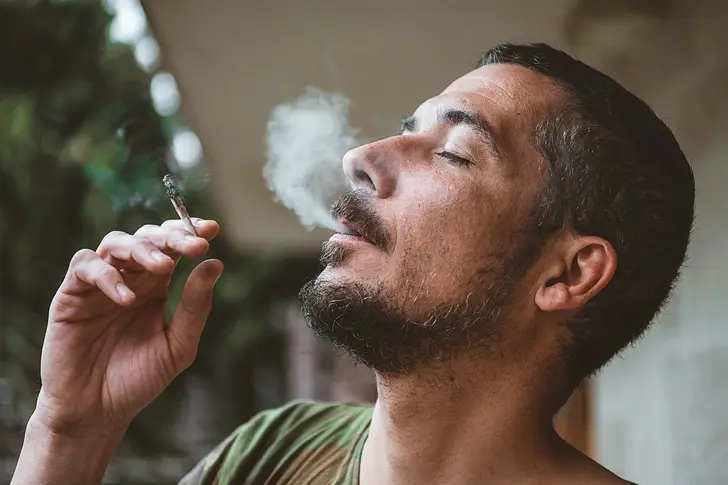
smoking too high

What To Do When You’re Too High

Step 1: Stop Consuming Immediately

This sounds obvious, but it’s worth stating clearly: put down whatever you’re using and don’t take more. Whether you’re smoking, vaping, or in the middle of an edible experience, stopping intake immediately gives your body a chance to reach its peak and begin coming down rather than continuing to climb. You can always consume more another time. Digging the hole deeper makes the recovery longer and harder.

Step 2: Change Your Environment

Anxiety and overwhelm feed on stimulation. Loud music, crowded rooms, bright lights, and unfamiliar spaces all amplify what’s already uncomfortable. Remove yourself from anything that feels like too much and find somewhere quiet, dim, and familiar. Your own couch, a calm room, or outside in fresh air are all good options depending on where you are. The goal is to reduce sensory input so your nervous system has less to process while the THC works through your system.

If you’re with people, lean on someone you trust rather than managing it alone. You don’t need to explain much — just let them know you need a quiet moment and some company.

Step 3: Breathe Slowly and Deliberately

Slow, controlled breathing is one of the most reliable tools for reducing acute anxiety, whether it’s cannabis-related or not. The mechanics are simple: inhale slowly through your nose for four counts, hold briefly, exhale through your mouth for four counts. Repeat. The deliberateness of it gives your mind something concrete to anchor to and activates your parasympathetic nervous system, which works against the anxiety response.

Don’t try to distract yourself with anything mentally demanding. A familiar, low-stakes show, a comfortable playlist, or a simple repetitive activity is the right level of engagement for this moment.

Step 4: Drink Water and Eat Something Light

Dehydration makes everything worse, and dry mouth is one of the most common side effects of cannabis. Cold water is your best option. Avoid alcohol entirely — it amplifies and extends the high rather than tempering it. Caffeine can increase anxiety and is worth skipping too.

A light snack helps in a couple of ways. Eating grounds you physically in a familiar, comforting activity, and food in your stomach can slow further absorption of any cannabis still being processed through your digestive system. Nothing heavy or complicated — whatever feels comfortable and accessible.

Step 5: Try Lemons, Black Pepper, or Pine Nuts

This sounds like folk advice, but there’s some reasonable science behind it. Lemons and lemon juice contain the terpene limonene, which has been associated with reducing anxiety and counteracting some of the more uncomfortable effects of a strong THC experience. Black pepper contains beta-caryophyllene, a terpene that also interacts with the endocannabinoid system and has been linked to improved clarity and reduced stress. Pine nuts contain both limonene and pinene, a terpene associated with alertness and mental clarity.

None of these are a cure, and the effect varies by person. But they’re low-risk, widely available, and worth trying if you have them on hand.

Step 6: Rest or Sleep If You Can

Time is what resolves a cannabis high. If you can sleep through the more intense part of it, that’s genuinely the most efficient path. Even the process of lying down in a quiet, dark space — closing your eyes, slowing your breathing, letting your body settle — can reduce anxiety and make the waiting more manageable. For inhaled cannabis, effects from smoking or vaping typically ease off within one to three hours. Edibles last significantly longer, often four to eight hours, and in some cases the effects can be felt at a lower level even longer than that. Knowing the timeline going in helps you wait it out with more patience.

Understanding Tolerance and Why It Matters

If you’ve ever watched someone handle a cannabis product comfortably while the same thing sends you searching for help, the explanation is almost always tolerance. Regular cannabis consumers develop a higher threshold through ongoing exposure — their endocannabinoid receptors adapt over time, requiring more THC to produce the same effect that a smaller amount delivers to a newer or occasional user.

Tolerance isn’t fixed. Time away from cannabis, changes in body weight, health shifts, and stress can all alter how you respond to an amount you’ve used comfortably before. This is why starting at the lowest available dose and waiting before taking more is sound advice even for experienced consumers returning after a break.

For edibles specifically, the delayed onset is where most overconsumption happens. Taking an edible, not feeling anything at the 45-minute mark, and deciding to take more before the first dose has finished building is the single most common cause of a difficult experience. Canada’s legal edibles market caps THC at 10mg per package for a reason. If you’re newer to edibles or returning after time away, starting at 2.5mg to 5mg and giving it a genuine two-hour wait before reassessing is the most reliable path to a comfortable experience. The Purple Leaf’s edibles selection is clearly labelled with THC content per serving so you can make an informed choice before you buy.

What Doesn’t Actually Help

Holding smoke in longer. This doesn’t increase THC absorption and adds irritant contact time to your airways. It’s counterproductive.

Taking a cold shower. This is widely suggested but unlikely to meaningfully affect your high. It can provide a brief grounding sensation, which some people find helpful in the moment, but it doesn’t shorten the duration or reduce intensity in any significant way.

Drinking coffee or energy drinks. Caffeine increases heart rate and can amplify the anxiety component of being too high. Avoid it.

More cannabis to “balance out.” This one gets suggested occasionally — the idea that CBD can counteract THC. There is some evidence that CBD modulates the more anxious aspects of a THC experience, but adding more cannabis to an already overwhelming situation is generally not the right call unless you have a very specifically formulated, high-CBD, low-THC product on hand and a clear sense of what you’re doing.

Frequently Asked Questions

How long does a cannabis high last?

For smoked or vaped cannabis, effects typically ease off within one to three hours. Edibles last considerably longer, most commonly four to eight hours, with residual effects occasionally carrying into the following morning at higher doses. The intensity peaks and then gradually tapers — knowing this helps you wait it out with more patience.

How do I know if I’m too high?

If the experience has become unenjoyable, uncomfortable, or anxiety-inducing to the point where you want it to stop, that’s your answer. Common markers include heightened anxiety or paranoia, nausea, dizziness, a racing heart, or a feeling of being disconnected from your surroundings. These effects are temporary.

Does CBD help when you’re too high?

It can, in some cases. CBD interacts with the endocannabinoid system in ways that may moderate some of the more anxious effects of a strong THC experience. If you have access to a high-CBD, low-THC product, it’s worth trying. The effect isn’t guaranteed and varies by person, but it’s a reasonable option to have available.

How much THC is too much?

This depends entirely on the individual. Tolerance, body composition, recent food intake, hydration, and even stress levels all affect how you respond to a given dose. The most reliable approach is starting low and taking your time between doses — particularly with edibles, where the delayed onset makes it easy to misjudge. The Purple Leaf’s team can help you find lower-dose options if you’re looking for a gentler starting point.

What if I’m with someone who is too high?

Stay calm and provide reassurance. Remind them that what they’re feeling is temporary and will pass. Move them to a quiet, comfortable space away from anything overstimulating. Offer water and a light snack. Don’t leave them alone if they’re distressed. You don’t need to call for help unless they are experiencing a genuine medical emergency — chest pain, loss of consciousness, or symptoms that go beyond what cannabis typically produces.

How To Avoid Getting Too High in the Future

The most effective strategy is also the simplest: start lower than you think you need to, and give it more time than you think you should. This applies to every format, but it matters most with edibles. The regulated labelling on legal cannabis products sold through licensed retailers like The Purple Leaf gives you clear, verified potency information before you consume — use it. Check the Total THC per serving, note the packaged-on date, and start conservatively until you have a reliable sense of how your body responds to a given product and format.

Keeping a simple log of what you tried, how much, and how it felt is a surprisingly useful habit. Over time that reference becomes your most reliable guide to where your personal comfortable range actually sits.

The Bottom Line

Being too high is temporary, manageable, and survivable. Stop consuming, find somewhere quiet and comfortable, drink water, breathe slowly, and give it time. The experience will pass. If you want guidance on lower-dose options or products better suited to your tolerance level, visit The Purple Leaf and ask the team for help finding the right fit.

This article is for informational purposes only and does not constitute medical advice. If you are experiencing a medical emergency, please contact emergency services immediately.

0
    0
    Your Cart
    Your cart is empty
    Scroll to Top
    Call Now Button