

Quick answer: Canada banned cannabis in 1923, long before most people here had tried it. A federal commission recommended removing criminal penalties for possession in 1972, but the law didn’t change. Court cases won legal access for medical patients starting in 2001, and on October 17, 2018, Canada became the second country in the world, and the first G7 country, to legalize recreational cannabis nationally. Today the culture has moved from basements and protests to licensed stores, plain packaging and products like edibles and drinks.
For most of the last century, cannabis culture in Canada existed in the margins: in dorm rooms, backyard grows, protests and court cases. Today you can walk into a licensed store, read the THC content on a label and order delivery to your door. Here’s how Canadian cannabis culture got from there to here, the moments that shaped it, and what’s changed since legalization.
Timeline: Key Moments in Canadian Cannabis History
| Year | What happened |
|---|---|
| 1923 | Cannabis is added to Canada’s list of banned drugs, with almost no public debate. |
| 1969–1972 | The Le Dain Commission studies non-medical drug use and recommends removing criminal penalties for cannabis possession. The government doesn’t act on it. |
| 1980s–1990s | B.C. becomes known worldwide for “BC Bud”; compassion clubs open to serve medical patients. |
| 2001 | After court rulings, the first federal medical cannabis rules take effect. |
| 2013–2016 | Medical rules are rebuilt around licensed commercial producers, then expanded after another court challenge to let patients grow their own again. |
| October 17, 2018 | The Cannabis Act takes effect: recreational cannabis is legal nationwide for adults. |
| April 1, 2019 | Ontario’s first private cannabis stores open. |
| October 17, 2019 | Edibles, drinks, extracts and topicals become legal, reaching shelves later that year. |
| 2019 | No-fee, no-wait pardons become available for past simple-possession convictions. |
| March 2024 | An expert panel’s legislative review of the Cannabis Act is tabled in Parliament. |
Then: A Century of Prohibition
The 1923 ban
Canada was one of the first countries to outlaw cannabis, adding it to the banned-drug list in 1923. Very few Canadians had used it at the time, and there was barely any discussion in Parliament. Emily Murphy’s 1922 book The Black Candle is often blamed, but historians now point mainly to Canada’s international drug-treaty commitments. (We cover The Black Candle and the historians who’ve studied this era in our list of cannabis books worth reading in Canada.)
The 1960s and the Le Dain Commission
Cannabis use spread quickly among young Canadians in the 1960s, and arrests climbed with it. In 1969, Ottawa set up a commission led by Gerald Le Dain to study non-medical drug use. Its 1972 report recommended removing criminal penalties for simple possession of cannabis. The government didn’t follow through, and possession stayed a criminal offence for decades, giving many Canadians criminal records.
BC Bud and the underground
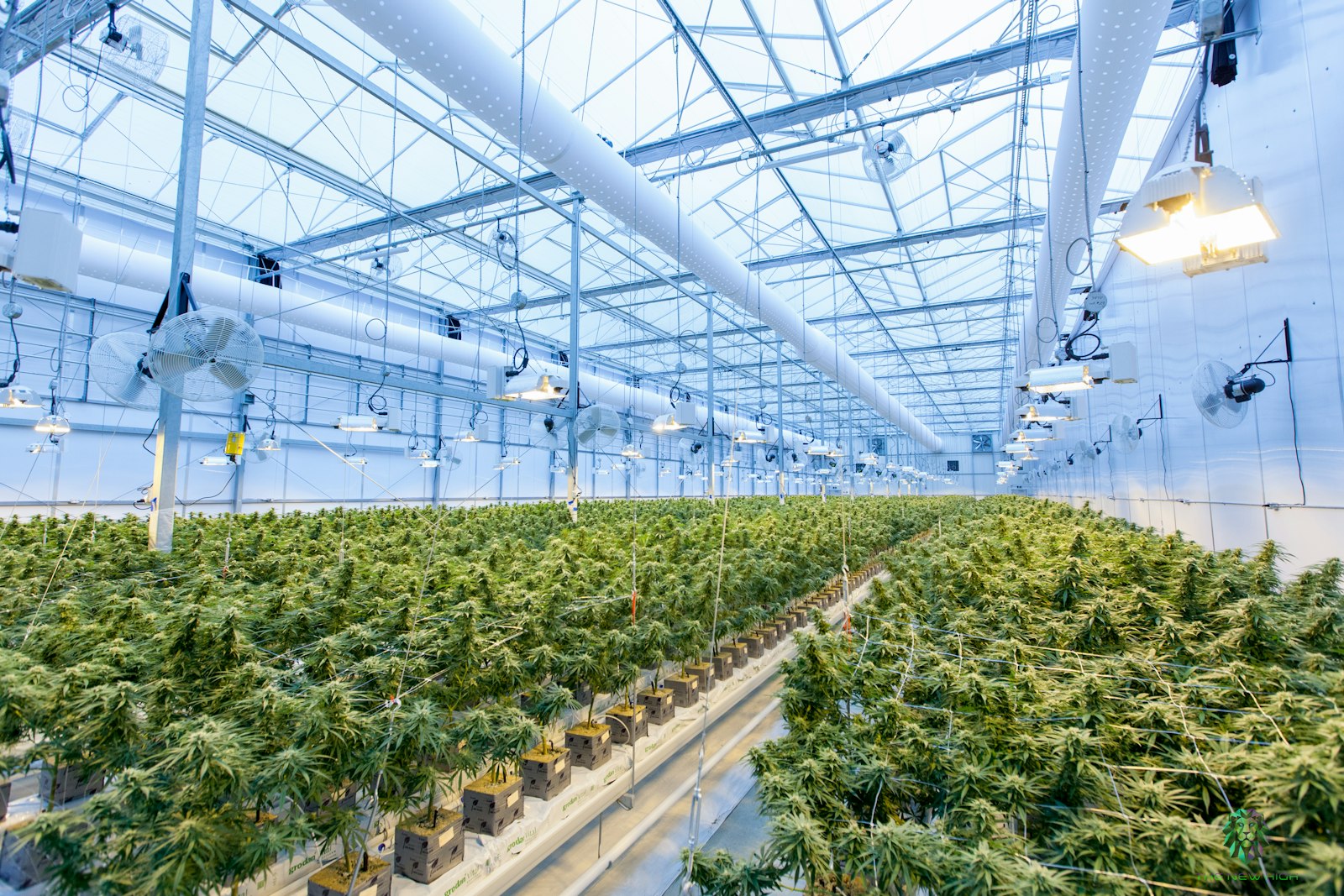
Through the 1980s and 1990s, British Columbia, especially Vancouver Island and the Kootenays, built a worldwide reputation for high-quality indoor and outdoor cannabis known simply as “BC Bud.” Growers developed and traded genetics, and a lot of the expertise behind today’s legal products came out of that era. Strains like Kush varieties became fixtures of the scene; see what Kush is for the background.
Activism, 4/20 and the courts
Activists kept the issue public. Vancouver’s 4/20 gathering, held for years outside the Vancouver Art Gallery, became one of the best-known in the world, and cities across the country held their own marches. Compassion clubs quietly supplied patients with serious illnesses. Meanwhile, patients took the federal government to court, arguing that banning medical access violated their Charter rights. Those cases led to Canada’s first federal medical cannabis rules in 2001, and later rulings reshaped the system again, including restoring patients’ ability to grow their own in 2016.
The Turning Point: October 17, 2018
Legalization became a mainstream political promise in the 2015 federal election, and the Cannabis Act took effect on October 17, 2018. Canada became the second country to legalize recreational cannabis nationally, after Uruguay, and the first in the G7. The goals were to keep cannabis away from young people, take profits away from the illegal market and protect public health with regulated, tested products.
In Ontario, legal sales started online through the Ontario Cannabis Store on day one, and the first private stores opened on April 1, 2019. A year after legalization, on October 17, 2019, edibles, drinks, extracts and topicals became legal too, which is why today’s shelves look so different from 2018’s dried-flower-only launch. Since 2019, people with past convictions for simple possession have been able to apply for a pardon with no fee and no waiting period.

Now: What Cannabis Culture Looks Like Today
From street deals to store shelves
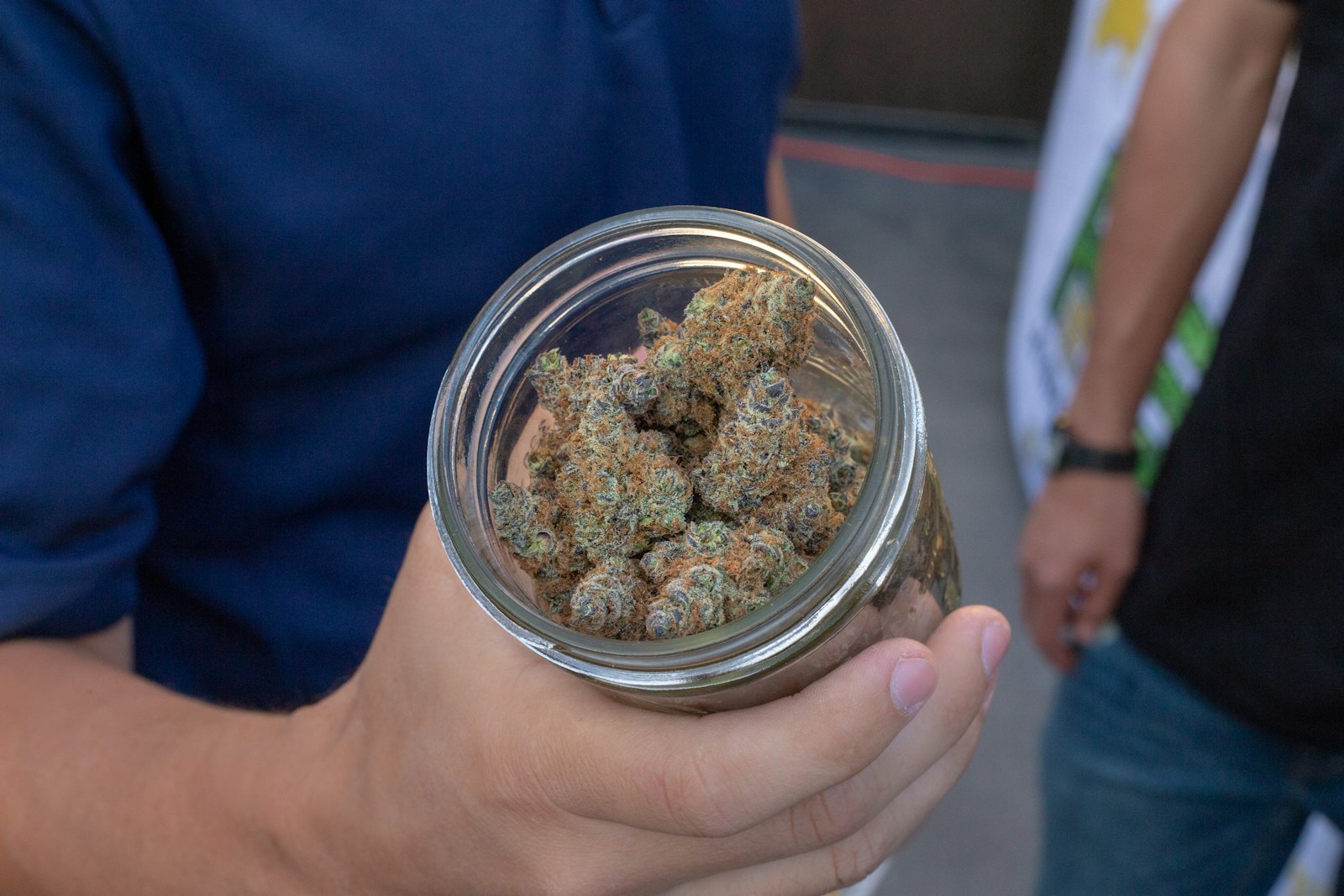
Buying cannabis has gone from a phone call and a parking lot to licensed stores and online delivery. Legal products come in plain, child-resistant packaging with mandatory THC and CBD content, lot numbers and health warnings. (Here’s how to read a cannabis label, and why legal cannabis is safer than buying off the street.)
Far more ways to consume
Joints and hash are still here (see how hash is made), but they share the shelf with pre-rolls, vapes, gummies, chocolates, drinks and topicals. Our guide to gummies, chocolates and baked goods walks through the edible side.
Different rules in every province
The Cannabis Act set federal rules, but each province decides how cannabis is sold and the minimum age. Ontario uses private stores supplied by the Ontario Cannabis Store, Quebec sells through a government monopoly, and other provinces use private or mixed models. The legal age is 19 in most of Canada, including Ontario, 18 in Alberta and 21 in Quebec. For local details, see the legal age to buy cannabis in Ontario and what makes Canada’s cannabis market unique.
A culture worth documenting
With legalization has come a wave of serious writing about Canadian cannabis, from the history of prohibition to the business boom and bust after 2018. The industry has become a real career path too; see how to get a job in the cannabis industry.
What hasn’t changed
Some things are the same as ever. Cannabis is still for adults only, driving while impaired is still illegal, and crossing the border with cannabis is still against the law, even between two places where it’s legal. (More in our guide to travelling with weed.) And for many people, the culture is still about the same things it always was: sharing a session with friends, appreciating good flower and the ritual around it.
Want to go further back? Read about the surprising origin of cannabis. Or explore today’s market: browse flower, pre-rolls and edibles.
Frequently Asked Questions
When did cannabis become illegal in Canada?
In 1923, when it was added to Canada’s list of banned drugs, with almost no public debate.
When did cannabis become legal in Canada?
Recreational cannabis became legal nationwide on October 17, 2018, when the Cannabis Act took effect. Medical access had been legal since 2001.
Was Canada the first country to legalize cannabis?
No. Uruguay was first, in 2013. Canada was the second country to legalize recreational cannabis nationally, and the first G7 country.
What is BC Bud?
“BC Bud” is the nickname for high-quality cannabis grown in British Columbia, which became famous around the world in the 1980s and 1990s.
Can I get a pardon for an old cannabis possession charge?
Yes. Since 2019, people convicted only of simple possession of cannabis can apply to the Parole Board of Canada for a record suspension with no application fee and no waiting period.
Weekday orders (Monday to Friday) placed before noon (12:00 PM EST) are delivered the same day; see our London, Ontario delivery page for details. Cannabis is for adults 19+ in Ontario.
Buy weed online in Canada · Same-day weed delivery in London, Ontario on weekday orders placed before noon (12:00 PM EST).