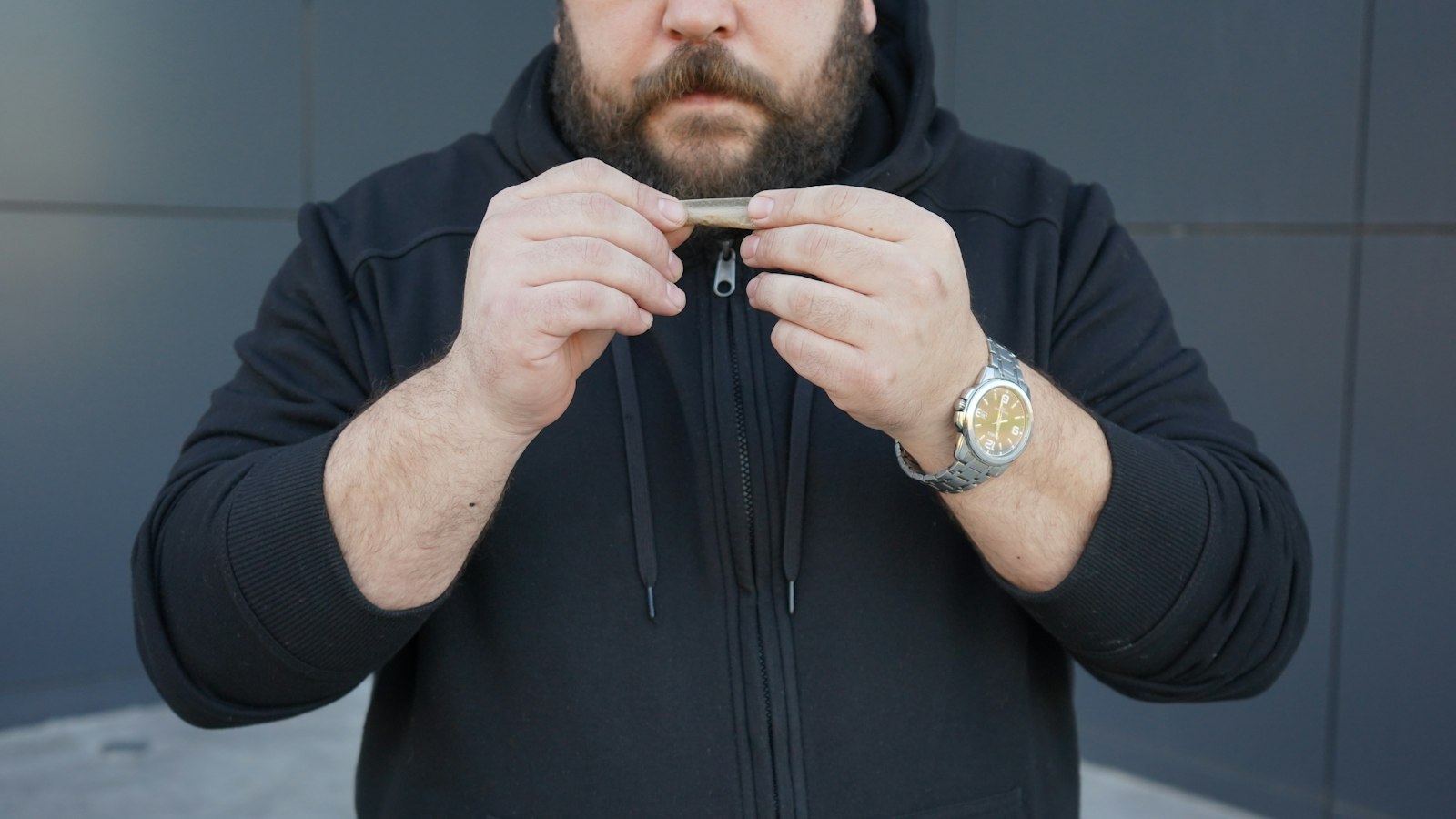


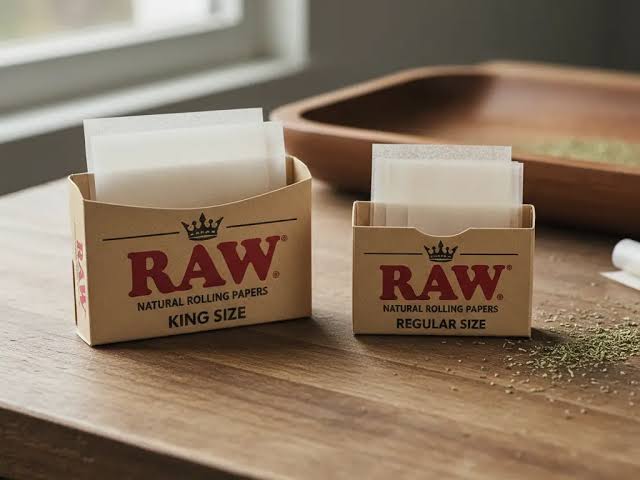
Standing in front of a wall of rolling papers can genuinely feel overwhelming — especially if you’ve never thought much about the difference between them. Wood pulp, rice, hemp, King Size, 1¼, King Slim — the options multiply quickly and most packaging gives you very little context for making a meaningful choice.
This guide covers everything you actually need to know: what each material does, how sizes work, and a practical framework for choosing the right paper for every occasion. By the end, you’ll know exactly what to reach for and why.
Rolling Paper Materials — What Each One Does
The material is the most important variable in how a rolling paper burns, tastes, and handles. Most buyers settle into one material once they find what suits them — so this is worth understanding properly from the beginning.
Wood Pulp — The Classic Starting Point
Wood pulp papers are made from tree cellulose fibres and have been the standard in rolling papers for generations. They’re the most widely available option and the easiest to work with — the texture and slight thickness give your hands something to grip, making them significantly more forgiving for newer rollers who are still developing their technique.
Wood pulp burns at a medium pace — not the slowest available, but reliably even. The main trade-off is flavour: wood pulp papers produce a mild but noticeable papery taste that more experienced users often want to move away from as their palate develops. Available in both bleached (white) and unbleached (natural brown) versions.
Best for: New rollers. Anyone who finds thinner papers frustrating to handle. Sessions where the rolling process itself is more important than squeezing every nuance of flavour from premium flower.
Hemp — The Most Versatile Option
Hemp rolling papers are made from industrial hemp fibres and have become the most popular choice among regular cannabis consumers in Canada. They offer a genuinely useful middle ground between the handleability of wood pulp and the flavour neutrality of rice — performing well enough at both to suit most situations.
Hemp papers burn more slowly and evenly than wood pulp, producing a longer session from the same amount of flower. They’re thinner than wood pulp but still have enough texture to roll confidently once you’ve developed basic technique. The flavour contribution is minimal — a subtle earthiness that most users find completely acceptable and many actively enjoy.
Most hemp papers are unbleached and natural brown in colour, reflecting the growing preference among cannabis consumers for less-processed products.
Best for: Regular rollers at any experience level. Anyone who wants a better flavour experience than wood pulp without the difficulty of ultra-thin rice papers. The most practical everyday choice for most users.
Browse our papers and trays section at The Purple Leaf for currently available hemp and other paper options.
Rice — For Flavour Purists
Rice papers are the thinnest and most flavour-neutral rolling papers available. Manufactured from processed rice, they add virtually nothing to the smoking experience beyond the structure they provide — no papery taste, no competing flavour. If you’re paying for premium flower and want to taste exactly what’s in the jar, rice paper is the answer.
The trade-off is handleability. Rice papers’ ultra-smooth, ultra-thin surface offers very little grip and tears more easily than wood pulp or hemp. They also tend to go out more readily if you’re not drawing regularly — a characteristic that can be frustrating in social settings or on windy days. Rolling well with rice paper takes practice.
They also burn the most slowly of any standard paper material, which makes them popular for users who want maximum session duration from a given amount of flower.
Best for: Experienced rollers who prioritise flavour above everything else. Solo sessions where slow, deliberate smoking is the goal. Users consuming premium flower who want the paper to stay completely out of the way.
Other Materials Worth Knowing
Flax papers are thin, slow-burning, and flavour-neutral — similar in character to rice papers but sometimes slightly more workable. Often used in blends with other fibres to improve handling characteristics while maintaining a clean burn.
Cellulose papers are the transparent, see-through papers made from plant cellulose film rather than paper at all. They produce a slow, clean burn and are distinctive enough to be worth trying once — the visual novelty aside, they perform consistently well. A genuinely different experience from any paper-based alternative.

Rolling Paper Sizes — A Complete Reference
Paper size determines how much cannabis fits in each roll and who the session is practically suited to. Sizes are standardised across the industry, so you always know what you’re getting regardless of brand.
Single Wide (~70mm x 36mm)
The smallest standard format — historically common but increasingly rare in modern cannabis culture. Suitable for a very small, solo session with minimal flower. The tight format can make rolling challenging without significant experience.
1¼ (~78mm x 48mm)
The most popular size in the legal Canadian cannabis market and globally. Holds approximately 25% more material than a single wide while remaining compact and manageable. Ideal for personal use or two people sharing comfortably. The size most cannabis accessories are optimised around — rolling machines, cones, and filter tips are all most commonly sized to the 1¼ format.
If you’re buying your first rolling papers and aren’t sure which size to start with, 1¼ is the answer.
1½ (~78mm x 60mm)
Same length as a 1¼ but meaningfully wider — allowing a thicker, heavier roll from the same length of paper. Useful when you want more material per joint without moving to a longer format. Less common than 1¼ but worth knowing about for users who prefer a denser roll.
Double Wide (~78mm x 75mm)
Uncommon today. Offers double the width of a single wide, producing a very thick roll that many users find unwieldy. Not a practical everyday choice for most consumers.
King Size (~110mm x 53mm)
The standard format for group sharing. The longer format holds enough material to be passed around comfortably between three or more people through an entire session. Available everywhere and one of the most widely used formats globally among regular cannabis consumers.
If you’re rolling for a group, King Size is the default choice.
King Slim (~110mm x 44mm)
The same length as a standard King Size but noticeably narrower — producing a slender, elegant roll that burns more slowly and precisely than a full King Size. Popular among experienced rollers who want the session length of King Size with a more refined result. The King Slim is where technique shows most clearly — a well-rolled King Slim is a genuinely satisfying format.
Bleached vs Unbleached — Does It Matter?
This is a question that comes up regularly, and the honest answer is that it matters less than most people think.
Bleached papers are treated with whitening agents — typically calcium carbonate — to produce a clean, white appearance. Unbleached papers skip the whitening process and retain their natural light brown colour.
There is no meaningful difference in burn rate, structural integrity, or flavour between bleached and unbleached papers of the same material. The choice is entirely aesthetic — and the trend in the legal Canadian cannabis market has moved strongly toward unbleached options among regular consumers who prefer less-processed products.
The Gum Strip — What It Is and Why It Matters
The thin, shiny strip along one edge of every rolling paper is the gum strip — the moisture-activated adhesive that seals your roll when licked and pressed together.
The industry standard adhesive is acacia gum (also called gum arabic) — a natural, edible gum harvested from acacia trees. It’s tasteless, colourless, and entirely benign. You’ll find acacia gum in everything from soft drinks to pharmaceutical coatings.
A quality gum strip should seal cleanly with a single application of moisture without re-rolling, bubbling, or lifting. If the gum on your papers is leaving residue or not sealing properly, the papers are either old or from a poor-quality manufacturer — either way, worth replacing.
Filter Tips and Crutches — Worth Using
A filter tip — also called a crutch — is the small cylindrical insert at the mouthpiece end of a joint. It’s typically made from rolled card stock or a pre-formed filter material, and while it’s not technically part of the rolling paper, it’s an essential companion for most experienced rollers.
Why they matter: A filter tip keeps the mouthpiece end of the joint open and structurally stable throughout the session. Without one, the paper at the mouthpiece end tends to twist closed, get soggy, or collapse — reducing airflow and making the joint progressively harder to draw. The tip also prevents loose ground flower from being drawn into your mouth during a hit.
Most rolling paper multi-packs include filter tips alongside the papers. If yours don’t, they’re available separately and worth adding to any rolling setup.

Choosing the Right Paper — A Quick Decision Guide
You’re new to rolling: Wood pulp, 1¼ size. The texture and thickness are most forgiving while you develop your technique. Start here and migrate as your skills develop.
You want the best flavour: Rice paper, 1¼ or King Slim depending on session size. Virtually tasteless — the paper stays completely out of the way of your flower’s terpene profile.
You want a slow, long-burning session: Rice or hemp, in your preferred size. Both burn more slowly than wood pulp and produce a more sustained session from the same amount of material.
You’re rolling for a group: King Size hemp or wood pulp. Hemp’s slow burn is particularly useful in a social setting where the joint is being passed rather than smoked continuously. King Slim if your group is smaller or you prefer a more precise roll.
You want the most practical everyday option: Hemp, 1¼ or King Size depending on session. Good flavour, slow burn, manageable to roll — the most versatile choice for the widest range of situations.
Pairing Your Papers With the Right Flower
The best rolling paper in the world only delivers what the flower inside it has to offer. A rice paper that perfectly preserves terpene expression is wasted on improperly cured, flavourless flower — and outstanding fresh-cured flower can be diminished by a harsh, fast-burning paper.
Browse our full flower menu at The Purple Leaf — including indica, sativa, and hybrid strains across quality grades — for the best possible starting material for every roll. Our budget ounce program starting at $20 is the most economical way to stock up on flower for regular rolling.
For users who want the rolling paper experience without the rolling: our pre-rolls and Moon Rockets are ready to go straight from the package.
Frequently Asked Questions
What is the best rolling paper for cannabis?
It depends on your priorities. Hemp papers in 1¼ or King Size are the most practical all-round choice for most regular cannabis consumers — slow burn, minimal flavour interference, manageable to roll. Rice papers are the best choice for flavour purity. Wood pulp is best for beginners. Browse our papers and trays section at The Purple Leaf.
What size rolling paper should I use?
1¼ for personal use (one to two people). King Size for groups of three or more. King Slim for a longer session with a slender, elegant roll. Single wide for very small personal sessions.
What is the difference between bleached and unbleached rolling papers?
Aesthetics only. Bleached papers are white; unbleached papers are natural brown. No meaningful difference in burn rate, flavour, or strength between the two at the same material quality.
What rolling papers burn the slowest?
Rice papers burn the slowest, followed closely by hemp. Both are significantly slower than wood pulp, making either a better choice for users who want to maximise session length.
What is a filter tip and do I need one?
A filter tip (or crutch) is a small cylindrical insert at the mouthpiece end of a joint that keeps the end open, prevents soggy tips, and stops loose flower from entering your mouth. Not strictly required, but it meaningfully improves the rolling and smoking experience. Worth using consistently once you try it.
Where can I buy rolling papers and accessories in London, Ontario?
The Purple Leaf carries rolling papers, trays, grinders, lighters, and a full range of cannabis flower for rolling — available for local London, Ontario delivery and Canada Post shipping Canada-wide. Browse our papers and trays section at thepurple-leaf.com or call 519-777-9498 Monday to Friday, 9 AM to 8 PM EST.
Shop Rolling Papers and Flower at The Purple Leaf
Whether you’re stocking up on papers for regular rolling or pairing them with fresh flower for your next session, The Purple Leaf has everything in one place.
Same-day weed delivery in London, Ontario on weekday orders placed before noon (12:00 PM EST).