

Quick answer: Not by much. Genetics, harvest timing, drying, curing and storage matter far more to potency than whether a plant grew indoors or outdoors. Indoor flower often tests a little higher in THC and usually looks frostier and denser, because growers control every variable. Outdoor flower can match it, and in at least one study of identical plants, sun-grown flower had more terpenes and fewer degraded cannabinoids. In Canada, the Total THC on the label tells you more about strength than the growing method does.
“Indoor” has become shorthand for premium in a lot of cannabis conversations, and “outdoor” for budget. There’s some truth to that, but it’s more about consistency, looks and cost than raw strength. Here’s what actually changes between indoor, outdoor and greenhouse cannabis, what the research says, and what to look at when you’re choosing flower.
Indoor vs Outdoor vs Greenhouse at a Glance
| Indoor | Greenhouse | Outdoor | |
|---|---|---|---|
| Light | Artificial grow lights | Sunlight, often with extra lights | Sunlight only |
| Control | Full control of light, heat, humidity and pests | Partial control | Least control; weather and pests are risks |
| Typical look | Dense, frosty, very uniform buds | In between | Often larger, looser, darker buds |
| THC | Often slightly higher and very consistent | Close to indoor in many cases | Can be similar; more variable batch to batch |
| Terpenes and flavour | Depends heavily on the grower and lighting | Varies | Can be richer and more complex |
| Cost to produce | Highest | Middle | Lowest |
| Energy use | Highest by far | Middle | Lowest |
What Actually Makes Cannabis Strong?
Growing location is just one factor, and not the biggest one. Potency mostly comes down to:
- Genetics. A plant’s strain sets the ceiling for how much THC it can produce. No growing method can push a low-THC strain into the high-THC range.
- Grower skill. Feeding, light, temperature and pest management decide how close a plant gets to its potential.
- Harvest timing. Picking too early or too late changes the cannabinoid and terpene profile.
- Drying, curing and storage. Heat, light, air and time break down THC and evaporate terpenes. A great indoor plant that’s poorly cured or stored badly can end up weaker than a well-handled outdoor one. (See the humidity that keeps flower fresh.)
Indoor’s real advantage is control. With the same light, temperature and humidity every day, indoor growers can hit a strain’s potential more reliably and produce very consistent batches. Outdoor growers depend on the weather, so results vary more from season to season.
What the Research Says
There isn’t much head-to-head research, but one 2023 study in the journal Molecules (Zandkarimi et al.) compared genetically identical plants of two cultivars, grown either indoors under lights or outdoors in sunlight and soil. The researchers found:
- THCA was slightly lower in the outdoor plants, especially in one of the two cultivars.
- Outdoor plants had more terpenes, including limonene, myrcene and caryophyllene, and a more diverse terpene profile overall.
- Indoor plants had more oxidized and degraded cannabinoids, such as CBN, which forms as THC breaks down.
It’s a small study (two cultivars from one source), and some of its authors work for companies that sell sun-grown cannabis, so treat it as a useful data point rather than the final word. It does support what many growers say: indoor tends to win slightly on THC, while sunlight can bring out more aroma and flavour.

Does Indoor Weed Taste or Smell Better?
Not necessarily. Terpenes, the aroma compounds that shape flavour, are influenced by genetics, light and growing conditions. Full sunlight includes UV and a wider spectrum than most grow lights, which may be one reason sun-grown flower can show richer terpene profiles. Skilled indoor growers can produce very aromatic flower too, but frost alone doesn’t guarantee flavour: a bud can be covered in trichomes and still smell flat if it was dried too fast or stored too long. For more, see what gives cannabis its smell and taste and why weed smells like skunk.
Why Indoor Looks Better (and Costs More)
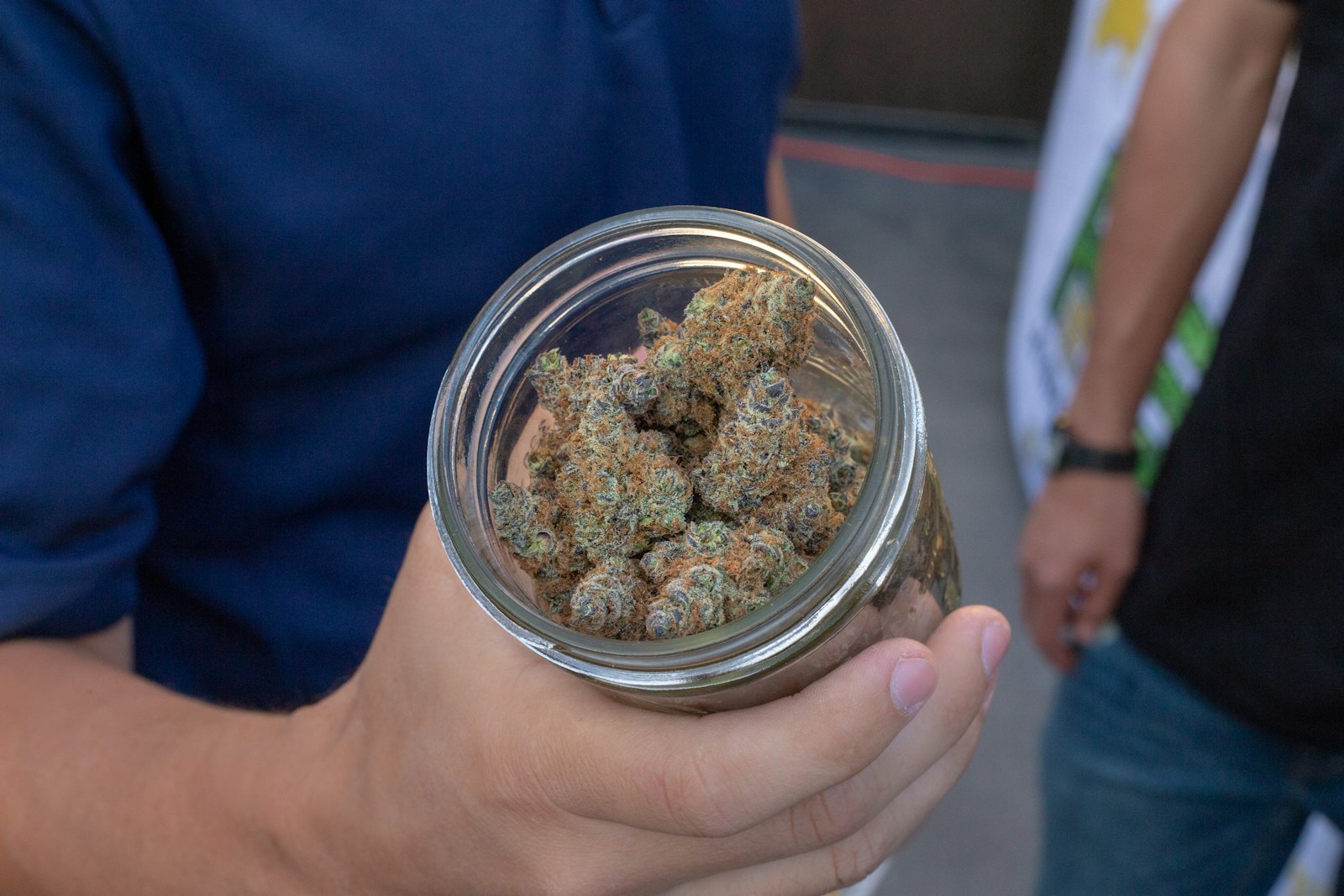
Indoor buds are usually denser, more uniform and visibly frostier, because they’re protected from wind, rain and temperature swings. Outdoor buds are often bigger, airier and darker, and may have more weather wear. Looks matter on a shelf, but they aren’t the same as potency or flavour.
The price gap comes mostly from production costs: lights, air conditioning, dehumidifiers and electricity add up. Outdoor growers use free sunlight, so their flower generally costs less per gram. Our guide to why some cannabis is more expensive than others breaks down the other factors.
The Environmental Trade-Off
Indoor cannabis uses a lot of energy. A 2021 Colorado State University study published in Nature Sustainability estimated that indoor cannabis grown in the U.S. produces between about 2,300 and 5,200 kg of greenhouse gas emissions per kilogram of dried flower, depending on location. Outdoor and greenhouse growing use far less, because the sun does most of the work. The numbers are lower where electricity is cleaner, as it is in much of Canada, but sun-grown and greenhouse flower is still the lower-impact choice.
Greenhouse: The Middle Ground
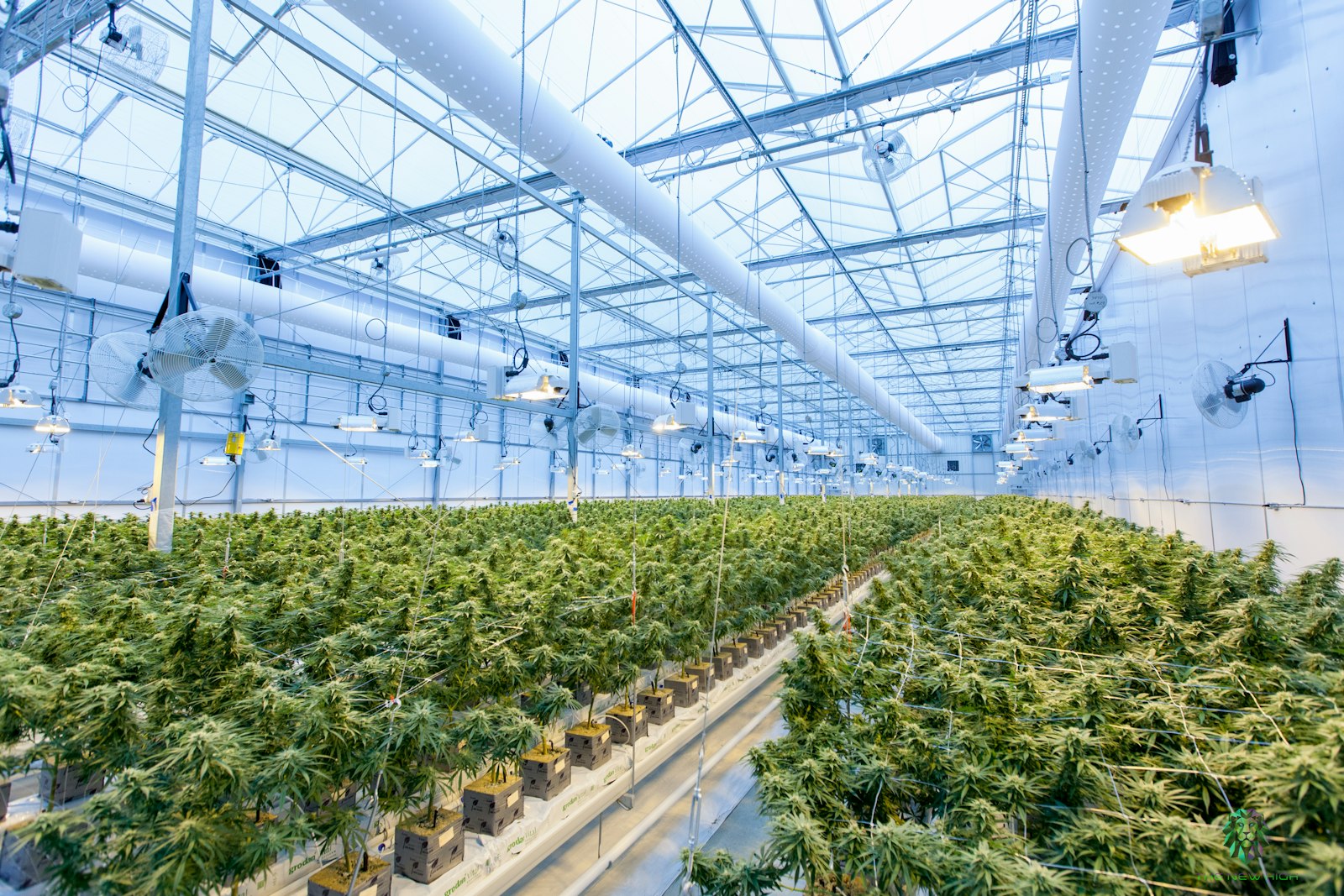
Greenhouses combine sunlight with protection from weather and pests, and many add lights and climate control. They can produce flower that’s close to indoor in consistency and potency, at lower cost and energy use.
How to Choose Flower
- For strength: check the Total THC on the label. In Canada it already accounts for the THCA that converts to THC when heated, so you don’t need to do the math. Our guide to what THC percentage really means explains why a higher number isn’t always a better experience.
- For freshness: look at the packaging date. Fresher flower keeps more of its aroma.
- For flavour: smell it if you can, and look for a terpene profile if one is listed. Don’t judge by frost alone.
- For value: outdoor and greenhouse flower often give you more for your money, especially for milled flower or rolling.
- For looks and consistency: indoor is usually the safe bet.
Canadian cannabis labels don’t have to say how a product was grown, though some producers add optional notes like “sun-grown” or “hand-trimmed.” Our guide to reading a cannabis label shows what’s required and what’s optional. For more on choosing buds, see our whole flower guide, then browse flower, including indica and sativa, or ready-made pre-rolls.
Frequently Asked Questions
Is indoor weed stronger than outdoor?
Often slightly, but not always. Indoor growers control conditions closely, which helps plants reach their THC potential consistently. Genetics, curing and storage matter more than growing location.
Does outdoor weed get you high?
Yes. Outdoor cannabis contains THC just like indoor cannabis, and well-grown outdoor flower can test close to indoor flower. Check the Total THC on the label.
Why is indoor weed more expensive?
Indoor growing needs lights, climate control and a lot of electricity, which raises production costs. Outdoor growers rely on sunlight, so their flower usually costs less.
Does outdoor weed have more terpenes?
It can. A 2023 study of genetically identical plants found sun-grown flower had higher terpene levels and a more diverse profile than indoor flower, though the study was small.
Is greenhouse weed as good as indoor?
Often, yes. Greenhouses combine sunlight with some control over conditions, and can produce flower close to indoor quality at a lower cost and with less energy.
Weekday orders (Monday to Friday) placed before noon (12:00 PM EST) are delivered the same day; see our London, Ontario delivery page for details. Cannabis is for adults 19+ in Ontario.
Buy weed online in Canada · Same-day weed delivery in London, Ontario on weekday orders placed before noon (12:00 PM EST).